💧 Humidity Needs for Your Hardy Verbena
Verbena rigida
By the Greg Editorial Team
Oct 15, 2024•4 min read
This article was created with the help of AI so we can cover more plants for you. May contain errors. See one? Report it here.
Unlock vibrant blooms 🌸 by mastering humidity control for your hardy verbena—your garden will thank you!
- 🌬️ Hardy verbena thrives at 40-60% humidity for optimal growth and blooms.
- 💧 Low humidity causes wilting; high humidity risks root rot. Balance is key!
- 🌱 Monitor humidity regularly to prevent stress and ensure vibrant, healthy plants.
Ideal Humidity Levels for Hardy Verbena
Optimal Humidity Range 🌬️
For hardy verbena, the sweet spot for relative humidity is between 40-60%. This range supports healthy growth and vibrant blooms.
Impact of Humidity on Growth 🌱
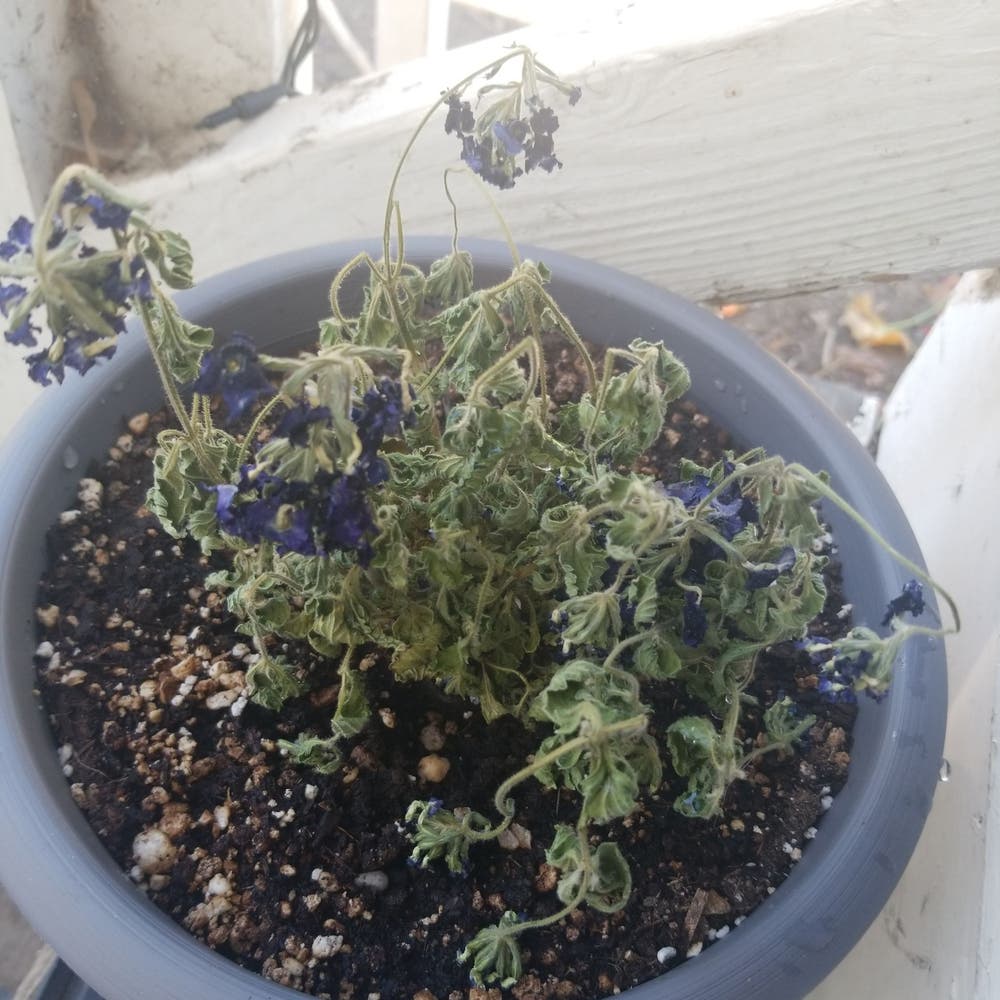
Low humidity can stress your plants, leading to wilting and fewer flowers. Conversely, high humidity poses risks like root rot, especially in soils that don’t drain well.
Understanding these dynamics is crucial for keeping your hardy verbena thriving. By maintaining the right humidity levels, you set the stage for a flourishing garden.
Next, let's explore how to assess your local humidity conditions effectively.
Local Humidity Considerations
🌧️ Assessing Your Local Humidity
Understanding your local humidity is crucial for the health of your hardy verbena. Hygrometers are your best friends here; they provide accurate readings of relative humidity, helping you keep track of the moisture levels in your environment.
Researching local climate patterns can also give you valuable insights. Knowing whether your area tends to be humid or dry can help you anticipate the needs of your plants.
🍂 Seasonal Variations in Humidity
Humidity levels fluctuate with the seasons, and being aware of these changes is essential for effective plant care. For instance, summer may bring higher humidity, while winter often results in drier air.
To adapt your care routine, consider adjusting watering schedules and humidity-boosting strategies based on the season. This proactive approach ensures your hardy verbena thrives year-round.
By staying attuned to local humidity and seasonal shifts, you can create an optimal environment for your plants, setting the stage for vibrant blooms and healthy growth.
Strategies for Managing Humidity
🌧️ Boosting Humidity for Hardy Verbena
Using Humidifiers
To create a thriving environment for your Hardy Verbena, consider using a humidifier. Position it near your plants to effectively increase local humidity and adjust the settings to maintain the ideal range of 40-60%.
Grouping Plants
Another effective strategy is to group your plants together. This creates a microclimate with higher humidity levels, but be sure to leave adequate spacing to prevent mold growth.
Pebble Trays
Pebble trays are a simple yet effective method to boost humidity. Fill trays with pebbles and water, then place your pots on top; this setup increases humidity through evaporation without waterlogging the roots.
🌬️ Reducing Humidity for Hardy Verbena
Air Circulation Techniques
Good air circulation is crucial for preventing mold and mildew. Use fans or ensure proper spacing between plants to promote airflow and keep humidity levels in check.
Choosing the Right Potting Mix
Selecting a well-draining potting mix is essential, especially in high humidity. Look for mixes that include perlite, sand, and organic matter to ensure optimal drainage and prevent root rot.
By implementing these strategies, you can effectively manage humidity levels for your Hardy Verbena, ensuring they thrive in your care. Next, let’s explore common humidity-related issues and how to identify them.
Common Humidity-Related Issues
🌬️ Signs of Low Humidity Stress
Low humidity can be a silent killer for your hardy verbena. Watch for wilting leaves, browning leaf tips, and a noticeable drop in flowering.
To prevent these issues, regularly monitor humidity levels. Adjusting your care routine can make all the difference.
💧 Signs of High Humidity Stress
On the flip side, high humidity can wreak havoc as well. Look out for mold growth, yellowing leaves, and signs of root rot.
To combat these problems, implement strategies to reduce humidity and improve air circulation. A little proactive care goes a long way in keeping your plants healthy.
Understanding these common humidity-related issues is crucial for maintaining vibrant hardy verbena. With the right monitoring and adjustments, you can ensure your plants thrive in any condition.
Quick Tips for Hardy Verbena Care
🌬️ Monitoring Humidity Levels
Regularly checking humidity levels with a hygrometer is essential for maintaining the health of your Hardy Verbena. Aim to keep humidity within the ideal range of 40-60% to ensure vibrant growth and blooming.
📈 Adjusting Humidity Based on Growth Stage
Young Hardy Verbena plants thrive in higher humidity, which helps them establish strong roots. As they mature, they can tolerate slightly lower humidity, but ongoing monitoring remains beneficial for optimal health.
By staying attentive to these humidity needs, you can foster a thriving environment for your Hardy Verbena, ensuring they flourish beautifully. Next, let’s explore common humidity-related issues that may arise.
⚠️ Safety First
This content is for general information and may contain errors, omissions, or outdated details. It is not medical, veterinary advice, or an endorsement of therapeutic claims.
Always consult a qualified healthcare professional before using any plant as food, medicine, or supplement.
Never eat any plant (or feed one to pets) without confirming its identity with at least two trusted sources.
If you suspect poisoning, call Poison Control (800) 222-1222, the Pet Poison Helpline (800) 213-6680, or your local emergency service immediately.
Spotted an error? Please report it here.
Keep your hardy verbena thriving 🌼 by using Greg's humidity monitoring tools and personalized care reminders to maintain that sweet spot of 40-60% humidity for stunning blooms!