✂️ 8 Tips for Pruning Hardy Verbena
Verbena rigida
By the Greg Editorial Team
Oct 15, 2024•4 min read
This article was created with the help of AI so we can cover more plants for you. May contain errors. See one? Report it here.
Unlock vibrant blooms all season by mastering pruning and deadheading for your hardy verbena! 🌱
- 🌱 Prune hardy verbena in early spring for optimal growth before new buds appear.
- 🌼 Regular deadheading every 2-3 weeks boosts blooms and prevents seed formation.
- ❗️ Avoid over-pruning to maintain healthy foliage and vibrant flowers.
Timing for Pruning
When to Prune in Spring 🌱
Early spring is the perfect time to prune your hardy verbena. This is just before new growth begins, ensuring the plant can thrive as the season progresses.
Look for signs like buds swelling on the stems. This indicates that the plant is ready to burst into new life, making it an ideal moment for pruning.
Late-Season Pruning Considerations 🍂
After the first frost or when flowering has diminished, it's time for late-season pruning. This step is crucial for tidying up your plant and preparing it for winter dormancy.
By pruning at this stage, you help the verbena conserve energy and promote healthier growth for the following spring. It’s all about setting the stage for a vibrant comeback!
With proper timing in your pruning routine, your hardy verbena will flourish beautifully throughout the seasons. Next, let’s explore the art of deadheading to keep those blooms coming!
Deadheading
🌸 What is Deadheading?
Deadheading is the practice of removing spent flowers from your plants. This simple act encourages new blooms, keeping your garden vibrant and lively.
🌱 Benefits of Deadheading for Plant Health
Deadheading promotes continuous blooming throughout the growing season. It also prevents seed formation, which can reduce flowering, and encourages healthier, more vigorous growth.
✂️ How to Deadhead Effectively
- Identify spent flowers: Look for wilted or brown blooms that need removal.
- Use pruning shears: Cut just above the first set of healthy leaves to encourage new growth.
- Frequency: Aim to deadhead every 2-3 weeks during peak blooming season for the best results.
Incorporating deadheading into your gardening routine not only enhances the beauty of your plants but also supports their overall health. With these tips, you'll keep your hardy verbena thriving and full of life.
Next, let’s explore some common pruning mistakes to avoid for optimal plant care.
Common Pruning Mistakes
✂️ Over-Pruning and Its Effects
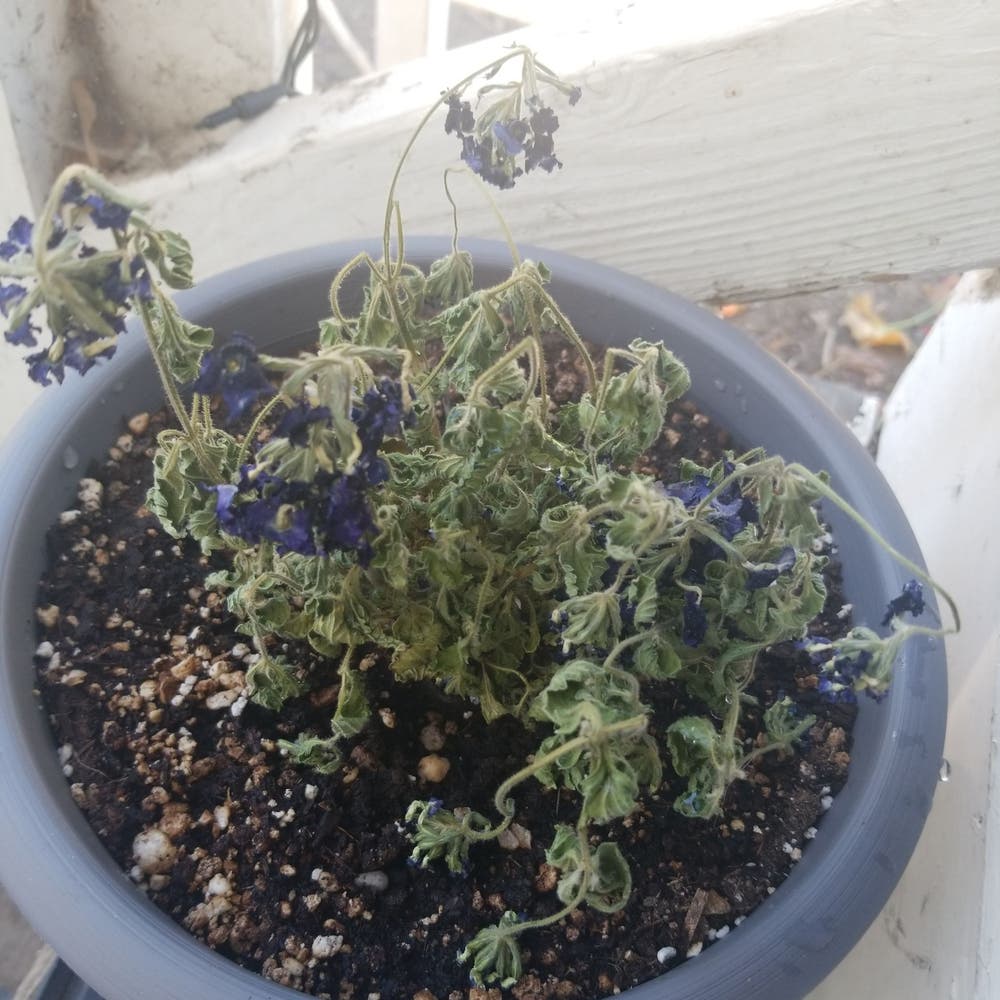
Over-pruning can be a sneaky mistake that weakens your hardy verbena. When you cut too much, you risk reducing its flowering potential, leading to sparse foliage and stunted growth.
Look for signs of over-pruning, such as a lack of leaves or fewer blooms. If your plant seems to be struggling, it might be time to reassess your pruning strategy.
🍂 Ignoring Seasonal Changes
Adapting your pruning techniques to seasonal growth patterns is crucial for maintaining plant health. Ignoring these changes can lead to reduced vigor and fewer flowers.
Timing is everything. Pruning at the wrong time can hinder your plant's ability to thrive, so always keep an eye on the seasonal shifts.
By being mindful of these common mistakes, you can ensure your hardy verbena remains vibrant and healthy. Next, let’s explore how to shape your plants for better blooms.
Pruning for Aesthetic Appeal
🌼 Shaping for Better Blooms
To achieve stunning blooms, consider shaping your hardy verbena through pinching back stems. This technique encourages lateral growth, resulting in a fuller, more vibrant plant.
Timing is key for effective shaping. Aim to pinch back stems in early spring and again in mid-summer for optimal results.
✂️ Encouraging Bushier Growth Through Pruning
Regularly trimming back stems is essential for promoting branching and bushier growth. This method not only enhances the plant's appearance but also increases the number of blooms.
Expect to see fuller plants with a more abundant display of flowers as a result of your pruning efforts. Consistent care will lead to a thriving garden that catches the eye.
With these shaping techniques in mind, you're well on your way to creating a visually stunning display. Next, let’s explore the essential post-pruning care to ensure your verbena continues to flourish.
Post-Pruning Care
🌱 Aftercare for Pruned Plants
After pruning your hardy verbena, proper aftercare is crucial for its recovery and growth. Start with watering; ensure the soil remains consistently moist but avoid waterlogging, which can lead to root rot.
Next, consider fertilization. A light feeding with a balanced fertilizer can give your plants the nutrients they need to bounce back and thrive after pruning.
👀 Signs of Healthy Regrowth
Keep an eye out for indicators of healthy regrowth. New leaf growth and robust flowering are excellent signs that your verbena is on the right track.
Additionally, regular monitoring is essential. Check for pests or diseases post-pruning to ensure your plants remain healthy and vibrant throughout the growing season.
With the right care, your verbena will flourish, setting the stage for a stunning display of blooms. Now, let’s explore common pruning mistakes to avoid for the best results.
⚠️ Safety First
This content is for general information and may contain errors, omissions, or outdated details. It is not medical, veterinary advice, or an endorsement of therapeutic claims.
Always consult a qualified healthcare professional before using any plant as food, medicine, or supplement.
Never eat any plant (or feed one to pets) without confirming its identity with at least two trusted sources.
If you suspect poisoning, call Poison Control (800) 222-1222, the Pet Poison Helpline (800) 213-6680, or your local emergency service immediately.
Spotted an error? Please report it here.
Prune your hardy verbena for blooming success 🌼 with Greg's tailored reminders that ensure you’re always on time for optimal growth and vibrant flowers!