🌸 Everything You Need to Know to Grow Hardy Verbena
Verbena rigida
By the Greg Editorial Team
Oct 15, 2024•5 min read
This article was created with the help of AI so we can cover more plants for you. May contain errors. See one? Report it here.
Unlock a vibrant garden with hardy verbena by mastering essential cultivation techniques! 🌼
- ☀️ Hardy verbena needs 6-8 hours of sunlight daily for optimal growth.
- 🌱 Proper spacing of 12-18 inches prevents disease and promotes air circulation.
- 💧 Water deeply but infrequently, aiming for about 1 inch weekly for healthy plants.
Cultivation Techniques
🌞 Choosing the Right Location
To grow hardy verbena successfully, start by selecting a spot that receives full sun for at least 6 to 8 hours daily. This exposure is crucial for vibrant blooms and healthy growth.
Space is equally important; ensure your plants have room to spread and allow for good air circulation. This will help prevent diseases and promote a thriving garden.
🏗️ Soil Preparation
Next, focus on soil preparation. The ideal pH for hardy verbena ranges from 6.0 to 7.5, so test your soil to ensure it falls within this range.
Well-draining soil is essential to prevent root rot. Incorporating organic matter, like compost, will enhance soil fertility and support robust plant growth.
🌱 Planting Methods
When it comes to planting, follow these spacing guidelines: place your verbena plants 12 to 18 inches apart. This distance allows for optimal growth and airflow.
Make sure to plant them at the same depth as they were in the nursery container. This simple step can make a significant difference in their establishment and overall health.
With the right location, soil, and planting methods in place, your hardy verbena is set for a flourishing season. Next, let’s explore how to properly water and fertilize these beautiful plants for maximum growth.
Watering and Fertilizing
Watering Requirements 🌊
Watering hardy verbena is all about balance. Aim to water deeply but infrequently, allowing the soil to dry out between waterings.
For optimal growth, provide about 1 inch of water per week. Adjust this amount based on rainfall to keep your plants thriving.
Best Fertilizers 🌱
When it comes to fertilizing, a balanced NPK fertilizer, like 10-10-10, works wonders. Organic options are also excellent for those looking to go natural.
Fertilize every 4-6 weeks during the growing season to ensure your verbena gets the nutrients it needs.
Signs of Overwatering or Underwatering 🚰
Recognizing the signs of overwatering is crucial. Look for yellowing leaves or wilting, even when the soil feels wet.
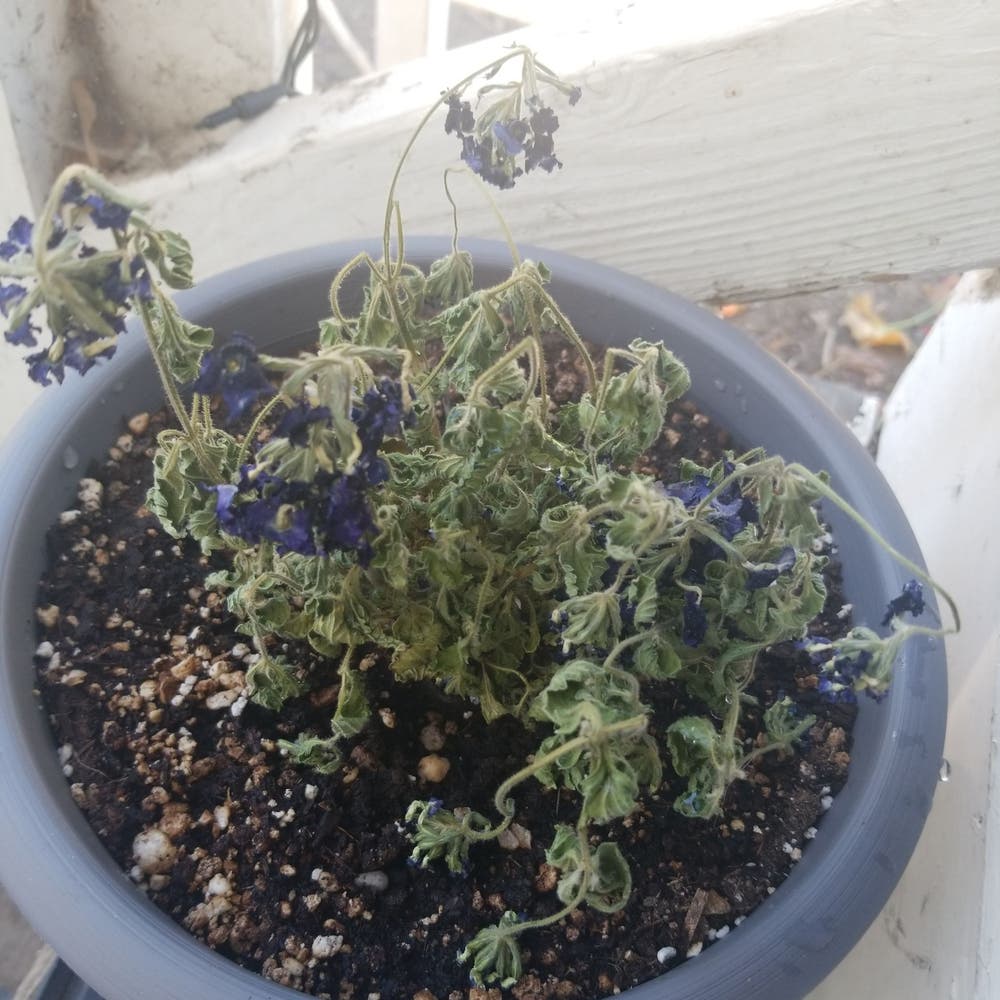
On the flip side, underwatering shows up as crispy leaf edges and drooping plants. Keep an eye on these indicators to maintain plant health.
With proper watering and fertilizing, your hardy verbena will flourish beautifully. Next, let’s explore pruning and maintenance techniques to keep your plants in top shape.
Pruning and Maintenance
When and How to Prune 🌱
Pruning hardy verbena is essential for encouraging healthy growth. Aim to prune in early spring, just before new growth begins, cutting back the plants to about 6-12 inches.
Deadheading Techniques 🌼
To keep your verbena blooming, practice deadheading. Pinch off spent flowers every 2-3 weeks during the blooming season to promote new blooms and maintain a tidy appearance.
Seasonal Maintenance Tasks 🍂
Seasonal maintenance is crucial for the health of your plants. In the fall, cut back your verbena and apply mulch for winter protection.
In spring, focus on fertilizing and checking for pests to ensure robust growth. This proactive approach will set your plants up for success as the growing season begins.
With these pruning and maintenance tips, your hardy verbena will thrive beautifully. Next, let’s explore common challenges and solutions to keep your garden flourishing.
Common Challenges and Solutions
🐛 Identifying and Managing Pests
Hardy verbena can attract pests like aphids and spider mites. Look for signs such as curled leaves or webbing; these indicate an infestation.
To control these pests, consider using insecticidal soap or neem oil. Regularly inspect your plants to catch issues early.
🦠 Dealing with Diseases
Common diseases affecting hardy verbena include powdery mildew and root rot. Powdery mildew appears as a white, powdery coating on leaves, while root rot often results in wilting and yellowing.
Prevent these diseases by ensuring good air circulation and avoiding overwatering. If symptoms arise, remove affected parts and improve drainage.
🌡️ Environmental Challenges
Heat can be a challenge for hardy verbena, especially in extreme temperatures. Provide some afternoon shade during the hottest months to protect your plants.
Drought resistance is another concern. To maintain health during dry spells, mulch around the base to retain moisture and water deeply when needed.
With these strategies, you can keep your hardy verbena thriving, no matter the challenges. Next, let’s explore the differences between container and outdoor growing.
Container vs. Outdoor Growing
🌱 Benefits of Container Gardening
Container gardening offers incredible flexibility. You can easily move pots to capture the best sunlight throughout the day.
Another advantage is soil control. Customizing your soil mix allows you to create the perfect environment for your hardy verbena to thrive.
🥇 Best Practices for Growing in Pots
When selecting pots, aim for a minimum diameter of 12 inches. This size provides ample root space for healthy growth.
Don't overlook drainage. Ensure your pots have drainage holes and use a quality potting mix to prevent waterlogging.
🌳 Outdoor Growing Tips
For outdoor planting, site selection is crucial. Choose a location with good air circulation to help your plants flourish.
Consider companion planting as well. Pairing hardy verbena with other flowers or herbs can enhance growth and deter pests.
With these insights, you're well-equipped to choose between container and outdoor growing. Each method has its perks, so pick what suits your space and lifestyle best!
⚠️ Safety First
This content is for general information and may contain errors, omissions, or outdated details. It is not medical, veterinary advice, or an endorsement of therapeutic claims.
Always consult a qualified healthcare professional before using any plant as food, medicine, or supplement.
Never eat any plant (or feed one to pets) without confirming its identity with at least two trusted sources.
If you suspect poisoning, call Poison Control (800) 222-1222, the Pet Poison Helpline (800) 213-6680, or your local emergency service immediately.
Spotted an error? Please report it here.
Grow vibrant hardy verbena blooms 🌼 effortlessly with Greg's tailored reminders for watering and pest control, ensuring your garden flourishes all season long!