☀️ 4 Outdoor Care Hacks for Verbena
Verbena rigida
By the Greg Editorial Team
Oct 15, 2024•5 min read
This article was created with the help of AI so we can cover more plants for you. May contain errors. See one? Report it here.
Master the essentials of sunlight, watering, and soil care 🌱 to unlock vibrant blooms of hardy verbena this season! 🌼
- ☀️ Hardy verbena needs 6-8 hours of sunlight daily for optimal growth.
- 💧 Water every 1-2 weeks, allowing soil to dry to prevent root rot.
- 🌱 Use well-drained sandy loam soil for best results and vibrant blooms.
Sunlight Needs and Optimal Exposure
Ideal Conditions 🌞
Hardy verbena thrives best in full sun, requiring 6-8 hours of direct sunlight daily. Without adequate sunlight, you may notice stunted growth and fewer blooms, which can be disappointing for any gardener.
Adjusting for Different Climates ☀️
In hotter climates, it's wise to provide partial shade during peak afternoon sun to prevent scorching. Conversely, in cooler climates, ensure your verbena gets full sun exposure to promote optimal growth and vibrant flowers.
Understanding these sunlight needs will set the foundation for a flourishing verbena garden. Next, let’s explore the watering requirements that keep these beauties hydrated and healthy.
Watering Requirements and Frequency
General Guidelines 🌊
When planting hardy verbena, start with a deep watering to establish strong roots. Once your plants are settled, water them every 1-2 weeks, ensuring the soil dries out between sessions to prevent root rot.
Signs of Under or Overwatering 🚨
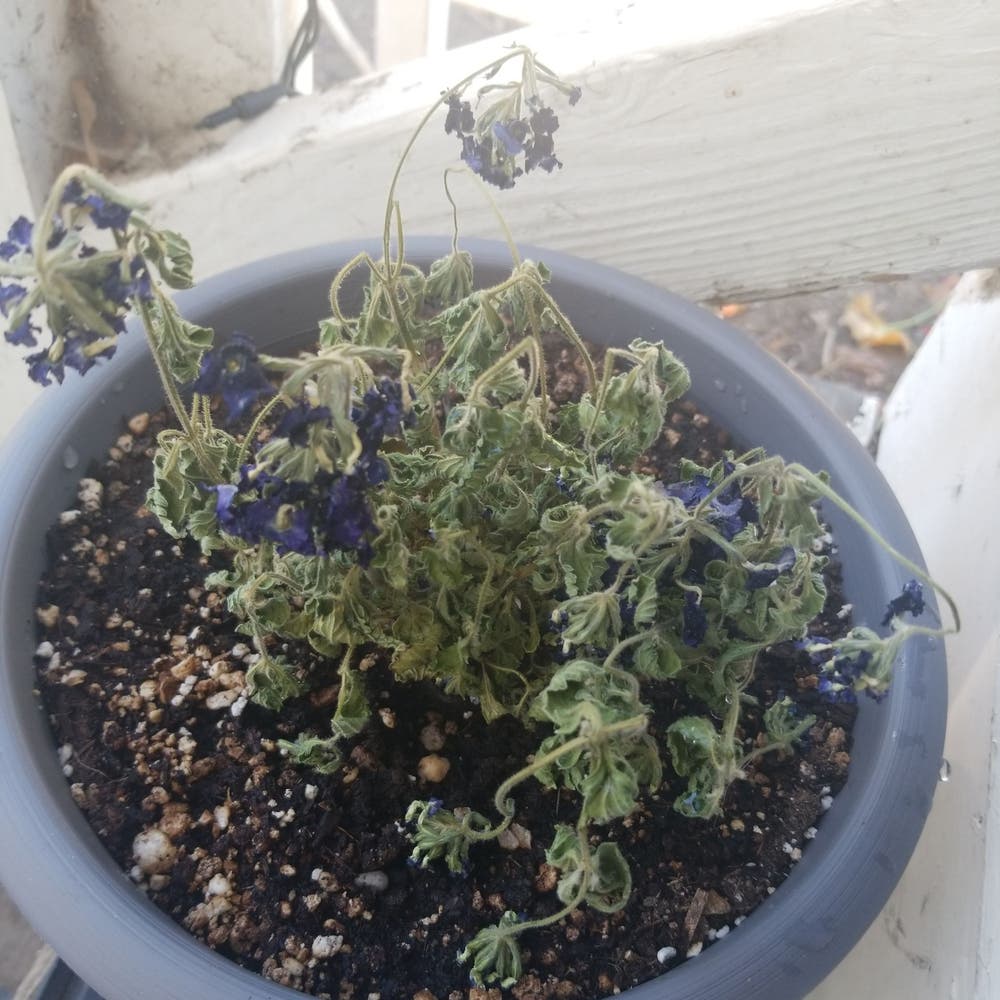
Keep an eye on your plants for signs of distress. Wilting leaves and dry soil indicate underwatering, while yellowing leaves and root rot suggest overwatering.
Seasonal Adjustments 🌦️
As the seasons change, so should your watering routine. Increase watering frequency during hot summer months to keep your verbena thriving, and reduce it in fall and winter when growth slows down.
Understanding these watering requirements will help you maintain healthy, vibrant verbena plants. Next, let’s explore the ideal soil preferences and fertilization techniques to further enhance their growth.
Soil Preferences and Fertilization
Ideal Soil Composition 🌱
For hardy verbena, the ideal soil is well-drained sandy loam. This type of soil ensures that water flows freely, preventing root rot and promoting healthy growth.
The pH level is also crucial; aim for a slightly acidic to neutral range of 6.0 to 7.0. This balance allows the plant to absorb nutrients effectively, setting the stage for vibrant blooms.
Soil Amendments and Fertilization Tips 🌿
To enhance drainage and nutrient content, consider adding organic matter like compost or well-rotted manure. These amendments not only improve soil structure but also provide essential nutrients.
When it comes to fertilization, start with an initial application at planting. Follow up with ongoing feedings every 4-6 weeks during the growing season to keep your verbena thriving.
By ensuring the right soil conditions and a consistent fertilization schedule, you’ll set your hardy verbena up for success. Next, let’s explore the best planting options and how to protect your plants from unpredictable weather.
Planting Options and Weather Protection
🌱 Container vs. Ground Planting
Choosing between container and ground planting for hardy verbena can significantly impact their growth.
Container Planting offers mobility and allows for better soil control, making it easier to adjust conditions as needed. However, it also comes with limitations, such as restricted root space and the necessity for more frequent watering.
On the other hand, Ground Planting promotes natural growth and enhances moisture retention. Yet, it has its downsides, including less control over soil conditions and increased vulnerability to pests.
☔️ Strategies for Weather Protection
Protecting your hardy verbena from extreme weather is crucial for their health.
During hot spells, consider using shade cloth to shield your plants and ensure regular watering to keep them hydrated.
In colder months, safeguard your verbena from frost by covering them with blankets or mulch, which helps insulate the roots and retain moisture.
With the right planting method and weather protection strategies, your hardy verbena will thrive beautifully, setting the stage for vibrant blooms. Next, let’s explore pest and disease management to keep your plants healthy year-round.
Pest and Disease Management and Seasonal Care
🐜 Common Outdoor Pests and Prevention
Hardy verbena can attract a few pesky visitors, notably aphids and spider mites. Look for signs like curled leaves or a sticky residue; these indicate an infestation.
To combat these pests, consider organic control options. Neem oil or insecticidal soap can be effective, keeping your plants healthy without harsh chemicals.
🌱 Seasonal Care Tips
Spring: Pruning and Fertilization
As spring arrives, it's time to give your verbena a little TLC. Prune any dead or damaged stems to encourage new growth and apply a balanced fertilizer to kickstart the season.
Summer: Increased Watering and Deadheading
During the hot summer months, increase your watering frequency. Deadheading spent blooms will also promote more flowers, keeping your verbena vibrant.
Fall: Reducing Watering and Mulching
As temperatures cool, reduce your watering schedule. Adding a layer of mulch will help retain moisture and protect the roots as the weather changes.
Winter: Covering Plants and Avoiding Overwatering
In winter, cover your verbena to shield it from frost. Be cautious with watering; overwatering can lead to root rot, so allow the soil to dry out between sessions.
By following these pest management and seasonal care tips, your hardy verbena will thrive throughout the year. Next, let’s explore climate zone considerations to ensure your plants are well-suited to their environment.
Climate Zone Considerations
🌍 Best Climate Zones
Hardy verbena thrives in USDA zones 7-11, making it a versatile choice for many gardeners. However, understanding your local climate conditions—whether hot and dry or humid—is crucial for optimal care.
⚠️ Special Considerations
In northern regions, aim for early spring planting to give your verbena a head start. Conversely, southern areas should focus on managing summer heat and humidity to keep these vibrant plants healthy and blooming.
By tailoring your care to your specific climate zone, you can ensure your hardy verbena flourishes throughout the growing season. Next, let's explore effective pest and disease management strategies to keep your plants thriving.
⚠️ Safety First
This content is for general information and may contain errors, omissions, or outdated details. It is not medical, veterinary advice, or an endorsement of therapeutic claims.
Always consult a qualified healthcare professional before using any plant as food, medicine, or supplement.
Never eat any plant (or feed one to pets) without confirming its identity with at least two trusted sources.
If you suspect poisoning, call Poison Control (800) 222-1222, the Pet Poison Helpline (800) 213-6680, or your local emergency service immediately.
Spotted an error? Please report it here.
Keep your hardy verbena blooming brilliantly 🌸 with Greg's tailored watering alerts and expert care tips that ensure your plants thrive all season long!