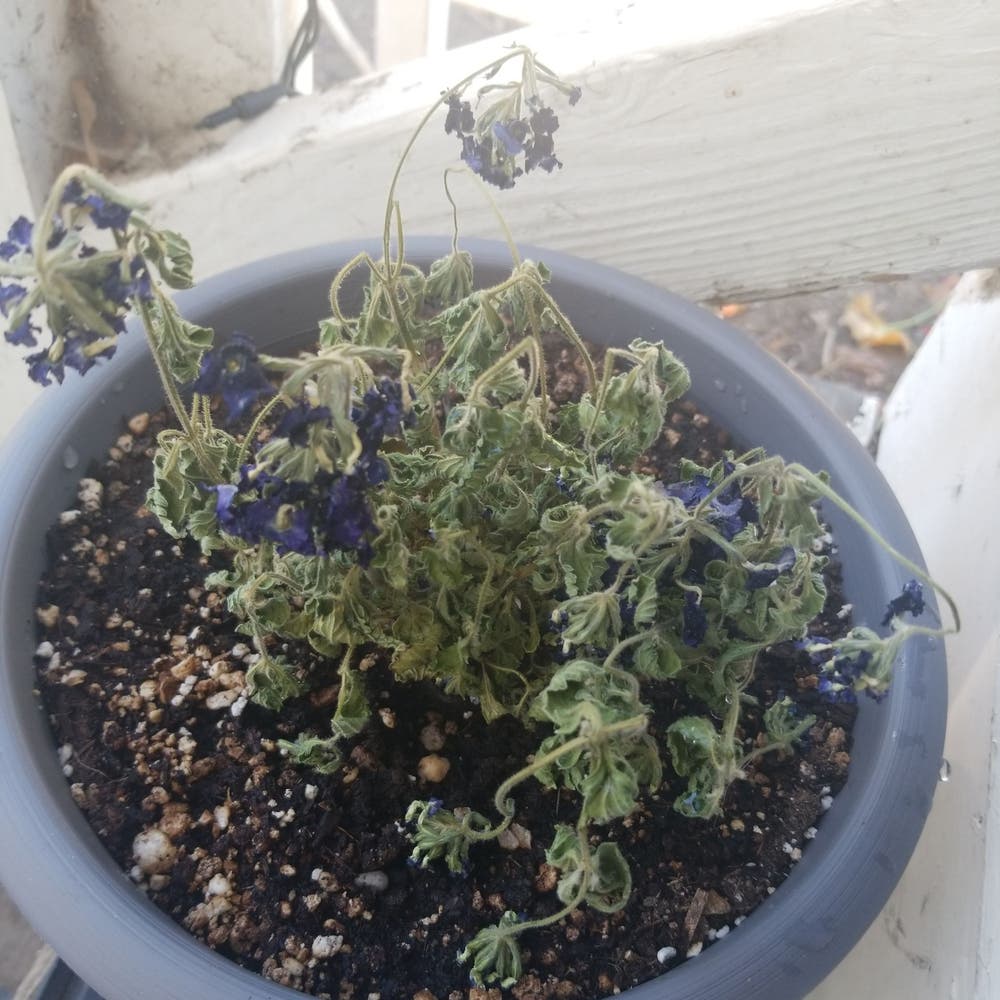
🐛 Ultimate Guide to What's Eating Your Hardy Verbena
Verbena rigida
By the Greg Editorial Team
Oct 15, 2024•7 min read
This article was created with the help of AI so we can cover more plants for you. May contain errors. See one? Report it here.
Safeguard your Hardy Verbena from herbivores while inviting beneficial wildlife for a flourishing garden! 🌼
- 🌸 Hardy Verbena attracts herbivores like deer and rabbits, threatening its health.
- 🦌 Deterrents like repellents and fencing can protect Hardy Verbena from common pests.
- 🌼 Encouraging beneficial insects enhances pollination and helps safeguard your garden.
Description and Appeal
Appearance 🌸
Hardy Verbena is a striking plant with tall, slender stems that can reach heights of 2 to 4 feet. Its clusters of small purple flowers create a vibrant display, making it a favorite in gardens.
The foliage consists of opposite, lance-shaped leaves that are green and slightly hairy. This unique texture adds to the plant's overall appeal, inviting curiosity and admiration.
Most Appealing Parts 🐾
The flowers of Hardy Verbena are particularly enticing due to their soft texture and high moisture content. These qualities make them irresistible to various herbivores.
Young shoots are another target for animals, as they are tender and packed with nutrients. This combination of attributes makes Hardy Verbena a magnet for wildlife, both beneficial and harmful.
As you explore the beauty of Hardy Verbena, keep in mind the delicate balance between attracting pollinators and deterring herbivores. Understanding this dynamic is key to maintaining a thriving garden.
Common Herbivores
🦌 Deer
Signs and Damage
Deer are notorious for their destructive browsing habits. Look for hoof prints in muddy areas and notice how leaves and flowers are stripped from your Hardy Verbena.
Interaction Type
This interaction is generally harmful, as deer can decimate populations of Hardy Verbena, leaving your garden looking bare.
Deterrent Methods
To keep deer at bay, consider these methods:
- Chemical: Use commercial deer repellents that create an unpleasant taste or smell.
- Organic: Plant deer-resistant species nearby or scatter human hair or soap shavings around your garden.
🐇 Rabbits
Signs and Damage
Rabbits leave behind small, round droppings near the plant. They also create clean cuts on stems and leaves, making their presence known.
Interaction Type
Rabbits are generally harmful, as they can significantly reduce the vigor of your Hardy Verbena.
Deterrent Methods
To deter rabbits, try these approaches:
- Chemical: Apply bitter-tasting sprays to make the plants less appealing.
- Organic: Erect fencing that is 2-3 feet high and consider planting rabbit-resistant plants nearby.
🐿️ Squirrels
Signs and Damage
Squirrels can be quite the nuisance, often chewing on stems and flowers. You might also spot them nesting in nearby trees.
Interaction Type
This interaction is generally harmful, as squirrels can cause significant damage to your plants.
Deterrent Methods
To keep squirrels away, consider:
- Chemical: Use squirrel repellents that deter them with unpleasant scents.
- Organic: Implement scare tactics like reflective tape or noise devices to frighten them off.
🐦 Birds
Signs and Damage
Birds can be both friends and foes. Look for peck marks on flowers and leaves, and notice if they are nesting nearby.
Interaction Type
The interaction with birds is mixed; while some may help pollinate, others can damage your plants.
Deterrent Methods
To manage birds, you can:
- Chemical: Typically, no chemicals are used.
- Organic: Use netting to protect flowers and provide alternative food sources to distract them.
🐭 Rodents
Signs and Damage
Rodents leave behind tunnels or burrows near your plants. You may also find gnawed stems and roots, indicating their presence.
Interaction Type
This interaction is generally harmful, as rodents can undermine the health of your Hardy Verbena.
Deterrent Methods
To combat rodents, consider:
- Chemical: Set up rodent bait stations to control their population.
- Organic: Use traps and modify their habitat by removing debris to make it less inviting.
🦡 Groundhogs/Woodchucks
Signs and Damage
Groundhogs create large burrows and show signs of digging. They often graze on the lower stems and leaves of your plants.
Interaction Type
This interaction is generally harmful, as groundhogs can cause extensive damage to your Hardy Verbena.
Deterrent Methods
To deter groundhogs, you can:
- Chemical: Use commercial repellents designed to keep them away.
- Organic: Install fencing that is 3-4 feet high and consider planting deterrent plants to discourage their presence.
Understanding these common herbivores and their impacts can help you protect your Hardy Verbena effectively. Next, let’s explore the beneficial animals that can enhance your garden's health.
Beneficial Animals
Positive Impacts 🌼
Hardy Verbena isn't just a feast for herbivores; it also attracts a host of beneficial animals. Pollinators like butterflies and bees are drawn to its vibrant flowers, playing a crucial role in the ecosystem.
These pollinators enhance the plant's health and yield through improved pollination. Their presence can lead to more robust blooms and a thriving garden.
Predatory Insects 🐞
In addition to pollinators, Hardy Verbena attracts predatory insects. These beneficial creatures help control pest populations, keeping your garden balanced and healthy.
Encouraging these allies can create a natural defense system against harmful herbivores. By fostering a diverse ecosystem, you not only protect your plants but also contribute to a thriving environment.
Conclusion 📜
Understanding the role of beneficial animals in your garden can shift your perspective on pest management. Instead of solely focusing on deterrents, consider how to attract these helpful species.
Next, let’s explore effective protection strategies to safeguard your Hardy Verbena from potential threats.
Protection Strategies
🛡️ Preventive Measures
To keep your Hardy Verbena thriving, consider planting them in less accessible areas. This simple strategy can deter many herbivores that prefer easy targets.
Companion planting is another effective approach. Pairing Hardy Verbena with plants that naturally repel pests can create a protective barrier, enhancing your garden's resilience.
⚠️ Reactive Solutions
Regular monitoring is crucial for early detection of herbivore activity. Keep an eye out for any signs of nibbling or damage to catch issues before they escalate.
When you notice damage, act quickly. Immediate intervention can prevent further harm and help your plants recover faster.
🌱 Balancing Ecosystem Health
Encouraging beneficial insects is key to a healthy garden. Pollinators like butterflies and bees not only enhance plant health but also help control pest populations.
By creating a balanced ecosystem, you can deter harmful herbivores while promoting a vibrant garden. This approach fosters a thriving environment for both your plants and the wildlife that supports them.
With these strategies in place, you can enjoy the beauty of your Hardy Verbena while minimizing the impact of unwanted visitors.
Seasonal Considerations
🌱 Variations in Attraction
As the seasons change, so does the behavior of herbivores. In spring and early summer, you'll notice a spike in herbivore activity, driven by the lush growth of plants like Hardy Verbena.
⏰ Timing of Vulnerability
During this peak period, young shoots and flowers become particularly vulnerable. These tender parts are prime targets for hungry animals, making it crucial to stay vigilant and proactive in protecting your plants.
Understanding these seasonal patterns can help you anticipate threats and take action before damage occurs. By being aware of when herbivores are most active, you can better safeguard your Hardy Verbena and ensure its thriving presence in your garden.
With this knowledge in hand, let’s explore effective protection strategies to keep your plants safe from these seasonal challenges.
Toxicity and Safety
⚠️ Toxic Effects
Hardy Verbena has mild toxicity, which can act as a natural deterrent for some herbivores. This characteristic helps protect the plant, allowing it to thrive despite potential threats.
🐾 Safety Considerations
It's essential to be aware of how Hardy Verbena may affect pets and livestock. Some animals might experience mild reactions, so monitoring their behavior around the plant is wise.
When pruning or harvesting, take precautions to avoid skin irritation. Wearing gloves can help protect your hands from any potential reactions, ensuring a safe gardening experience.
By understanding these aspects of toxicity and safety, you can enjoy your Hardy Verbena while keeping your garden and animals safe.
As we explore further, let’s look at effective protection strategies to safeguard your plants from herbivores.
⚠️ Safety First
This content is for general information and may contain errors, omissions, or outdated details. It is not medical, veterinary advice, or an endorsement of therapeutic claims.
Always consult a qualified healthcare professional before using any plant as food, medicine, or supplement.
Never eat any plant (or feed one to pets) without confirming its identity with at least two trusted sources.
If you suspect poisoning, call Poison Control (800) 222-1222, the Pet Poison Helpline (800) 213-6680, or your local emergency service immediately.
Spotted an error? Please report it here.
Keep your Hardy Verbena thriving 🌼 by using Greg's tailored care tips and reminders to fend off herbivores and create a balanced garden ecosystem!