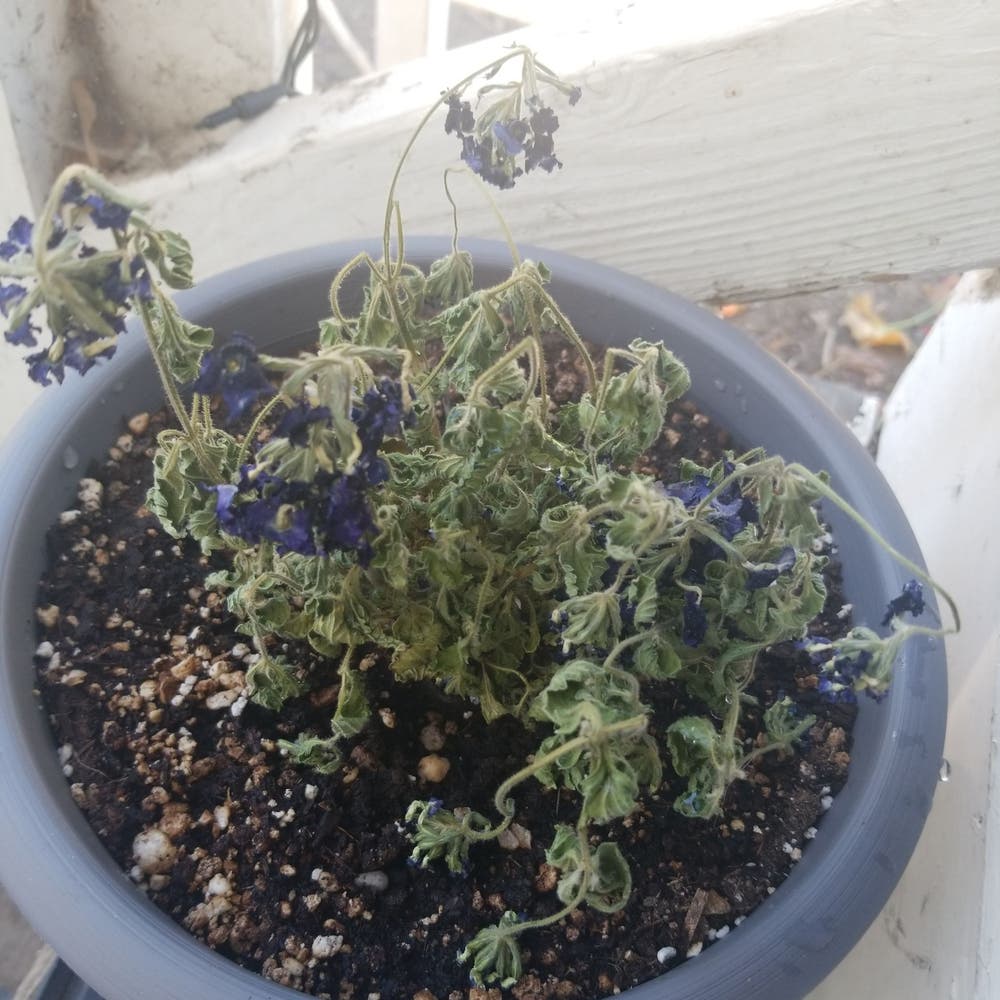
🔍 What to Do About Brown Spots on Your Hardy Verbena
Verbena rigida
By the Greg Editorial Team
Oct 15, 2024•7 min read
This article was created with the help of AI so we can cover more plants for you. May contain errors. See one? Report it here.
Keep your hardy verbena thriving and vibrant by mastering the art of preventing pesky brown spots! 🌿
- 🌱 Brown spots on hardy verbena stem from infections, stress, or nutrient issues.
- 🦠 Cercospora leaf spot causes brown spots with yellow halos; treat with fungicides.
- 💧 Proper watering and soil are crucial; ensure well-draining soil and consistent moisture.
Causes of Brown Spots
🦠 Fungal Infections
Fungal infections are a common culprit behind brown spots on hardy verbena. Cercospora leaf spot is one of the most prevalent diseases, characterized by brown spots surrounded by yellow halos, often leading to leaf drop.
High humidity and poor air circulation create ideal conditions for these fungal diseases to thrive. Ensuring good airflow and managing moisture levels can help mitigate these issues.
🦠 Bacterial Infections
Bacterial infections can also lead to brown spots, typically identified by water-soaked lesions that eventually turn brown. These spots are often accompanied by wilting, signaling that the plant is under stress.
Conditions that favor bacterial growth include overhead watering and any wounds on the plant tissue. Being mindful of watering practices can help prevent these infections.
🌧️ Environmental Stress
💧 Overwatering
Overwatering is a frequent cause of stress for hardy verbena. Signs include yellowing leaves and root rot, which can lead to brown spots on the foliage.
To combat this, ensure that the soil dries out between waterings. This balance is crucial for maintaining plant health.
💧 Underwatering
Conversely, underwatering can also manifest as brown spots. Symptoms include crispy, brown leaf edges and stunted growth, indicating that the plant is not receiving enough moisture.
Aim to water weekly during dry spells, adjusting based on rainfall to keep your verbena thriving.
🥦 Nutrient Deficiencies
🌱 Nitrogen Deficiency
A nitrogen deficiency can lead to general yellowing and browning of older leaves. This nutrient is vital for healthy growth and vibrant foliage.
Using a balanced fertilizer with adequate nitrogen content can help restore your plant's health.
🌱 Potassium Deficiency
Brown spots on the leaf edges may indicate a potassium deficiency. This nutrient is essential for overall plant vigor.
To address this, consider applying potassium-rich fertilizers or organic compost to enrich the soil.
🐜 Pest Infestations
🐞 Aphids
Aphids can wreak havoc on hardy verbena, leaving behind a sticky residue and curled leaves. These pests can quickly multiply if not managed.
Control methods include using insecticidal soap or neem oil to keep infestations at bay.
🕷️ Spider Mites
Spider mites are another threat, often presenting as fine webbing and stippled leaves. These tiny pests thrive in dry conditions.
Increasing humidity and using miticides can help manage spider mite populations effectively.
Understanding these causes of brown spots is essential for maintaining the health of your hardy verbena. With the right knowledge and care, you can keep your plants vibrant and flourishing. Next, let’s explore how to diagnose these brown spots effectively.
Diagnosing Brown Spots
Identifying Symptoms 🌟
To tackle brown spots on your hardy verbena, start with a visual inspection. Look closely at the color, size, and pattern of the spots, and pay attention to their location on the leaves—are they on older or newer foliage?
Differentiating Between Fungal and Bacterial Issues 🦠
Understanding whether the problem is fungal or bacterial is crucial. Fungal infections typically present as brown spots with yellow halos, often found on the lower leaves, while bacterial issues manifest as water-soaked lesions, usually on the upper leaves.
Assessing Environmental Factors 🌍
Light Requirements
Light plays a vital role in plant health. Hardy verbena thrives in full sun, requiring 6-8 hours of direct sunlight daily. If you notice stretching or pale foliage, your plant may not be getting enough light.
Watering Practices
Next, evaluate your watering habits. Use a moisture meter or perform a finger test to check soil moisture levels, adjusting your watering based on recent weather conditions to avoid stress on the plant.
Soil Quality
Soil quality is another key factor. Well-draining soil, ideally sandy loam, is essential for healthy verbena. Watch for signs of poor drainage, such as water pooling or slow absorption, which can lead to root issues.
By carefully diagnosing these symptoms and environmental factors, you can better understand the underlying causes of brown spots on your hardy verbena. This knowledge sets the stage for effective treatment and prevention strategies.
Treatment Options
🌱 Organic Fungicides and Bactericides
When dealing with brown spots on your hardy verbena, organic fungicides and bactericides can be effective solutions. Recommended products include neem oil and copper-based fungicides, which are both gentle on plants yet tough on pathogens.
Apply these treatments every 7-14 days during the active growth period. Consistency is key to keeping your plants healthy and vibrant.
🏡 Home Remedies
Neem Oil Solution
Neem oil is a fantastic natural remedy for various plant issues. To create your solution, mix 1-2 tablespoons of neem oil per gallon of water.
Spray this mixture directly on the affected areas of your verbena. This method not only targets existing problems but also helps prevent future outbreaks.
Baking Soda Solution
Another effective home remedy is a baking soda solution. Combine 1 tablespoon of baking soda with 1 teaspoon of liquid soap in 1 gallon of water.
Spray this solution on your plants every 7-10 days. It’s a simple and cost-effective way to combat fungal issues.
💧 Adjusting Watering Practices
Proper watering is crucial for the health of your hardy verbena. Establish a consistent watering schedule that allows the soil to dry out between waterings.
Deep, infrequent watering encourages strong root development. Regularly monitor soil moisture levels to ensure your plants are getting just the right amount of hydration.
🌬️ Improving Air Circulation
Enhancing air circulation around your verbena can significantly reduce the risk of fungal and bacterial infections. Start by ensuring proper spacing between plants to allow airflow.
Additionally, prune overcrowded areas to promote better ventilation. These simple techniques can make a big difference in keeping your plants healthy.
By implementing these treatment options, you can effectively manage brown spots on your hardy verbena. Next, let’s explore preventive measures to keep your plants thriving year-round.
Preventive Measures
Proper Watering Techniques 🌊
Watering your hardy verbena correctly is crucial for preventing brown spots. Always water at the base of the plant to keep the foliage dry and reduce the risk of fungal infections.
Using drip irrigation can be a game changer. It delivers moisture directly to the roots, promoting healthy growth while minimizing water on the leaves.
Soil Health and Amendments 🌱
Soil health plays a significant role in plant vitality. Regular soil testing helps you monitor pH and nutrient levels, ensuring your verbena gets what it needs.
Consider adding organic compost to your soil. This not only improves soil structure but also enriches it with essential nutrients.
Choosing Disease-Resistant Varieties 🦠
Selecting disease-resistant varieties can save you a lot of trouble. Varieties like 'Homestead Purple' and 'Lollipop' are known for their resilience against common diseases.
By choosing these types, you significantly reduce the risk of encountering brown spots and other issues.
Seasonal Care Tips 🍂
Mulching
Mulching is a simple yet effective way to protect your plants. It retains soil moisture and suppresses weeds, creating a healthier environment for your verbena.
Opt for organic materials like wood chips or straw. These not only serve their purpose but also enrich the soil as they decompose.
Pruning ✂️
Timing is everything when it comes to pruning. Aim to prune in early spring, just before new growth begins.
Focus on removing dead or diseased foliage. This promotes better air circulation and helps prevent the onset of diseases.
By implementing these preventive measures, you'll set your hardy verbena up for success. Next, let's explore how to monitor plant health effectively.
Monitoring Plant Health
🕵️♂️ Regular Inspections for Pests and Diseases
To keep your hardy verbena thriving, conduct weekly inspections during the growing season. Focus on key areas like the undersides of leaves, stems, and the soil surface to catch any issues early.
📈 Signs of Recovery or Worsening Conditions
Look for indicators of improvement, such as new growth and reduced spotting. Conversely, increased leaf drop and spreading spots signal that your plant may be worsening and needs immediate attention.
🆘 When to Seek Professional Help
If you encounter persistent issues despite your best efforts, it might be time to consult a professional. Severe infestations or disease outbreaks warrant intervention from local extension services or certified horticulturists for expert guidance.
Monitoring your plant's health is crucial for maintaining its vitality. By staying vigilant and proactive, you can ensure your hardy verbena remains a vibrant addition to your garden.
⚠️ Safety First
This content is for general information and may contain errors, omissions, or outdated details. It is not medical, veterinary advice, or an endorsement of therapeutic claims.
Always consult a qualified healthcare professional before using any plant as food, medicine, or supplement.
Never eat any plant (or feed one to pets) without confirming its identity with at least two trusted sources.
If you suspect poisoning, call Poison Control (800) 222-1222, the Pet Poison Helpline (800) 213-6680, or your local emergency service immediately.
Spotted an error? Please report it here.
Keep your hardy verbena thriving 🌼 by using Greg's tailored care reminders to ensure balanced fertilization and consistent watering, preventing those pesky brown spots!