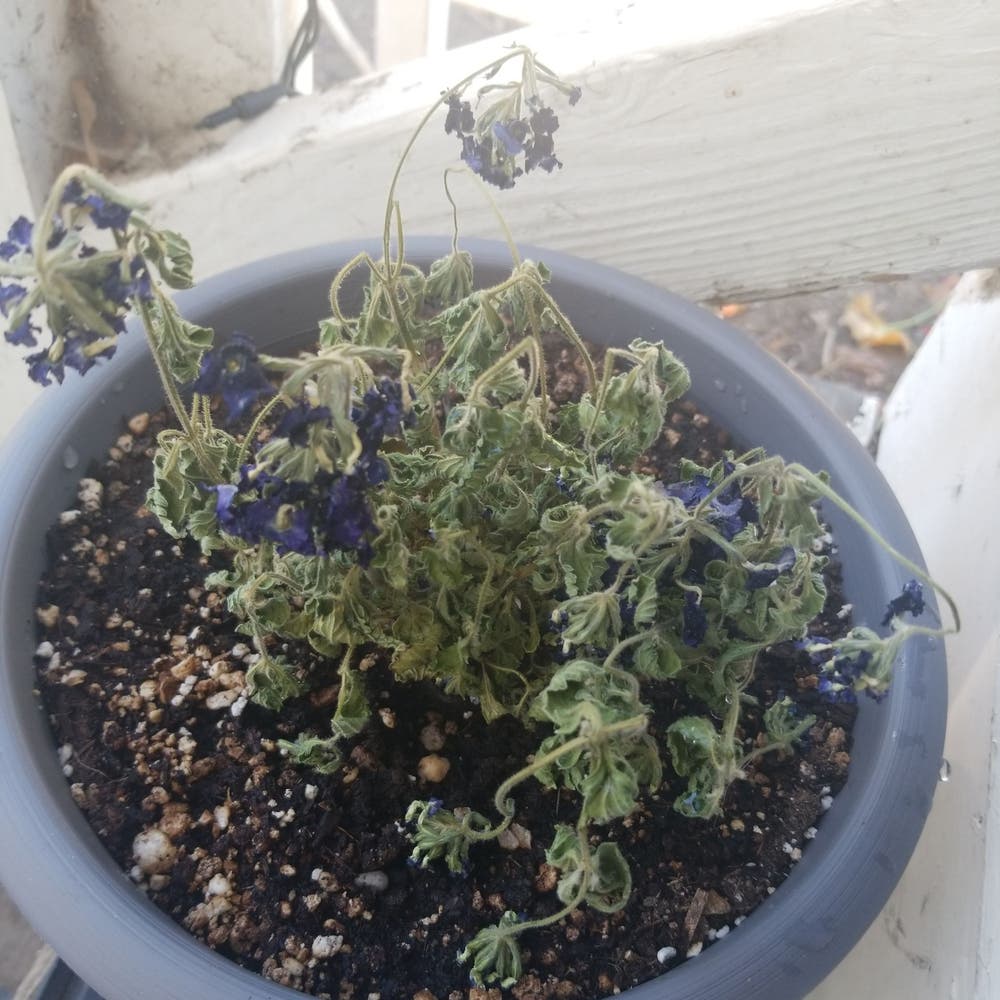
How to Cure Black Spots on Your Hardy Verbena 🩹
Verbena rigida
By the Greg Editorial Team
Oct 15, 2024•6 min read
This article was created with the help of AI so we can cover more plants for you. May contain errors. See one? Report it here.
Revive your Hardy Verbena 🌱 by mastering black spot diagnosis and treatment for vibrant, healthy growth!
- 🌱 Identify black spot causes—fungal or non-fungal—for effective treatment.
- 🧴 Use organic fungicides like neem oil for best results on black spots.
- 🌞 Ensure 6-8 hours of sunlight and proper watering to prevent issues.
Diagnosing Black Spots
🕵️♂️ Differentiating Between Fungal and Non-Fungal Causes
Identifying the cause of black spots on your Hardy Verbena is crucial for effective treatment. Fungal infections typically present as spots with defined edges, often accompanied by yellowing leaves, while non-fungal issues manifest as general wilting or browning without distinct spots.
Accurate diagnosis not only helps in selecting the right treatment but also prevents further damage to your plant. Understanding these differences can save you time and frustration in your gardening journey.
👀 Visual Identification of Black Spots
When diagnosing black spots, pay attention to their location on the plant. Spots on the lower leaves often indicate a different issue than those found on upper leaves.
Additionally, look for other symptoms like wilting or stunted growth. These signs can provide valuable context and help you determine the underlying problem more effectively.
Treatment Options
🌱 Organic Fungicides and Their Application
When it comes to treating black spots on your Hardy Verbena, organic fungicides are a great choice. Neem oil is particularly effective; apply it every 7-14 days, ensuring you cover both the tops and undersides of leaves.
Sulfur-based fungicides are another option. Use them according to the manufacturer's instructions, typically during cooler parts of the day to avoid plant stress.
⏰ Timing of Application for Maximum Effectiveness
For optimal results, apply fungicides in the early morning or late afternoon. This timing helps prevent evaporation and allows the treatment to penetrate effectively.
🏡 Homemade Remedies for Black Spots
If you prefer DIY solutions, several household ingredients can help combat black spots. A baking soda solution is simple to make: mix one tablespoon of baking soda with a gallon of water and spray it on affected areas.
Another effective remedy is garlic spray. Blend a few cloves of garlic with water, strain the mixture, and spray it on your plants. This not only helps with black spots but also deters pests.
⚖️ Effectiveness and Limitations of Homemade Remedies
While homemade remedies can be effective, they may not work for severe infestations. Regular monitoring is essential to determine if these solutions are sufficient for your plants.
✂️ Pruning Affected Leaves
Pruning is a crucial step in managing black spots. Follow these simple steps:
- Identify and select affected leaves.
- Use clean, sharp pruning shears to make clean cuts.
- Dispose of cuttings properly to prevent the spread of disease.
🌿 Importance of Pruning for Plant Health
Pruning not only removes infected parts but also promotes overall plant health. It encourages new growth and improves air circulation, which is vital for preventing future issues.
By combining these treatment options, you can effectively manage black spots on your Hardy Verbena. Next, let’s explore preventive measures to keep your plants healthy and thriving.
Preventive Measures
Proper Watering Techniques 💧
Watering your Hardy Verbena correctly is crucial for preventing black spots. Aim for deep watering rather than shallow sprinkling to encourage robust root growth.
Allow the soil to dry out between waterings. This practice helps prevent over-saturation, which can lead to root rot and other issues.
Soil Health and Drainage 🏞️
The right soil composition is vital for Hardy Verbena. A well-draining soil mix typically includes components like peat moss, perlite, and compost in balanced ratios.
Good drainage is essential to prevent black spots. Watch for signs of poor drainage, such as water pooling on the surface or symptoms of root rot.
Sunlight and Air Circulation Requirements ☀️
Hardy Verbena thrives in full sun, requiring 6-8 hours of sunlight daily. Ensure your plants are positioned to receive adequate light for optimal growth.
Enhancing air circulation around your plants is equally important. Follow spacing guidelines when planting and consider pruning to improve airflow, reducing the risk of fungal issues.
By implementing these preventive measures, you can significantly reduce the chances of black spots developing on your Hardy Verbena. Next, let’s explore seasonal considerations to further enhance your plant care strategy.
Seasonal Considerations
Care During Wet Seasons 🌧️
Managing your Hardy Verbena during wet seasons is crucial. High humidity can lead to overwatering, so it's essential to monitor soil moisture levels closely.
Reduce watering frequency to prevent waterlogged roots. This simple adjustment can make a significant difference in keeping your plants healthy.
Consider preventive fungicide applications during these damp periods. This proactive approach can help ward off potential fungal infections before they take hold.
Adjusting Care in Dry Seasons ☀️
In contrast, dry seasons require a different strategy. Consistent watering becomes vital to ensure your Hardy Verbena thrives during drought conditions.
Utilize deep watering techniques to encourage robust root growth. This method helps your plants access moisture deeper in the soil, promoting resilience.
Keep an eye out for signs of stress, such as wilting or browning leaves. Adjust your care accordingly to keep your plants in peak condition throughout the season.
By understanding these seasonal needs, you can maintain the health and beauty of your Hardy Verbena year-round. Next, let’s explore how to maintain overall plant health for long-lasting vibrancy.
Maintaining Overall Plant Health
🌱 Nutrient Requirements for Hardy Verbena
To thrive, Hardy Verbena needs a balanced supply of essential nutrients. The ideal NPK ratio for these plants is typically around 10-10-10, providing a well-rounded mix for growth.
Fertilization should occur in early spring and again in mid-summer. This timing ensures that the plant has the nutrients it needs during its peak growing periods.
Watch for signs of nutrient deficiencies, such as yellowing leaves or stunted growth. These indicators can signal that your plant isn’t getting what it needs to flourish.
🐞 Monitoring for Pests and Other Diseases
Hardy Verbena can attract common pests, with aphids being a primary concern. These tiny insects can sap the plant's vitality, leading to weakened growth and overall health.
Look for signs of pest infestations, including sticky residue on leaves or distorted foliage. Catching these issues early can make a significant difference in your plant's recovery.
Regular inspections are crucial for early detection of problems. Implementing integrated pest management strategies can help keep your Hardy Verbena healthy and thriving.
By staying vigilant and proactive, you can ensure your plants remain vibrant and resilient. This attention to detail will not only enhance their beauty but also contribute to their overall health and longevity.
⚠️ Safety First
This content is for general information and may contain errors, omissions, or outdated details. It is not medical, veterinary advice, or an endorsement of therapeutic claims.
Always consult a qualified healthcare professional before using any plant as food, medicine, or supplement.
Never eat any plant (or feed one to pets) without confirming its identity with at least two trusted sources.
If you suspect poisoning, call Poison Control (800) 222-1222, the Pet Poison Helpline (800) 213-6680, or your local emergency service immediately.
Spotted an error? Please report it here.
Transform your Hardy Verbena's health by tackling black spots with Greg's customized care reminders and expert tips, ensuring your plants flourish all season long! 🌼