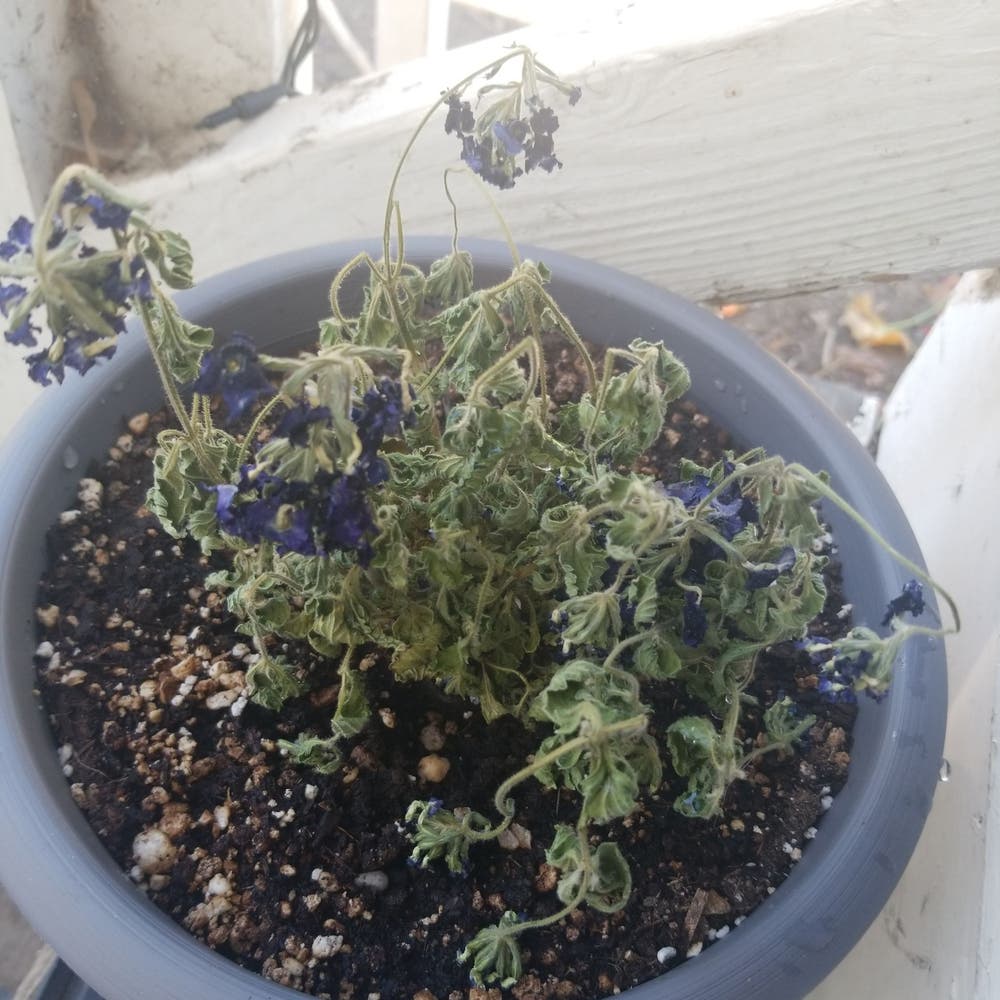
🪴 Step-by-Step Guide to Choosing Soil for Hardy Verbena
Verbena rigida
By the Greg Editorial Team
Oct 15, 2024•5 min read
This article was created with the help of AI so we can cover more plants for you. May contain errors. See one? Report it here.
Transform your hardy verbena garden by mastering soil health for vibrant blooms and robust growth! 🌱🌼
- 🌱 Identify unhealthy soil by checking for mold, compaction, and poor drainage.
- 🧪 Regular soil testing every 6-12 months ensures optimal nutrient levels and pH.
- 🌿 Create a homemade mix of coconut coir, perlite, and compost for hardy verbena.
Identifying Unhealthy Soil
Signs of Unhealthy Soil 🌱
Identifying unhealthy soil is crucial for the success of your hardy verbena. Look out for mold, which appears as white or gray fungal growth on the soil surface.
Another red flag is compaction; if the soil feels hard and dense, it resists penetration, making it difficult for roots to thrive. Lastly, poor drainage is a significant concern. If you notice water pooling or slow absorption after watering, your soil may be in trouble.
How to Test Soil Health 🔍
To assess soil health, start with a visual inspection. Check for mold, discoloration, or unusual textures that could indicate problems.
Next, evaluate moisture levels. Squeeze a handful of soil; it should crumble easily. If it clumps together, your soil may be too wet or compacted.
Common Soil Problems Specific to Hardy Verbena ⚠️
Hardy verbena is particularly susceptible to certain soil issues. Root rot often occurs in overly compacted or waterlogged soil, leading to plant decline.
Additionally, watch for nutrient deficiency. Signs include yellowing leaves and stunted growth, indicating that your soil may lack essential nutrients for healthy development.
By recognizing these signs and testing your soil, you can take proactive steps to ensure your hardy verbena thrives. Next, let’s explore how to resolve these soil issues effectively.
Resolving Soil Issues
🦠 Solutions for Moldy Soil
Moldy soil can be a real headache for your hardy verbena. Start by scraping off the top layer of the affected soil to remove the mold.
Next, improve air circulation around your plants. Space them adequately to avoid overcrowding, which can trap moisture and promote mold growth.
🏋️♂️ How to Amend Compacted Soil
Compacted soil can hinder your plants' growth. To tackle this, use aeration techniques like a garden fork or aerator to create holes in the soil.
Incorporate organic matter such as compost or well-rotted manure. This will enhance the soil's texture and improve its ability to retain moisture and nutrients.
⚖️ Adjusting Soil pH
Maintaining the right soil pH is crucial for healthy plants. If your soil is too acidic, apply agricultural lime to raise the pH levels.
Conversely, if your soil is too alkaline, add elemental sulfur to lower the pH. Regular adjustments will help keep your hardy verbena thriving.
By addressing these soil issues, you set the stage for robust growth and vibrant blooms. Next, let’s explore how to create a homemade soil mix tailored for your hardy verbena.
Creating a Homemade Soil Mix
🌱 Step-by-Step Guide to Making a Suitable Soil Mix
Creating the perfect soil mix for your hardy verbena is straightforward. Start by gathering your materials: coconut coir, perlite, and compost.
Next, mix these ingredients in a large container. Aim for equal parts: 1 part coconut coir, 1 part perlite, and 1 part compost.
Finally, blend thoroughly to ensure an even distribution of all components. This step is crucial for a balanced soil mix.
🥬 Recommended Ingredients
Each ingredient plays a vital role in your soil mix.
- Coconut Coir: This material retains moisture while allowing for proper drainage, making it ideal for hardy verbena.
- Perlite: It enhances aeration and drainage, preventing waterlogging.
- Compost: Packed with essential nutrients, compost improves soil structure and supports healthy plant growth.
⚖️ Proportions for an Ideal Mix
For the best results, stick to an ideal ratio of 1:1:1 (coconut coir:perlite:compost).
However, you may need to make adjustments based on your local soil conditions. If you have sandy soil, consider increasing the perlite for better aeration. Conversely, if your soil is nutrient-poor, add more compost to enrich it.
With this homemade soil mix, your hardy verbena will thrive, setting the stage for vibrant blooms and robust growth.
Now that you have your soil mix ready, let’s explore how to maintain it for optimal health.
Soil Maintenance for Hardy Verbena
Regular Soil Testing and Adjustments 🧪
Maintaining healthy soil is crucial for the vitality of your hardy verbena. Test your soil every 6-12 months to monitor nutrient levels and pH balance.
Adjustments based on these tests ensure your plants receive the optimal conditions they need to thrive. This proactive approach can prevent potential issues before they arise.
Seasonal Considerations for Soil Care 🌱
Spring is the perfect time to refresh your soil. Add fresh compost and check for proper drainage to set your plants up for success.
As fall approaches, test your soil pH and make any necessary amendments. This preparation helps protect your verbena during the winter months.
Importance of Mulching and Its Effects on Soil Health 🍂
Mulching offers numerous benefits for soil health. It retains moisture, regulates temperature, and suppresses weeds, creating a more stable environment for your plants.
As mulch breaks down, it adds organic matter back into the soil. Recommended materials include bark chips, straw, or shredded leaves, all of which contribute to a thriving garden ecosystem.
By focusing on these maintenance practices, you can ensure your hardy verbena flourishes year-round. Next, we’ll explore how to create a homemade soil mix tailored specifically for these resilient plants.
⚠️ Safety First
This content is for general information and may contain errors, omissions, or outdated details. It is not medical, veterinary advice, or an endorsement of therapeutic claims.
Always consult a qualified healthcare professional before using any plant as food, medicine, or supplement.
Never eat any plant (or feed one to pets) without confirming its identity with at least two trusted sources.
If you suspect poisoning, call Poison Control (800) 222-1222, the Pet Poison Helpline (800) 213-6680, or your local emergency service immediately.
Spotted an error? Please report it here.
Unlock vibrant blooms for your hardy verbena 🌼 by using Greg's personalized soil care tips and reminders to create the ideal growing environment!