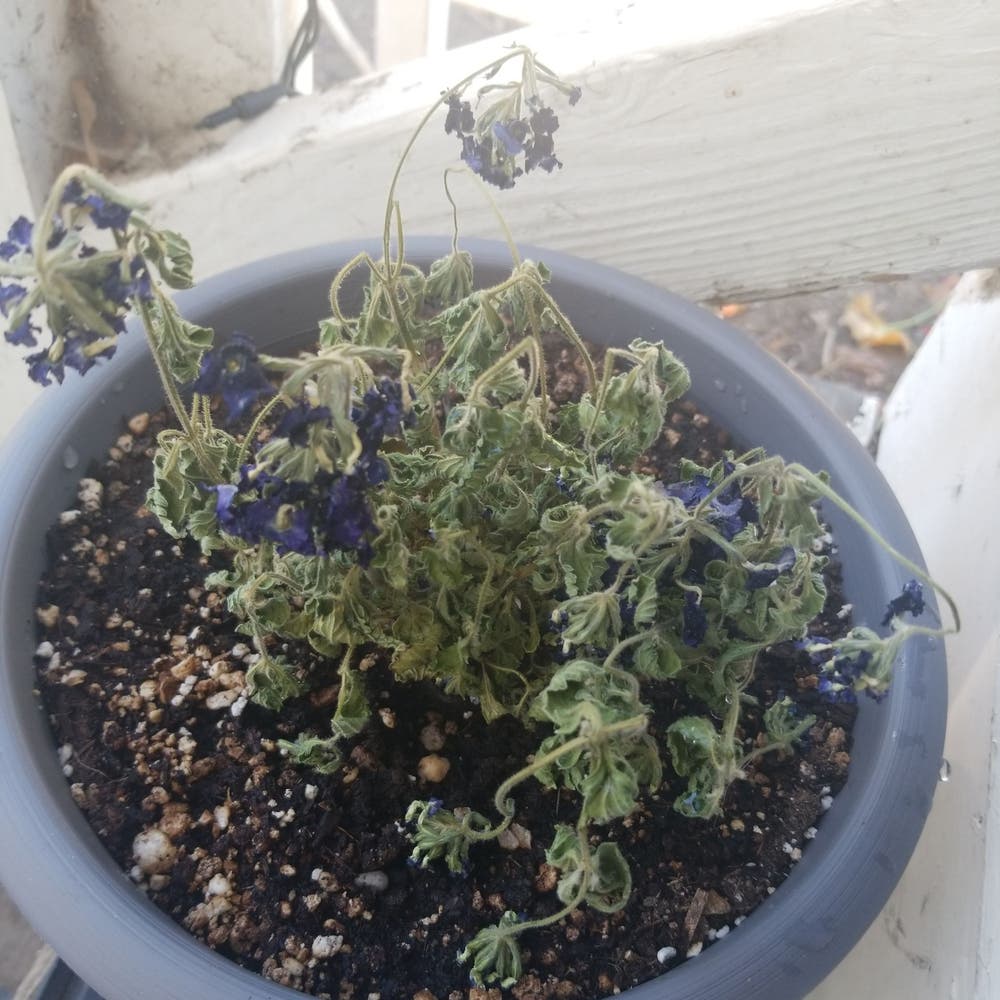
Best Tips for Droopy Leaves on Hardy Verbena 😢
Verbena rigida
By the Greg Editorial Team
Oct 15, 2024•5 min read
This article was created with the help of AI so we can cover more plants for you. May contain errors. See one? Report it here.
Transform your droopy hardy verbena into a thriving beauty 🌿 with essential tips on watering, soil, and pest control!
- 💧 Overwatering and underwatering both cause droopy leaves; balance is key.
- 🌱 Well-draining soil is essential for hardy verbena's health and moisture management.
- 🐞 Regular pest inspections prevent droopy leaves; look for sticky residue and webs.
Causes of Droopy Leaves
💧 Overwatering and Its Effects
Overwatering is a common culprit behind droopy leaves on hardy verbena. Symptoms include yellowing leaves, mushy stems, and drooping foliage, signaling that your plant is struggling.
This excess water can lead to root rot, severely impacting root health and reducing oxygen availability. Ensuring well-drained soil is crucial to prevent these issues.
🚰 Underwatering and Dehydration
On the flip side, underwatering can also cause droopy leaves. Look for crispy, dry leaves and wilting as signs of dehydration.
Stress indicators like leaf curling and browning at the tips are common. Maintaining consistent moisture without saturation is key to keeping your verbena healthy.
🌱 Soil Quality and Drainage Issues
Soil quality plays a significant role in plant health. The ideal soil type for hardy verbena is well-draining sandy or loamy soil.
If you notice puddles forming after watering or compacted soil, these are signs of poor drainage. Amending your soil with organic matter can significantly improve drainage and overall plant health.
🐛 Pest Infestations
Pests can wreak havoc on your hardy verbena, leading to droopy leaves.
🐜 Common Pests
- Aphids: Look for sticky residue and curled leaves.
- Spider Mites: Symptoms include fine webbing and stippled leaves.
Control methods like neem oil and insecticidal soap can help manage these infestations effectively.
🍄 Fungal Diseases
Fungal diseases, particularly root rot, can also cause droopy leaves.
🌊 Root Rot
Symptoms include wilting despite adequate watering and a foul smell emanating from the roots.
Preventing root rot hinges on maintaining proper soil drainage and avoiding waterlogged conditions.
Understanding these causes is essential for diagnosing and treating droopy leaves effectively. With this knowledge, you can take proactive steps to nurture your hardy verbena back to health.
Diagnosing Droopy Leaves
🌊 Visual Signs of Overwatering vs. Underwatering
Identifying whether your hardy verbena is suffering from overwatering or underwatering is crucial. Overwatered plants typically show yellowing leaves and a mushy texture, signaling root distress.
In contrast, underwatered plants exhibit dry, crispy leaves and wilting. Recognizing these signs early can help you take corrective action before further damage occurs.
🐛 Identifying Pests
Pest infestations can also lead to droopy leaves. To check for pests, inspect the undersides of leaves and the stems closely.
Look for visible pests or signs of damage, such as discoloration or holes in the foliage. Early detection is key to managing these nuisances effectively.
🦠 Recognizing Symptoms of Disease
Diseases can be a hidden culprit behind droopy leaves. For instance, root rot often presents as wilting, even when the plant is adequately watered.
Fungal infections may manifest as leaf spots or unusual growths. Being vigilant about these symptoms can save your plant from severe damage.
By understanding these diagnostic signs, you can better address the issues affecting your hardy verbena. Next, let’s explore effective solutions to revive your droopy leaves.
Solutions for Droopy Leaves
🌊 Adjusting Watering Practices
Establish a watering schedule: Water your hardy verbena when the top inch of soil feels dry. This helps prevent both overwatering and underwatering.
Techniques: Deep watering is essential. It encourages roots to grow deeper, making your plants more resilient.
Tools: Consider using moisture meters for accurate readings. They take the guesswork out of watering.
🕳️ Improving Soil Drainage
Soil amendments: Enhance drainage by incorporating perlite or sand into your soil mix. This prevents water from pooling and keeps roots healthy.
Container gardening: If you're using pots, ensure they have drainage holes. This simple step can make a significant difference in moisture control.
🐞 Treating Pests and Diseases
Pest control methods: Introduce beneficial insects like ladybugs to your garden. They naturally keep pest populations in check.
Disease management: If you notice any affected leaves, remove them promptly. Applying fungicides can help manage any fungal issues that arise.
By implementing these solutions, you can revive your hardy verbena and keep it thriving. Next, let’s explore some preventative measures to ensure your plants stay healthy year-round.
Preventative Measures
Best Practices for Watering 🌊
Watering your hardy verbena correctly is crucial. Aim to water early in the morning; this helps reduce evaporation and ensures your plants get the moisture they need.
Check the soil regularly. It should feel moist but not soggy—this balance is key to preventing droopy leaves.
Regular Pest Monitoring 🐞
Pests can sneak up on your plants, so regular monitoring is essential. Conduct weekly inspections to catch any issues early.
Utilize sticky traps to keep an eye on pest populations. These simple tools can alert you to infestations before they become a bigger problem.
Seasonal Care Tips 🍂
Adjust your care routine with the changing seasons. Modify your watering and fertilization based on your plant's growth cycles to keep them thriving.
Consider mulching with organic materials. This not only retains soil moisture but also helps regulate temperature, creating a more stable environment for your hardy verbena.
By implementing these preventative measures, you can keep your hardy verbena healthy and vibrant. Next, let’s explore post-diagnosis care to ensure your plants bounce back if they do experience droopy leaves.
Post-Diagnosis Care
Recovery Techniques 🌱
After diagnosing the issue with your hardy verbena, immediate action is crucial. Adjust your watering habits and improve drainage to prevent further stress on the plant.
Applying a diluted fertilizer can provide the nutrient support your verbena needs to bounce back. This will encourage healthy growth and help restore its vigor.
When to Prune ✂️
Timing is everything when it comes to pruning. It's best to prune your verbena when the leaves are severely damaged or diseased to promote new growth.
Always use clean, sharp tools for pruning. This minimizes stress on the plant and helps prevent any potential infections.
Signs of Recovery to Watch For 👀
Keep an eye out for new growth as a positive sign of recovery. Fresh leaves and flowers indicate that your verbena is on the mend.
You should also notice an improvement in leaf texture. Firmness returning to previously droopy leaves is a great indicator that your plant is regaining its strength.
With these steps, your hardy verbena can thrive once again, setting the stage for beautiful blooms ahead.
⚠️ Safety First
This content is for general information and may contain errors, omissions, or outdated details. It is not medical, veterinary advice, or an endorsement of therapeutic claims.
Always consult a qualified healthcare professional before using any plant as food, medicine, or supplement.
Never eat any plant (or feed one to pets) without confirming its identity with at least two trusted sources.
If you suspect poisoning, call Poison Control (800) 222-1222, the Pet Poison Helpline (800) 213-6680, or your local emergency service immediately.
Spotted an error? Please report it here.
Revive your hardy verbena and banish droopy leaves with Greg's tailored watering reminders 🌱, ensuring your plants thrive with the perfect moisture and care they need!