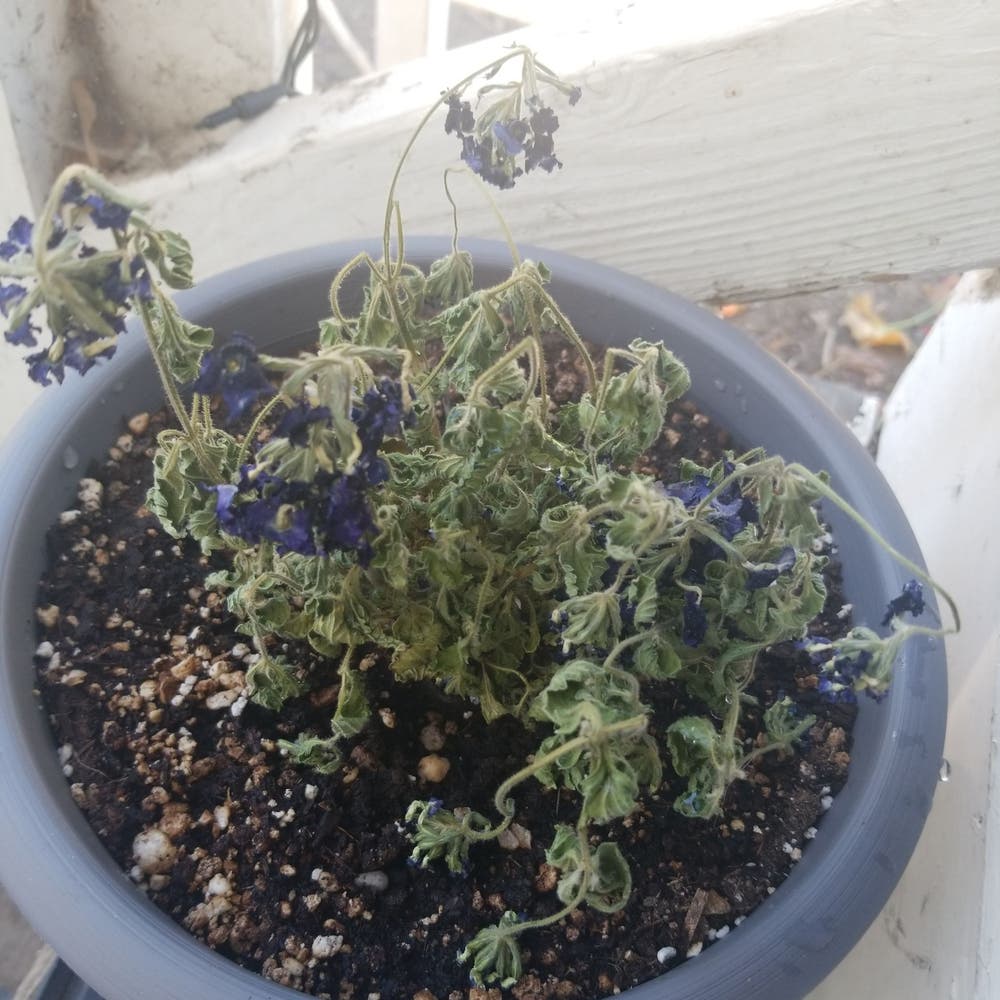
🐝 8 Companions to Boost Your Hardy Verbena's Growth
Verbena rigida
By the Greg Editorial Team
Oct 15, 2024•6 min read
This article was created with the help of AI so we can cover more plants for you. May contain errors. See one? Report it here.
Boost your garden's health and beauty 🌼 by pairing Hardy Verbena with the perfect companion plants!
- 🌼 Companion plants like Lavender and Salvia boost Hardy Verbena's growth and attract pollinators.
- 🌱 Avoid mint and fennel near Hardy Verbena to prevent competition and inhibit growth.
- 🌈 Layering plants and staggered blooms enhance garden aesthetics and extend flowering seasons.
Best Companion Plants for Hardy Verbena
Plant 1: Lavender 🌸
Lavender is an aromatic perennial known for its stunning purple flowers. This plant not only attracts pollinators like bees and butterflies but also deters pests such as aphids and moths, making it a fantastic companion for Hardy Verbena.
Plant 2: Salvia 🌺
Salvia is a colorful flowering perennial that comes in various heights. It attracts hummingbirds and beneficial insects while sharing drought-tolerant characteristics, providing a lovely contrast in texture and height alongside Hardy Verbena.
Plant 3: Echinacea 🌼
Echinacea, or coneflower, features tall stems adorned with daisy-like flowers. This perennial draws in pollinators and beneficial insects, offering vibrant colors that thrive in similar soil and sunlight conditions as Hardy Verbena.
Plant 4: Coreopsis 🌻
Coreopsis is a bright yellow flowering perennial that blooms simultaneously with Hardy Verbena. Its cheerful flowers attract pollinators and are drought-tolerant, making it easy to care for while enhancing the garden's visual appeal.
Plant 5: Gaillardia 🌈
Commonly known as blanket flower, Gaillardia showcases vibrant red and yellow blooms. This plant attracts butterflies and thrives in sunny, dry conditions, providing a colorful contrast to the delicate hues of Hardy Verbena.
Plant 6: Yarrow 🌿
Yarrow features fern-like foliage topped with flat flower clusters. It attracts beneficial insects and is drought-tolerant, requiring minimal maintenance while improving soil health through its deep roots.
Plant 7: Ornamental Grasses 🌾
Ornamental grasses add height and texture to your garden. These tall, flowing plants complement the flowering habit of Hardy Verbena and are also drought-tolerant and low-maintenance.
Plant 8: Marigold 🌼
Marigolds are brightly colored annual flowers that bring vibrancy to any garden. They deter nematodes and other pests, are easy to grow, and perfectly complement the growth of Hardy Verbena.
These companion plants not only enhance the aesthetic appeal of your garden but also promote a healthier growing environment for your Hardy Verbena. Next, let’s explore which plants to avoid near Hardy Verbena to ensure optimal growth.
Plants to Avoid Near Hardy Verbena
Plant 1: Mint 🌱
Mint may seem like a harmless addition to your garden, but its aggressive growth can quickly overshadow Hardy Verbena. This relentless spreader competes fiercely for nutrients and water, leaving your verbena struggling to thrive.
Plant 2: Fennel 🚫
Fennel is another plant to steer clear of when growing Hardy Verbena. It has a reputation for inhibiting the growth of nearby plants, including your beloved verbena, as it competes for both space and resources.
Avoiding these plants will help ensure that your Hardy Verbena flourishes alongside its companions. Next, let’s explore how companion planting can effectively manage pests in your garden.
Pest Management through Companion Planting
Companion planting is a fantastic way to manage pests naturally. By strategically placing certain plants together, you can create a garden that thrives without the heavy use of chemical pesticides.
🌱 How Companion Plants Deter Pests
Many companion plants act as natural repellents. They can reduce pest populations, which helps maintain a healthier garden ecosystem.
Natural Repellents: Plants like lavender and marigolds emit scents that deter unwanted insects. This means fewer pests munching on your hardy verbena.
Balanced Ecosystem: Companion planting fosters a habitat that attracts beneficial insects. These allies help keep harmful pests in check, creating a balanced environment.
🐞 Specific Pest-Repelling Companions for Hardy Verbena
When it comes to hardy verbena, certain companions shine in pest management.
Lavender: This aromatic perennial not only attracts pollinators but also repels pests like aphids. Its fragrant blooms are a win-win for your garden.
Marigolds: Known for their vibrant colors, marigolds are effective against nematodes and other garden pests. Their presence can significantly enhance the health of your hardy verbena.
By incorporating these pest-repelling companions, you can cultivate a thriving garden that minimizes pest issues. This approach not only benefits your plants but also contributes to a more sustainable gardening practice.
Next, let’s explore how to enhance the visual appeal of your garden through thoughtful companion planting.
Visual Appeal and Aesthetic Benefits
🎨 Color Combinations with Hardy Verbena
Pairing Hardy Verbena with vibrant yellows, whites, and blues creates a stunning display in your garden. These colors not only enhance visual appeal but also attract a variety of pollinators, enriching your garden's ecosystem.
🌈 Creating a Harmonious Color Palette
A well-thought-out color palette can transform your garden into a visual masterpiece. By selecting companion plants that complement Hardy Verbena, you can create a harmonious environment that draws in bees and butterflies, making your garden a lively haven.
📏 Height and Texture Considerations in Companion Planting
Layering plants of varying heights adds depth and interest to your garden. Tall plants like Echinacea can provide a striking backdrop for the shorter Hardy Verbena, creating a dynamic visual experience.
⚖️ Balancing Tall and Short Plants
Achieving visual harmony involves balancing tall and short plants effectively. This not only enhances the aesthetic appeal but also ensures that each plant gets the sunlight it needs, promoting healthy growth.
By thoughtfully considering color and height, you can create a garden that is not only beautiful but also functional. This approach sets the stage for the next topic: understanding seasonal considerations for optimal growth and blooming.
Seasonal Considerations
Best Planting Times for Companions 🌱
Timing is everything when it comes to planting companions for your Hardy Verbena. Early spring is ideal for optimal growth and blooming, allowing your plants to establish themselves before the heat of summer kicks in.
To keep your garden vibrant, consider timing your plantings for staggered blooms. This approach extends the flowering season, ensuring a continuous display of color throughout the growing months.
Seasonal Growth Patterns of Hardy Verbena and Companions 📈
Understanding the growth cycles of Hardy Verbena and its companions is key to maximizing garden health and aesthetics. Each plant has its own rhythm, and recognizing these patterns helps you create a thriving ecosystem.
Plan for seasonal changes in light and moisture needs. As the seasons shift, so do the requirements of your plants, making it essential to adapt your care routine accordingly.
By aligning your planting strategies with these seasonal considerations, you’ll cultivate a flourishing garden that delights the senses year-round. Next, let’s explore how to enhance visual appeal and aesthetic benefits in your garden design.
⚠️ Safety First
This content is for general information and may contain errors, omissions, or outdated details. It is not medical, veterinary advice, or an endorsement of therapeutic claims.
Always consult a qualified healthcare professional before using any plant as food, medicine, or supplement.
Never eat any plant (or feed one to pets) without confirming its identity with at least two trusted sources.
If you suspect poisoning, call Poison Control (800) 222-1222, the Pet Poison Helpline (800) 213-6680, or your local emergency service immediately.
Spotted an error? Please report it here.
Elevate your Hardy Verbena's growth with perfect companions 🌼 like lavender and salvia, and let Greg guide you with tailored care tips and reminders for a thriving garden!