🌸 When and How to Repot Your Hardy Verbena
Verbena rigida
By the Greg Editorial Team
Oct 15, 2024•7 min read
This article was created with the help of AI so we can cover more plants for you. May contain errors. See one? Report it here.
Transform your garden 🌼 by recognizing when your hardy verbena needs repotting for vibrant growth and beauty!
- 🌱 Root bound signs include roots out of drainage holes; repot when noticed.
- 🌼 Stunted growth and yellowing leaves indicate your hardy verbena needs more space.
- 🕒 Repot in early spring or fall for optimal growth and recovery.
Signs That Your Hardy Verbena Needs Repotting
🌱 Root Bound Indicators
One of the first signs that your hardy verbena needs repotting is when you notice roots growing out of the drainage holes. This indicates that the plant has outgrown its current pot and is searching for more space.
Another clear indicator is when roots start circling the pot's interior. This behavior suggests that the plant is becoming root-bound, which can hinder its growth and overall health.
⚠️ Plant Health Symptoms
Keep an eye out for stunted growth or yellowing leaves. These symptoms often signal that the plant is struggling due to limited root space or nutrient availability.
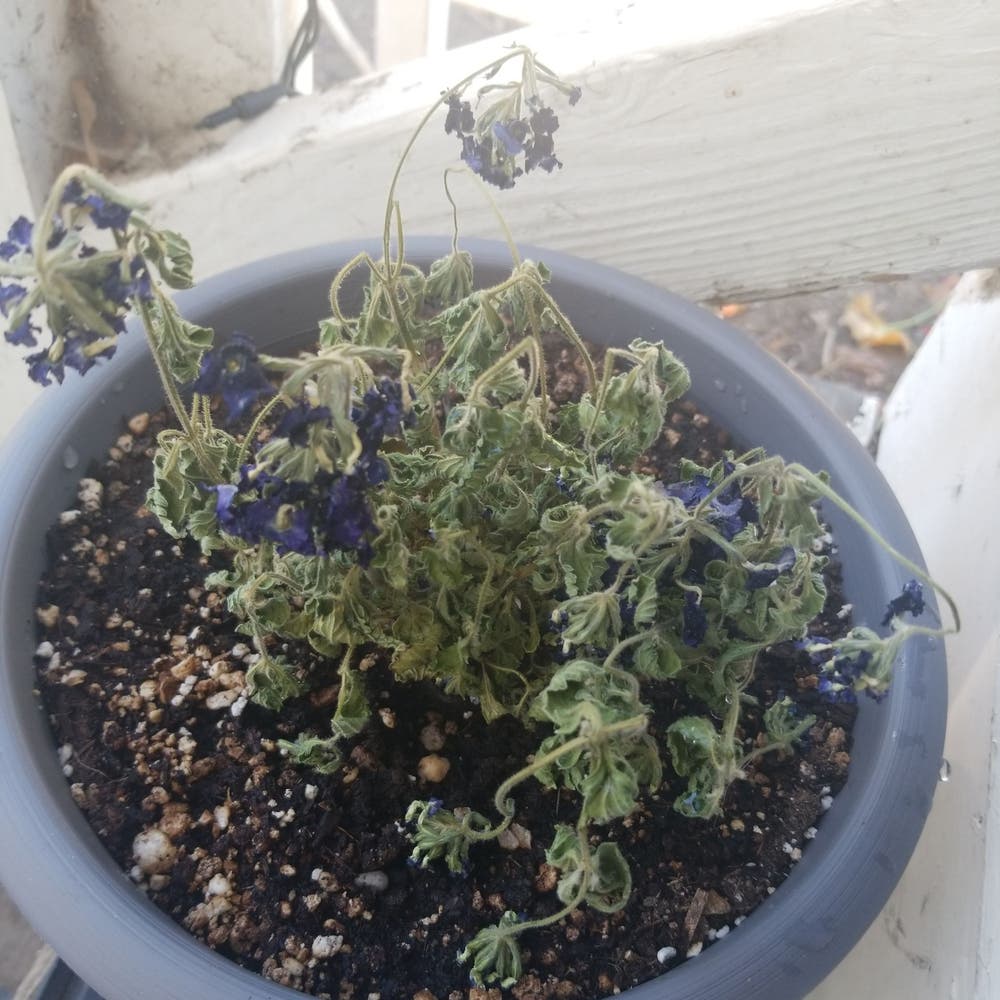
If your hardy verbena wilts despite adequate watering, it’s a red flag. This can happen when the roots are too cramped to absorb moisture effectively.
🍂 Seasonal Changes
During the blooming season, a decline in flowering or reduced vigor can also indicate that your plant needs a new home. If your hardy verbena isn’t thriving as it once did, it might be time to consider repotting.
Recognizing these signs early can help you maintain a healthy and vibrant hardy verbena. By acting promptly, you can ensure your plant continues to flourish and bring beauty to your garden.
Next, let’s explore the best times of year to repot your hardy verbena for optimal results.
Best Time of Year to Repot Hardy Verbena
Optimal Seasons 🌱
Timing is everything when it comes to repotting your hardy verbena. The best windows are early spring, just before new growth kicks in, and fall, after the blooming has wrapped up.
Repotting during these seasons allows your plant to adjust without the stress of competing growth or blooming demands. This strategic timing sets the stage for a healthy transition.
Weather Considerations ☁️
Weather plays a crucial role in the repotting process. Avoid repotting during extreme heat or frost, as these conditions can shock your plant and hinder recovery.
Stable temperatures are essential for your hardy verbena to thrive post-repotting. Aim for mild weather to ensure your plant settles in comfortably and continues to flourish.
With the right timing and weather, your hardy verbena will be ready to thrive in its new home. Next, let’s dive into the step-by-step guide for repotting!
Step-by-Step Guide to Repotting Hardy Verbena
Repotting your hardy verbena can seem daunting, but with the right approach, it’s a straightforward process. Here’s a step-by-step guide to help you through it.
1. Gather Necessary Materials 🛠️
Start by collecting all the essentials: a new pot, a suitable soil mix, and tools like a trowel and gloves. Having everything on hand makes the process smoother.
2. Prepare the New Pot 🪴
Ensure your new pot has adequate drainage holes to prevent waterlogging. If you're reusing a pot, give it a good clean to eliminate any potential pathogens.
3. Remove the Hardy Verbena from Its Current Pot 🌱
Gently loosen the soil around the edges of the pot. Support the base of the plant as you lift it out to avoid any damage.
4. Inspect the Root System 🔍
Take a close look at the roots. Trim any damaged or dead roots and loosen any tightly bound roots to encourage healthy growth.
5. Place the Plant in the New Pot 🌼
Position the hardy verbena at the same depth it was in the previous pot. Fill in with your soil mix, ensuring there are no air pockets that could hinder root growth.
6. Water Thoroughly 💧
After planting, water the verbena thoroughly to help settle the soil around the roots. This step is crucial for establishing a strong foundation.
7. Label the Pot 🏷️
Finally, label your pot with the date and care instructions. This will help you keep track of your plant’s needs as it settles into its new home.
By following these steps, you’ll set your hardy verbena up for success in its new pot. Now that you know how to repot, let’s explore the best pot material options to enhance your plant's growth.
Pot Material Options
Choosing the right pot material for your hardy verbena can significantly impact its growth and health. Each material has its unique benefits and drawbacks.
🥇 Pros and Cons of Each Pot Material
Ceramic
Ceramic pots are visually appealing and provide excellent insulation for roots. However, they can be heavy and may retain moisture, which could lead to overwatering issues.
Plastic
Plastic pots are lightweight and affordable, making them a popular choice. They offer good drainage options but can be less durable and may heat up quickly in direct sunlight.
Terracotta
Terracotta pots excel in drainage and are breathable, which is great for root health. On the downside, they are prone to cracking and can dry out faster than other materials.
📏 Recommended Pot Sizes and Shapes
When repotting, choose a pot that is 1-2 inches larger in diameter than the current one. Shallow pots are preferred due to the hardy verbena's shallow root system, allowing for better growth and stability.
Selecting the right pot material and size is crucial for your plant's success. With the right choices, your hardy verbena can thrive beautifully.
Next, let’s explore common mistakes to avoid during the repotting process.
Common Mistakes in Repotting Hardy Verbena
🌱 Overpotting vs. Underpotting
Repotting can be a double-edged sword. Overpotting your hardy verbena can lead to excess soil moisture, which often results in root rot.
On the flip side, underpotting can stunt growth and cause root-bound symptoms. Finding the right pot size is crucial for your plant's health.
🧐 Ignoring Root Health During Repotting
One of the biggest mistakes is neglecting root health. Always inspect and trim any damaged or dead roots during the repotting process.
Ignoring this step can lead to long-term issues, including poor growth and plant decline.
🚰 Not Considering Drainage Needs
Drainage is vital for healthy plants. Poor drainage can cause root rot and ultimately lead to plant decline.
Choosing the right pot material is essential. Ensure your pot has adequate drainage holes and is made from a material that allows for proper airflow.
By avoiding these common pitfalls, you can ensure your hardy verbena thrives in its new home. Next, let’s explore how to troubleshoot any issues that may arise after repotting.
Troubleshooting After Repotting Hardy Verbena
🌱 What to Do If Hardy Verbena Wilts After Repotting
If your Hardy Verbena starts to wilt after repotting, don’t panic. First, check the soil moisture and drainage; overwatering can lead to wilting.
Adjust your watering schedule based on how the plant responds. If the soil feels too wet, allow it to dry out before watering again.
🚨 Signs of Root Rot and How to Prevent It
Keep an eye out for yellowing leaves and mushy roots, as these are classic signs of root rot. This condition often stems from poor drainage or overwatering.
To prevent root rot, ensure your pot has adequate drainage holes and adopt a consistent watering routine. Let the top inch of soil dry out before watering again.
🌞 How to Encourage Recovery After Repotting
To help your Hardy Verbena bounce back, provide optimal light and temperature conditions. A warm, bright spot will encourage new growth.
Additionally, monitor for pests and diseases during the recovery phase. Early detection can make a significant difference in your plant's health.
By following these troubleshooting tips, you can ensure your Hardy Verbena thrives after repotting. Next, let’s explore common mistakes to avoid during this process.
⚠️ Safety First
This content is for general information and may contain errors, omissions, or outdated details. It is not medical, veterinary advice, or an endorsement of therapeutic claims.
Always consult a qualified healthcare professional before using any plant as food, medicine, or supplement.
Never eat any plant (or feed one to pets) without confirming its identity with at least two trusted sources.
If you suspect poisoning, call Poison Control (800) 222-1222, the Pet Poison Helpline (800) 213-6680, or your local emergency service immediately.
Spotted an error? Please report it here.
Repot your hardy verbena like a pro 🌱 by using Greg's tailored reminders and expert tips to keep your plant thriving in its new home!