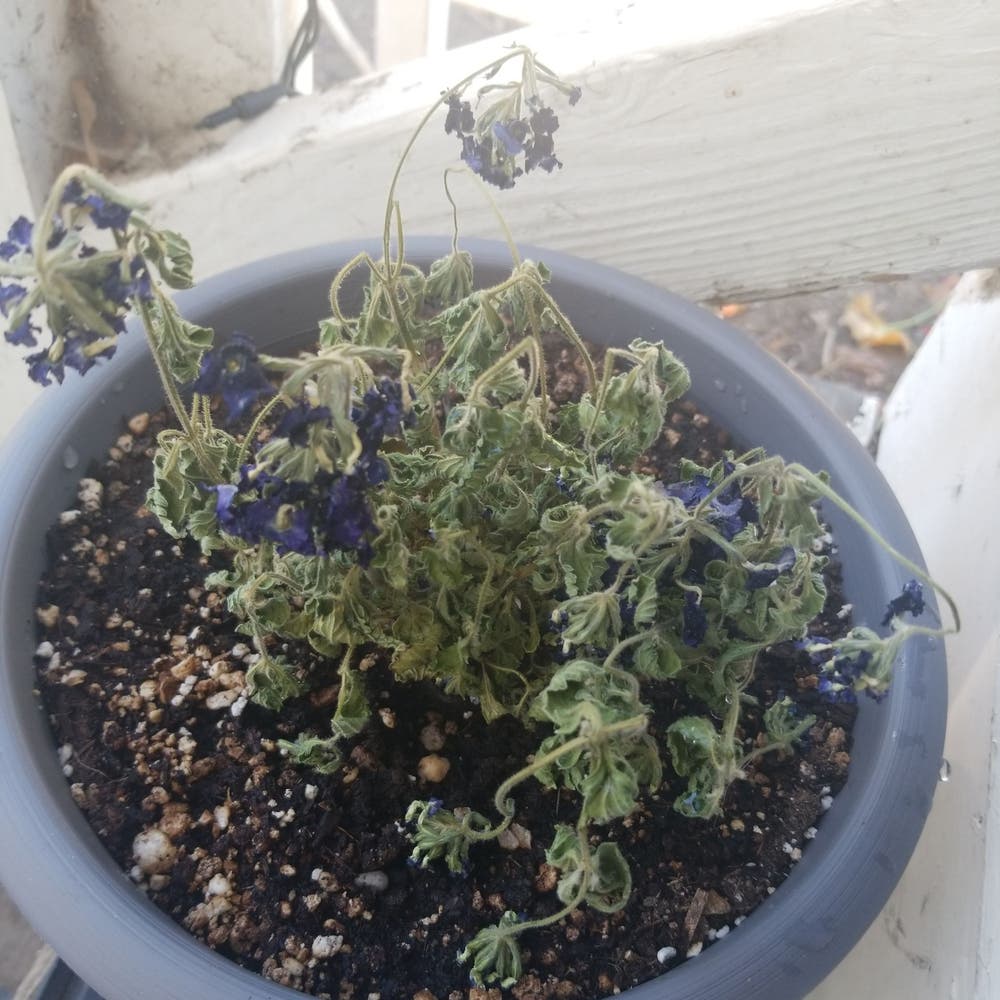
🌼 8 Easy Ways to Pollinate Hardy Verbena
Verbena rigida
By the Greg Editorial Team
Oct 15, 2024•5 min read
This article was created with the help of AI so we can cover more plants for you. May contain errors. See one? Report it here.
Boost your garden's health and beauty by mastering Hardy Verbena's pollination secrets! 🌸
- 🌸 Hardy Verbena attracts bees, butterflies, and hummingbirds with vibrant colors and sweet nectar.
- 🌱 Self-pollination ensures seed production, while cross-pollination boosts genetic diversity.
- 🌼 Create a pollinator-friendly garden by planting diverse species and avoiding pesticides.
Flower Structure
🌸 Description of Flower Anatomy
Hardy Verbena features small, tubular flowers that cluster together in dense formations. These vibrant blooms predominantly showcase shades of purple and pink, which are particularly appealing to a variety of pollinators.
The arrangement of these flowers creates a striking visual cue, guiding pollinators to their nectar-rich centers. This clustering not only enhances visibility but also maximizes the chances of attracting the right visitors.
🐝 Role of Flower Anatomy in Pollination
The anatomy of Hardy Verbena plays a crucial role in its pollination strategy. Self-pollination occurs when pollen from the anthers falls directly onto the stigma of the same flower, ensuring seed production even in the absence of external pollinators.
However, cross-pollination is equally vital. The flower's design attracts various pollinator species, facilitating the transfer of pollen between different flowers. This interaction boosts genetic diversity, which is essential for the resilience of the plant population.
Understanding these mechanisms can enhance your gardening efforts, ensuring that your Hardy Verbena thrives and contributes to the local ecosystem. Next, we’ll explore the pollination process in detail, including the fascinating roles of various pollinators.
Pollination Process
Explanation of Self-Pollination 🌼
Self-pollination occurs when pollen from the anthers falls directly onto the stigma of the same flower. This mechanism ensures that flowers can reproduce even in the absence of pollinators.
The benefits of self-pollination include increased seed set and the potential for genetic diversity through occasional cross-pollination. This adaptability is crucial for Hardy Verbena's survival.
Identification of Primary Pollinators 🐝
Bees are the primary pollinators for Hardy Verbena, transferring pollen while foraging for nectar. Their role is vital, as they help ensure the plant's reproductive success.
Butterflies are also attracted to the flower's vibrant colors and unique shape. Moths and hummingbirds contribute to pollination during nighttime and daytime, respectively, showcasing the diverse range of pollinators that Hardy Verbena attracts.
Attraction Mechanisms for Pollinators 🍯
Hardy Verbena produces sweet nectar, serving as a delicious food source for pollinators. This nectar is a significant draw for bees and butterflies alike.
The flower's bright colors and dense clusters act as visual cues, guiding pollinators to their next meal. Additionally, the fragrance emitted by the flowers further entices various pollinator species, creating a welcoming environment for them.
By understanding these mechanisms, gardeners can enhance their planting strategies to support pollination efforts effectively. This knowledge sets the stage for exploring hand pollination techniques, ensuring that every flower has the best chance to thrive.
Hand Pollination Techniques ((difficulty:moderate))
Step-by-Step Instructions for Hand Pollination 🌼
Hand pollination can be a rewarding way to ensure your Hardy Verbena thrives. Here’s how to do it effectively.
Identify Male and Female Flower Parts:
Start by locating the male parts, known as anthers, which contain the pollen. The female part is the stigma, where the pollen needs to be deposited.Collecting Pollen:
Use a small brush or cotton swab to gently gather pollen from the anthers. This method minimizes damage to the flower while ensuring you collect enough pollen.Transferring Pollen:
Carefully apply the collected pollen to the stigma of the same flower or another flower. This step is crucial for successful fertilization.Timing:
Perform this process during peak flowering periods for maximum effectiveness. Pollination is most successful when flowers are fully open and ready to receive pollen.
Hand pollination not only boosts seed production but also enhances genetic diversity. By taking these steps, you can actively contribute to the health and vitality of your Hardy Verbena.
Why Hand Pollination Matters 🐝
In a world where pollinators face numerous challenges, hand pollination serves as a backup plan. It ensures that your plants can still thrive, even when natural pollinators are scarce.
As you engage in this process, you’ll find a deeper connection to your garden. The act of nurturing your plants through hand pollination is both fulfilling and educational.
Next, let’s explore how to create a pollinator-friendly environment to support these essential creatures.
Supporting Pollinators
🌼 Creating a Pollinator-Friendly Environment
To support pollinators effectively, start by planting a variety of flowering species. This diversity ensures a continuous food source, attracting different pollinators throughout the growing season.
Avoid using pesticides that can harm beneficial insects. Instead, opt for natural pest control methods to keep your garden thriving and safe for pollinators.
🌿 Suggested Companion Plants
Consider adding lavender to your garden. Its fragrant blooms are a magnet for bees and butterflies, enhancing the overall pollination process.
Marigolds are another excellent choice. They not only deter pests but also attract beneficial insects, creating a balanced ecosystem.
Don’t overlook other flowering herbs like thyme and oregano. These plants enhance biodiversity and provide additional food sources for pollinators, making your garden a haven for these vital creatures.
By creating a welcoming environment and choosing the right companion plants, you can significantly boost pollination success in your garden. This proactive approach not only benefits your Hardy Verbena but also supports the broader ecosystem.
Next, let’s explore the common challenges faced in the pollination process and how to overcome them.
Pollination Challenges
Common Obstacles to Successful Pollination 🌧️
Pollination can be tricky for Hardy Verbena due to several environmental factors. Extreme temperatures and humidity levels can deter pollinators, while a lack of suitable species nearby may leave flowers unattended.
Competition from other flowering plants is another hurdle. When more attractive blooms are present, they can easily draw pollinators away from your Hardy Verbena.
Solutions for Overcoming Challenges 🌼
To enhance pollination success, start by planting in optimal conditions. Ensure your Hardy Verbena has well-drained soil and full sun exposure to thrive.
Creating habitats for pollinators is also crucial. By providing shelter, you can encourage beneficial insects to take up residence in your garden.
Timing your plantings is equally important. Ensure that your Hardy Verbena flowers coincide with peak pollinator activity for the best results.
With these strategies, you can create a thriving environment that supports both your plants and the pollinators they rely on. This sets the stage for a fruitful pollination process, leading us to explore how to support these vital creatures further.
⚠️ Safety First
This content is for general information and may contain errors, omissions, or outdated details. It is not medical, veterinary advice, or an endorsement of therapeutic claims.
Always consult a qualified healthcare professional before using any plant as food, medicine, or supplement.
Never eat any plant (or feed one to pets) without confirming its identity with at least two trusted sources.
If you suspect poisoning, call Poison Control (800) 222-1222, the Pet Poison Helpline (800) 213-6680, or your local emergency service immediately.
Spotted an error? Please report it here.
Unlock the full potential of your Hardy Verbena and attract buzzing pollinators 🐝 with Greg's tailored care reminders that ensure your garden thrives and supports a vibrant ecosystem!