💧 Hardy Verbena Fertilizer: How and When to Use It
Verbena rigida
By the Greg Editorial Team
Oct 15, 2024•7 min read
This article was created with the help of AI so we can cover more plants for you. May contain errors. See one? Report it here.
Boost your Hardy Verbena blooms 🌼 with expert fertilization tips for vibrant, thriving plants!
- 🌱 Use organic or synthetic fertilizers for Hardy Verbena, each with unique benefits.
- 🌼 Fertilize in early spring and mid-summer for optimal blooms and plant health.
- ⚠️ Watch for yellow leaves and sparse blooms as signs your Verbena needs fertilization.
Fertilizer Types
🌱 Organic vs. Synthetic
When it comes to fertilizing Hardy Verbena, you have two main options: organic and synthetic fertilizers. Organic choices like compost, well-rotted manure, and organic granular fertilizers enrich the soil and minimize the risk of nutrient burn.
On the other hand, synthetic fertilizers provide precise nutrient formulations for quick availability. While they can boost growth rapidly, they also carry the risk of over-fertilization if not used carefully.
📊 Recommended N-P-K Ratios
Understanding N-P-K ratios is crucial for optimal plant health. For Hardy Verbena, ideal ratios are 5-10-10 or 10-20-20, which support blooming effectively.
Nitrogen (N) promotes lush foliage, Phosphorus (P) aids in root and flower development, and Potassium (K) ensures overall plant vitality. A balanced ratio is essential to prevent excessive foliage growth that can overshadow blooms.
💧 Slow-Release vs. Liquid Fertilizers
Choosing between slow-release and liquid fertilizers can significantly impact your plants. Slow-release fertilizers offer prolonged nutrient availability and reduce the risk of leaching, making them a solid choice for steady growth.
Conversely, liquid fertilizers are absorbed quickly, perfect for immediate nutrient needs. For the best results, consider combining both types to meet your Hardy Verbena's varying requirements throughout the growing season.
This foundational knowledge about fertilizer types sets the stage for understanding when and how to apply them effectively.
When to Fertilize
Best Time to Fertilize in Spring 🌱
Fertilizing in early spring is crucial as new growth begins. This timing ensures that your Hardy Verbena receives the nutrients it needs right when it starts to thrive.
Soil preparation is equally important. Loosening the soil and ensuring proper drainage will help the fertilizer penetrate effectively, setting your plants up for success.
Mid-Season Fertilization Tips ☀️
Mid-summer is the ideal time for a second application to support sustained blooming. Keep an eye out for signs that your Hardy Verbena may need fertilization, such as yellowing leaves, reduced blooming, or stunted growth.
Signs That Fertilization is Needed 🚨
Visual indicators can tell you a lot about your plant's health. Pale foliage, sparse blooms, and an overall decline in vigor are clear signs that fertilization is necessary.
Regular monitoring is key. By keeping a close watch on your plants, you can intervene promptly and ensure they remain vibrant and healthy.
With a solid understanding of when to fertilize, you're well on your way to nurturing thriving Hardy Verbena. Next, let’s explore how to apply fertilizer effectively for the best results.
How to Apply Fertilizer
Step-by-Step Application Process 🌱
Applying fertilizer correctly is crucial for the health of your Hardy Verbena.
- Choose the Right Fertilizer: Select a fertilizer type that suits your plant's growth stage and soil conditions.
- Measure the Amount: Use the fertilizer label to determine the recommended amount for application.
- Distribute Evenly: Spread the fertilizer around the base of the plant, ensuring it doesn’t touch the stems directly.
- Water Thoroughly: After application, water the area well to help the nutrients penetrate the soil.
Best Practices for Liquid Fertilizer Application 💧
Liquid fertilizers can provide a quick nutrient boost when needed.
- Dilution: Always follow the manufacturer's instructions for proper dilution rates to avoid harming your plants.
- Application Frequency: Aim to apply liquid fertilizer every 4-6 weeks during the growing season for optimal results.
- Timing: For best absorption, apply in the early morning or late afternoon to prevent leaf burn from the sun.
How to Use Slow-Release Fertilizers Effectively ⏳
Slow-release fertilizers offer a steady supply of nutrients over time.
- Application Method: Mix the fertilizer into the top 2-3 inches of soil to ensure even distribution.
- Timing: Apply at the beginning of the growing season to set your plants up for success.
- Monitoring: Regularly check soil moisture levels to confirm that nutrients are being released properly.
By following these guidelines, you can ensure that your Hardy Verbena thrives throughout the growing season. Next, let’s explore how to avoid over-fertilization and its potential pitfalls.
Avoiding Over-Fertilization
🌱 Symptoms of Over-Fertilization
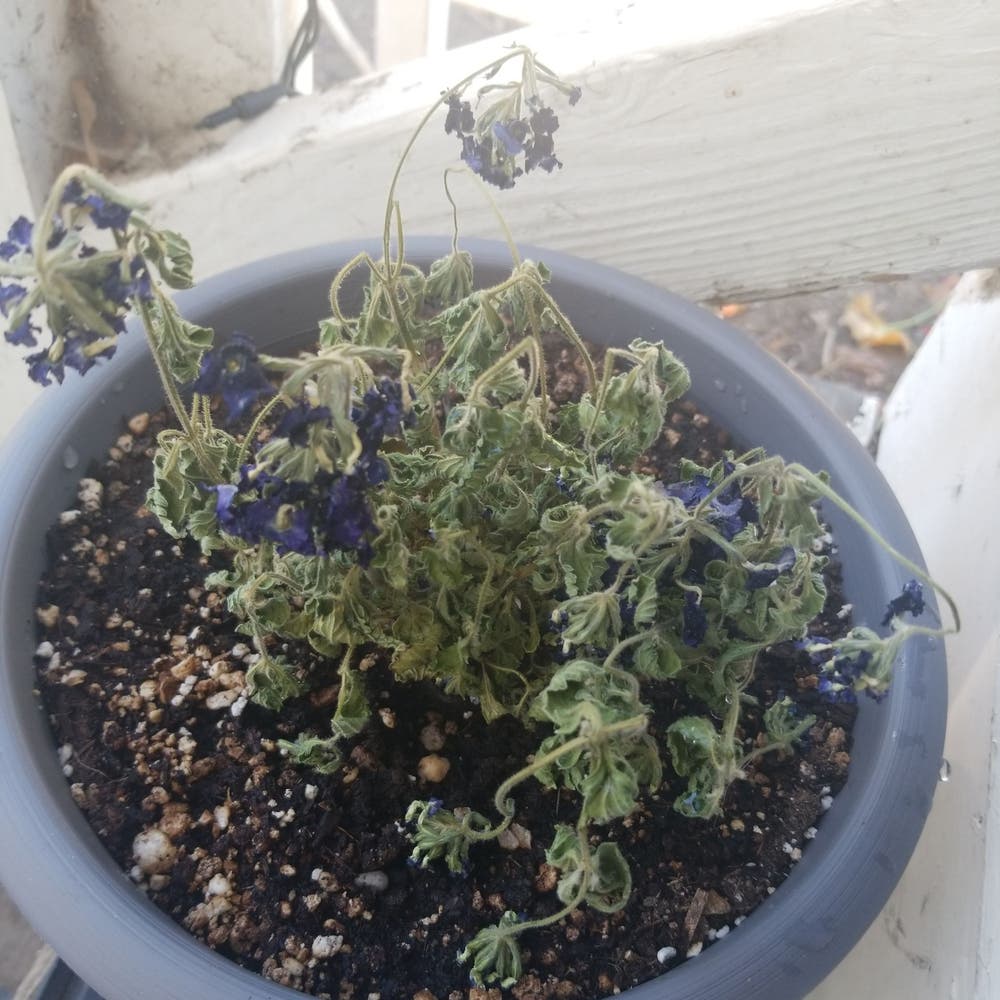
Over-fertilization can lead to several visual signs that indicate your Hardy Verbena is in distress. Look out for leaf burn, where the edges turn brown, and excessive leaf growth with few flowers, which suggests an imbalance in nutrient uptake.
Wilting, even when the soil is adequately watered, is another critical sign. Recognizing these symptoms early is essential to prevent further stress on your plants.
🚨 How to Correct Over-Fertilization Issues
If you suspect over-fertilization, immediate action is crucial. Start by flushing the soil with water to dilute the excess nutrients, helping to restore balance.
For long-term solutions, consider amending the soil with organic matter. This will improve soil health and help your plants recover more effectively.
🧪 Importance of Soil Testing Before Fertilization
Soil testing is a game-changer when it comes to effective fertilization. It helps you understand existing nutrient levels and pH balance, allowing for more informed decisions.
Aim to test your soil at least once a year or before planting. This proactive approach ensures your Hardy Verbena receives the right nutrients at the right time, setting the stage for vibrant blooms and robust growth.
With these strategies in mind, you'll be well-equipped to maintain a healthy fertilization routine for your Hardy Verbena. Next, let’s explore the recommended feeding schedule to keep your plants thriving throughout the growing season.
Fertilizer Frequency and Amount
🌱 Recommended Feeding Schedule
Spring is the perfect time to kickstart your Hardy Verbena's growth with an initial fertilization. As the weather warms and new growth emerges, a second application in mid-summer will help sustain those vibrant blooms.
In the fall, consider an optional feeding to prepare your plants for dormancy. This can give them a little extra boost as they transition into the cooler months.
📏 How Much Fertilizer to Use Per Plant
When it comes to granular fertilizer, a general guideline is to use 1-2 tablespoons per plant. This amount can be adjusted based on the size and growth stage of your Hardy Verbena.
For smaller or younger plants, stick to the lower end of that range to avoid overwhelming them with nutrients.
📈 Adjusting Fertilizer Amounts Based on Growth Stage
Young plants need a gentle touch, so use lower amounts of fertilizer to prevent nutrient burn. As your Hardy Verbena matures and establishes itself, you can increase the fertilizer amounts to support vigorous growth.
Regularly assess your plants' health to determine if adjustments are necessary. Keeping an eye on their development will ensure they thrive throughout the growing season.
With these guidelines in mind, you'll be well-equipped to nourish your Hardy Verbena effectively. Next, let’s explore special considerations for fertilizing in different environments.
Special Considerations
Fertilizing in Containers vs. Garden Beds 🌱
Container plants have unique needs. Due to their limited soil volume, they require more frequent fertilization to ensure they receive adequate nutrients.
In contrast, garden beds can benefit from a more balanced approach. Incorporating organic amendments helps maintain soil health over time.
Seasonal Adjustments for Fertilization 🌸
Spring is the prime time for fertilization. Focus on promoting growth and supporting blooming during this vibrant season.
As fall approaches, it's wise to reduce fertilization. This allows plants to prepare for dormancy and conserve energy for the colder months.
Environmental Factors Affecting Fertilizer Needs 🌍
Soil type plays a crucial role in fertilizer requirements. For instance, sandy soils may need more frequent feeding due to their quick drainage.
Weather conditions also impact fertilization strategies. Hot, dry spells can necessitate additional watering and fertilization to keep plants thriving.
Understanding these special considerations ensures your Hardy Verbena receives the right care throughout its growth cycle. Next, we'll delve into the recommended feeding schedule for optimal results.
⚠️ Safety First
This content is for general information and may contain errors, omissions, or outdated details. It is not medical, veterinary advice, or an endorsement of therapeutic claims.
Always consult a qualified healthcare professional before using any plant as food, medicine, or supplement.
Never eat any plant (or feed one to pets) without confirming its identity with at least two trusted sources.
If you suspect poisoning, call Poison Control (800) 222-1222, the Pet Poison Helpline (800) 213-6680, or your local emergency service immediately.
Spotted an error? Please report it here.
Boost your Hardy Verbena's health with timely fertilization 🌼 by using Greg's personalized reminders and expert tips to ensure your blooms are always at their best!