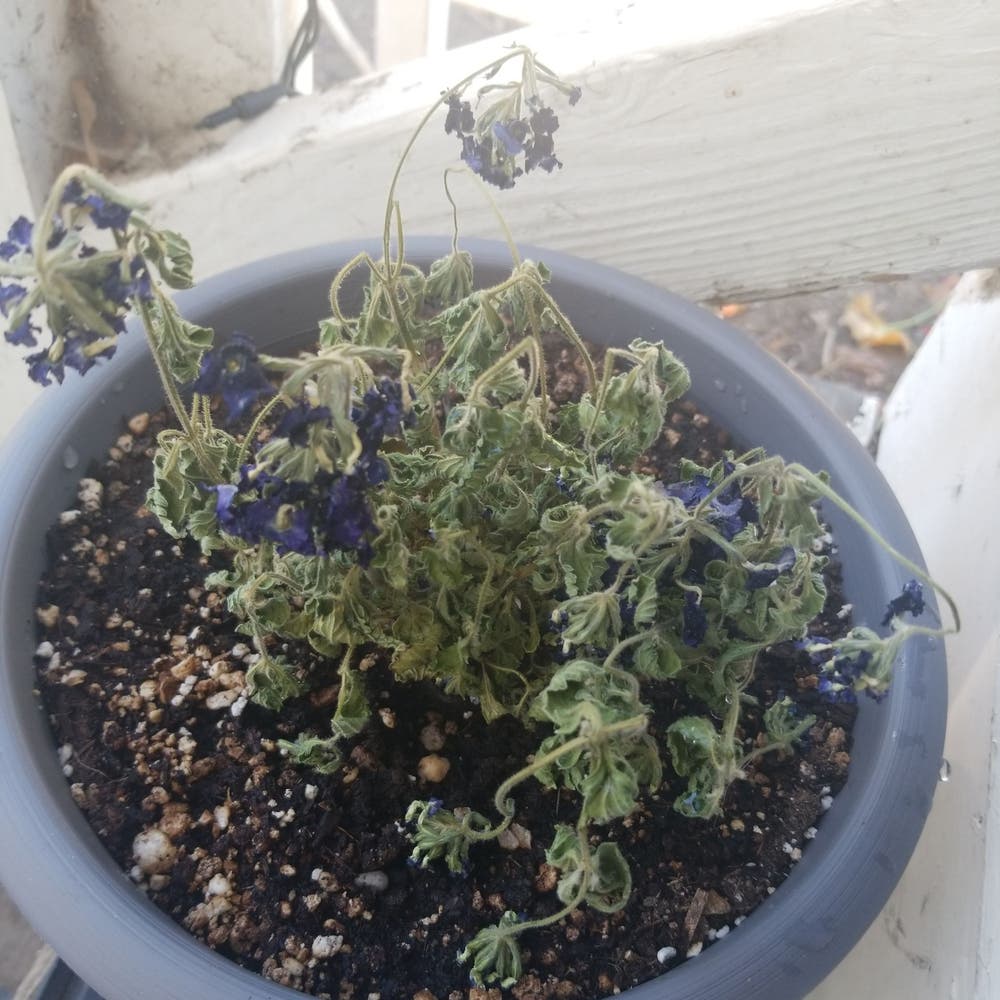
🌸 5 Tips for Fixing Flower Problems in Hardy Verbena
Verbena rigida
By the Greg Editorial Team
Oct 15, 2024•3 min read
This article was created with the help of AI so we can cover more plants for you. May contain errors. See one? Report it here.
Revive your garden blooms 🌼 by tackling common flower problems with these essential solutions for vibrant growth!
- 🌞 Hardy Verbena needs 6-8 hours of sunlight daily for optimal blooming.
- 🌱 Nutritional deficiencies hinder flowering; use balanced fertilizers for best results.
- 💧 Overwatering causes root rot; monitor watering habits to prevent flower drop.
Common Flower Problems
🌸 Failure to Bloom
Potential Causes
Light Requirements
Hardy Verbena thrives in full sun, needing 6-8 hours of sunlight daily. Insufficient sunlight can lead to disappointing blooms.
Nutritional Deficiencies
A lack of essential nutrients, particularly nitrogen, phosphorus, and potassium, can hinder flowering. These nutrients are vital for vibrant blooms.
Soil Conditions
Poor drainage or compacted soil can negatively impact root health and nutrient uptake. Healthy roots are crucial for a flourishing plant.
Solutions
Adjusting Light Exposure
If your plants aren't getting enough sun, consider relocating them to sunnier spots. This simple change can significantly boost blooming potential.
Fertilization
Using a balanced fertilizer with an NPK ratio of 10-10-10 can enhance nutrient levels. Apply this in early spring and mid-summer for optimal results.
🌼 Premature Flower Drop
Potential Causes
Overwatering
Excess moisture can lead to root rot, causing stress and premature flower drop. It's essential to monitor watering habits closely.
Pest Infestations
Pests like aphids and spider mites can weaken plants, leading to bud drop. Regular inspections can help catch these issues early.
Diseases
Fungal infections can cause wilting and flower drop. Identifying symptoms early is key to managing these problems.
Solutions
Proper Watering Techniques
Water deeply but infrequently, allowing the soil to dry out between watering. This practice promotes healthy root development.
Pest Control
Inspect plants regularly and use insecticidal soap or neem oil for treatment. Early intervention is crucial for effective pest management.
Disease Management
Remove affected plant parts promptly and apply fungicides as needed. This helps prevent the spread of diseases.
🌱 Abnormal Flower Development
Potential Causes
Nutrient Imbalance
Excess nitrogen can lead to lush foliage but fewer flowers. Striking the right balance is essential for vibrant blooms.
Pruning Mistakes
Incorrect timing or techniques can hinder flower production. Pruning at the wrong time can stifle growth.
Solutions
Correct Fertilization
Opt for a fertilizer higher in phosphorus, like a 5-10-5 ratio, to promote blooming. This adjustment can make a noticeable difference.
Proper Pruning Methods
Prune after flowering to encourage new growth. Avoid heavy pruning in spring to ensure a robust blooming season.
🐛 Pest and Disease Management
Common Pests Affecting Flowering
Identification and Impact on Flowers
Aphids are small, green insects that suck sap, leading to stunted growth. Spider mites create webbing and cause leaf discoloration.
Control Methods and Prevention Strategies
Regular monitoring and early intervention are vital. Consider using beneficial insects like ladybugs for natural pest control.
🦠 Diseases That Affect Flower Development
Common Diseases and Their Symptoms
Powdery mildew appears as white powdery spots on leaves, reducing vigor. Root rot causes wilting and yellowing leaves due to overwatering.
Treatment Options and Preventive Measures
Improve air circulation and avoid overhead watering to combat diseases. Applying fungicides during humid conditions can serve as a preventive measure.
With these insights, you can tackle common flower problems in Hardy Verbena effectively. Next, let’s explore specific pest and disease management strategies to ensure your plants thrive.
⚠️ Safety First
This content is for general information and may contain errors, omissions, or outdated details. It is not medical, veterinary advice, or an endorsement of therapeutic claims.
Always consult a qualified healthcare professional before using any plant as food, medicine, or supplement.
Never eat any plant (or feed one to pets) without confirming its identity with at least two trusted sources.
If you suspect poisoning, call Poison Control (800) 222-1222, the Pet Poison Helpline (800) 213-6680, or your local emergency service immediately.
Spotted an error? Please report it here.
Transform your Hardy Verbena into a blooming masterpiece 🌸 with Greg's tailored care tips and reminders that ensure your plants thrive and flourish!