🌼 3 Tips for Propagating Your Hardy Verbena
Verbena rigida
By the Greg Editorial Team
Oct 15, 2024•4 min read
This article was created with the help of AI so we can cover more plants for you. May contain errors. See one? Report it here.
Unlock thriving hardy verbena 🌱 with expert propagation tips that ensure your garden flourishes year-round!
- 🌱 Use healthy stem cuttings in late spring for successful hardy verbena propagation.
- 🌿 Well-draining soil and rooting hormone boost cutting success and prevent root rot.
- 🌞 Monitor pests and conditions to ensure thriving plants after propagation.
Propagation Methods
🌱 Stem Cuttings
Step-by-step guide for taking cuttings
To start propagating your hardy verbena, select healthy, non-flowering stems. Aim for cuttings that are 4-6 inches long, making your cut just below a node.
Next, remove the lower leaves, leaving 2-3 leaves at the top. This helps the cutting focus its energy on root development.
Ideal time for taking cuttings
The best time to take cuttings is late spring to early summer when the plant is in its vigorous growth phase. For optimal results, choose a cloudy day to minimize stress on the cuttings.
Using rooting hormone
Using rooting hormone can significantly enhance your success rate. Simply dip the cut end of your stem in the hormone before planting it in soil.
Potting and care after cutting
For potting, use a well-draining potting mix to prevent root rot. Keep the soil consistently moist but not soggy, and place your cuttings in indirect sunlight until they develop roots.
🌾 Seed Propagation
Collecting seeds
Timing is crucial for seed collection. Aim to gather seeds in late summer when the flower heads have turned brown.
You can gently shake or cut the flower heads to collect the seeds effectively.
Preparing seeds for planting
Before planting, clean the seeds to remove any debris. Consider stratification, a cold treatment lasting 2-4 weeks, to enhance germination rates.
Soil and watering requirements
A well-draining, sandy loam soil is preferred for planting seeds. After sowing, lightly water the area and keep the soil moist until germination occurs.
Timing for sowing seeds
For indoor sowing, plan to start 6-8 weeks before the last frost. If sowing outdoors, wait until after the last frost date when the soil has warmed up.
✂️ Division Propagation
Identifying when to divide plants
Look for signs like overcrowding or reduced flowering to know when to divide your plants. The best times for division are early spring or fall, when the plants are actively growing.
Tools needed for division
Essential tools for division include a sharp spade, garden fork, and pruning shears. Always sterilize your tools to prevent disease transmission.
Step-by-step division process
- Water the plant a day before division to reduce stress.
- Carefully dig around the plant to lift it from the soil.
- Gently separate the root ball into sections, ensuring each has roots and shoots.
- Replant divisions immediately in prepared soil.
Post-division care tips
After division, keep the soil consistently moist for the first few weeks. Provide full sun for optimal growth and consider light feeding with a balanced fertilizer after a month.
🐛 Common Challenges
Pests and diseases affecting propagation
Be aware of common pests like aphids and spider mites that can affect your plants. Diseases such as root rot can occur from overwatering, so ensure proper drainage.
Environmental factors impacting success
Temperature fluctuations can impact your propagation efforts. Aim for an ideal range of 65°F to 75°F (18°C to 24°C) and maintain moderate humidity for cuttings and seedlings.
Troubleshooting poor rooting or germination
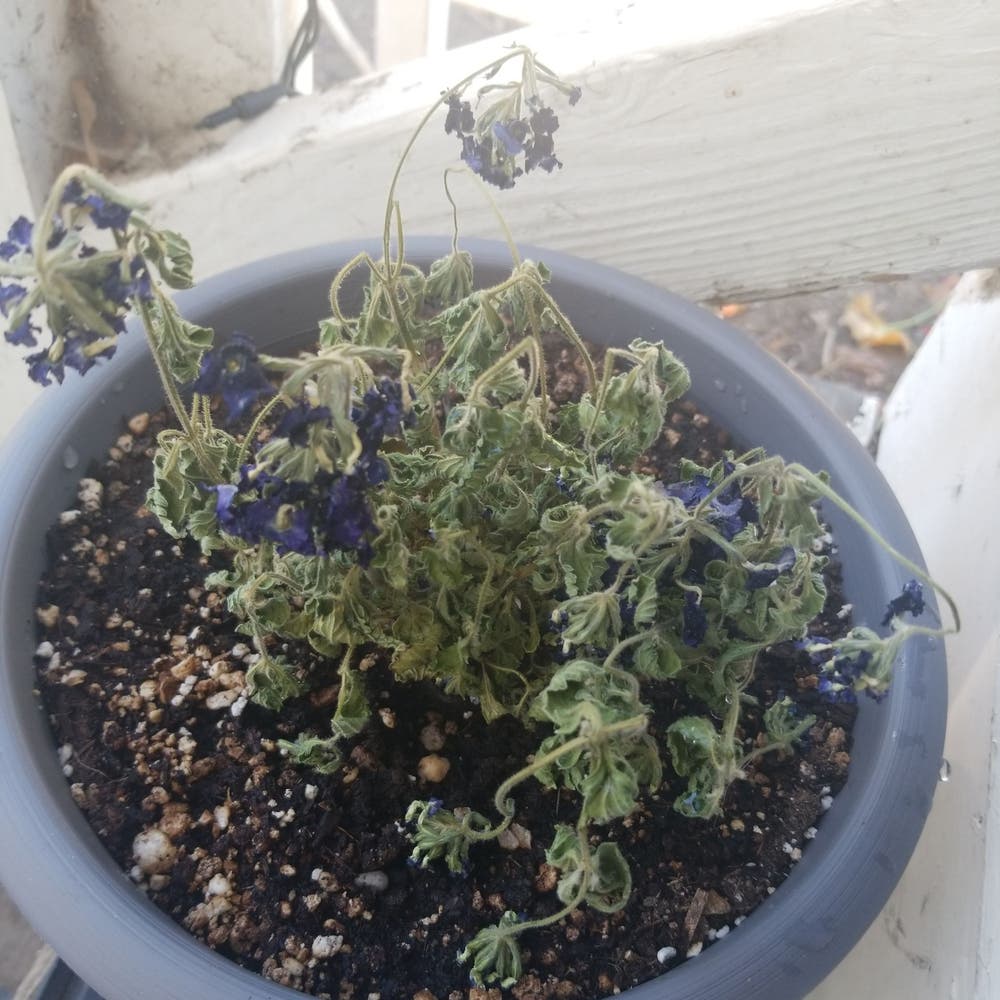
If you notice wilting cuttings or no seed sprouting, it’s time to troubleshoot. Check soil moisture, adjust light exposure, and ensure the temperature is suitable for growth.
🌦️ Seasonal Considerations
Best seasons for each propagation method
Each propagation method has its ideal season. Stem cuttings thrive in late spring to early summer, while seed propagation is best in late winter for indoor sowing and spring for outdoor sowing. Division is optimal in early spring or fall.
Climate considerations
Adjust your watering based on local climate conditions, especially for drought tolerance. Protect young plants from late frosts to ensure their survival.
Adjusting techniques based on seasonal changes
For indoor propagation during shorter days, consider using grow lights. Outdoors, mulch can help retain moisture during the hot months, ensuring your plants stay healthy.
With these methods and tips, you’re well on your way to successfully propagating your hardy verbena!
⚠️ Safety First
This content is for general information and may contain errors, omissions, or outdated details. It is not medical, veterinary advice, or an endorsement of therapeutic claims.
Always consult a qualified healthcare professional before using any plant as food, medicine, or supplement.
Never eat any plant (or feed one to pets) without confirming its identity with at least two trusted sources.
If you suspect poisoning, call Poison Control (800) 222-1222, the Pet Poison Helpline (800) 213-6680, or your local emergency service immediately.
Spotted an error? Please report it here.
Propagate your hardy verbena like a pro 🌿 with Greg's personalized tips and reminders that ensure your cuttings flourish and bloom beautifully!