Optimal Temperature for Your Hardy Verbena ☀️
Verbena rigida
By the Greg Editorial Team
Oct 15, 2024•2 min read
This article was created with the help of AI so we can cover more plants for you. May contain errors. See one? Report it here.
Ensure your hardy verbena thrives 🌱 by mastering its temperature needs for stunning blooms and robust growth!
- 🌡️ Hardy verbena thrives between 60°F to 80°F for optimal growth and blooms.
- ❄️ Temperatures below 50°F trigger dormancy; below 32°F can be fatal.
- 🌞 Monitor temperature changes to prevent stress and ensure plant health.
Temperature Requirements
🌡️ Optimal Temperature Range for Growth
The ideal temperature range for hardy verbena is between 60°F to 80°F (15°C to 27°C). Within this sweet spot, the plant thrives, showcasing vibrant blooms and lush foliage.
Consistent temperatures in this range not only accelerate growth but also enhance the frequency and longevity of flowering. This means more time to enjoy those beautiful blossoms!
❄️ Temperature Thresholds for Dormancy and Death
When temperatures dip below 50°F (10°C), hardy verbena may enter a state of dormancy. This is a natural response, but prolonged exposure to temperatures below 32°F (0°C) can be fatal.
Sudden drops in temperature can shock the plant, leading to irreversible damage. It's crucial to monitor the weather and protect your plants accordingly.
🌿 Signs and Symptoms of Temperature Stress
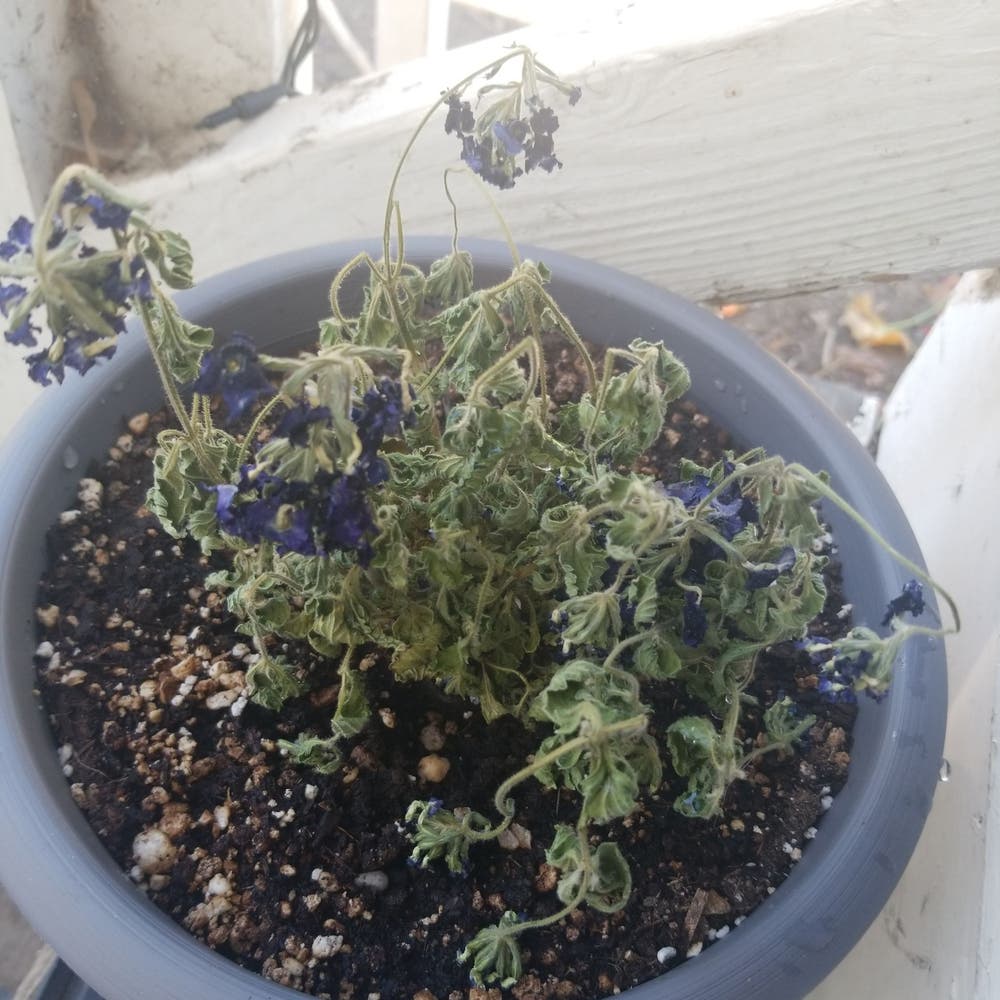
Keep an eye out for leaf discoloration, as yellowing or browning leaves are primary indicators of temperature stress. Wilting leaves that droop or become limp also signal that your plant is struggling.
You might notice stunted growth or a failure to bloom, along with premature flower drop under extreme conditions. These symptoms can be alarming, but they offer a chance to intervene.
⚠️ Causes of Temperature Stress
Temperature stress can stem from various factors. Cold snaps, or sudden drops in temperature, can shock hardy verbena, while heat waves with prolonged exposure above 90°F (32°C) can lead to significant stress.
Inconsistent temperature fluctuations, swinging rapidly between hot and cold, can exacerbate these symptoms. Understanding these causes helps in managing your plant's health.
🛡️ Mitigating Temperature Stress
🧣 Protective Measures During Extreme Temperatures
To safeguard your hardy verbena during unexpected cold snaps, consider using frost cloths. These coverings provide essential protection against chilling temperatures.
During heat waves, shade cloths can help reduce direct sunlight exposure, keeping your plants cooler and more comfortable. Both measures can make a significant difference in your plant's resilience.
🌳 Best Practices for Planting in Temperature-Sensitive Areas
Choosing the right site is crucial. Look for locations that offer natural temperature moderation, such as areas near walls or under trees.
Timing your planting to align with local temperature patterns can also help avoid stress. This proactive approach sets your hardy verbena up for success in its environment.
With these insights, you're well-equipped to nurture your hardy verbena through temperature challenges. Next, let’s explore how to recognize and respond to specific temperature stress symptoms effectively.
⚠️ Safety First
This content is for general information and may contain errors, omissions, or outdated details. It is not medical, veterinary advice, or an endorsement of therapeutic claims.
Always consult a qualified healthcare professional before using any plant as food, medicine, or supplement.
Never eat any plant (or feed one to pets) without confirming its identity with at least two trusted sources.
If you suspect poisoning, call Poison Control (800) 222-1222, the Pet Poison Helpline (800) 213-6680, or your local emergency service immediately.
Spotted an error? Please report it here.
Keep your hardy verbena thriving 🌡️ by using Greg's personalized care tips and reminders to navigate temperature challenges with ease!