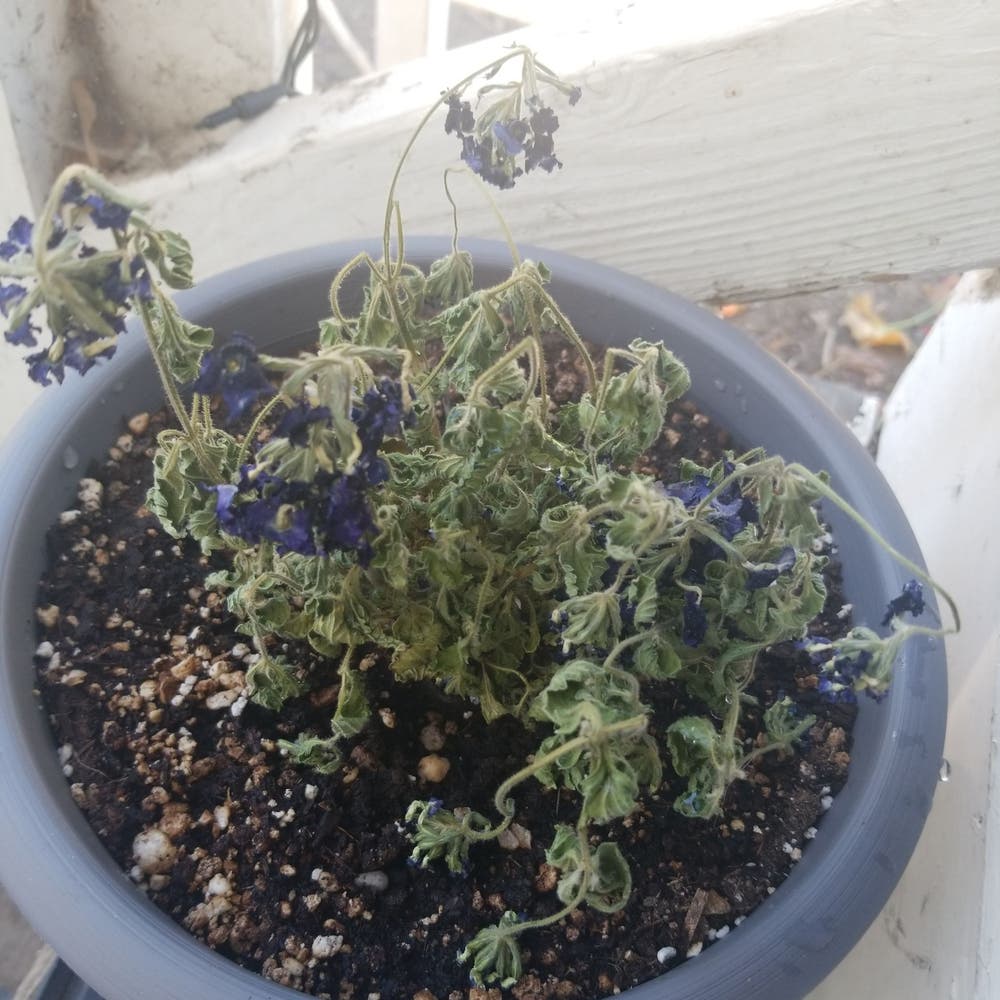
🌸 The Meaning of Hardy Verbena Flowers
Verbena rigida
By the Greg Editorial Team
Oct 15, 2024•5 min read
This article was created with the help of AI so we can cover more plants for you. May contain errors. See one? Report it here.
Unlock a vibrant garden with Hardy Verbena's blooms and discover tips to keep them thriving all season! 🌼
- 🌼 Hardy Verbena blooms from late spring to early fall, offering vibrant colors and resilience.
- 🌞 Full sun and well-drained soil are essential for thriving Hardy Verbena flowers.
- 🐝 Attracts pollinators, enhancing garden biodiversity while continuously producing new blooms.
Flowering Status
Clarification on Flowering Status 🌸
Hardy Verbena is a flowering champion, making it a favorite in ornamental gardens. From late spring to early fall, these vibrant blooms grace your garden, offering a long blooming period that can last several months.
Explanation of Non-Flowering Characteristics 🌿
However, there are times when Hardy Verbena might not show off its flowers. This can happen due to inadequate sunlight, poor soil conditions, or improper care.
Some varieties may even prioritize lush foliage over blooms, which can be a bit disappointing if you're expecting a floral display. Understanding these factors can help you nurture your Hardy Verbena to its full potential.
With the right conditions, you can enjoy a stunning array of flowers that will brighten up any space.
Flower Characteristics
Description of Flower Colors and Structure 🌈
Hardy Verbena flowers are a sight to behold, featuring small, vibrant blooms clustered in dense spikes. You'll commonly find shades of purple, pink, and white, with some varieties showcasing unique hues that can brighten any garden.
Each flower boasts five petals, giving it a charming star-like appearance. This structure not only adds visual interest but also attracts pollinators, enhancing the garden's ecosystem.
Self-Pollination vs. External Pollination 🐝
One of the fascinating traits of Hardy Verbena is its ability to self-pollinate. This means it can reproduce without relying on external pollinators, making it a resilient choice for gardeners.
Self-pollination offers significant advantages, including improved survival rates and adaptability to varying environmental conditions. This characteristic ensures that even in less-than-ideal situations, Hardy Verbena can thrive and continue to bloom.
As we explore the blooming process next, you'll see how these vibrant flowers transition from buds to full bloom, showcasing their beauty throughout the growing season.
Blooming Process
🌱 Outline of Blooming Stages
The blooming process of Hardy Verbena unfolds in three distinct stages:
- Bud Formation: This is the initial stage where tiny buds begin to develop, signaling the start of the flowering journey.
- Blooming Stages: Here, the buds transition into vibrant blooms, showcasing the plant's colorful potential.
- Full Bloom: At this peak stage, the flowers burst into their full glory, displaying rich colors that attract attention.
⏳ Typical Bloom Time and Duration from Bud to Full Bloom
Hardy Verbena typically blooms from late spring to early fall. The time from bud formation to full bloom takes about 4-6 weeks, allowing gardeners to enjoy a prolonged display of color.
🌼 Longevity of Flowers
Each individual flower lasts about 1-2 weeks, providing a brief but stunning visual treat. Throughout the blooming season, the plant continuously produces flowers, ensuring a vibrant garden display for months.
This blooming process not only adds beauty to your garden but also enhances the overall ecosystem, attracting various pollinators. As we explore ways to encourage these blooms, you'll discover how to keep your Hardy Verbena thriving and colorful.
Encouraging Blooms
🌞 Tips for Encouraging Hardy Verbena to Bloom
To get your Hardy Verbena blooming beautifully, start by providing full sun exposure. Aim for 6-8 hours of sunlight daily to ensure vibrant flowers.
Next, ensure your soil is well-drained to prevent root rot. This simple step can make a significant difference in your plant's health.
Regular deadheading is another crucial practice. By removing spent flowers, you encourage the plant to produce new blooms, extending its flowering period.
🌱 Factors Influencing Flowering
Soil quality plays a vital role in blooming. Nutrient-rich, well-draining soil enhances the chances of a robust flowering season.
Watering practices are equally important. Maintain consistent moisture without overwatering to keep your Hardy Verbena thriving.
Lastly, consider fertilization. Using a balanced fertilizer during the growing season can significantly boost flower production, giving your garden a colorful lift.
With these tips and factors in mind, you can create an environment where your Hardy Verbena flourishes. This not only beautifies your garden but also brings joy to your outdoor space.
Ready to learn what happens after the flowering period? Let’s dive into the post-flowering phase!
Post-Flowering
What Happens After the Flowering Period 🌼
After the vibrant display of Hardy Verbena blooms, the plant may enter a dormant phase. This period allows it to conserve energy and prepare for future growth.
Potential for Re-Blooming 🌸
Don't worry! Hardy Verbena has the potential to re-bloom in subsequent seasons. With the right care, you can enjoy its colorful flowers year after year.
Discussion on Whether Hardy Verbena Dies After Flowering 🤔
One of the best features of Hardy Verbena is that it’s a perennial plant. It doesn’t die after flowering; instead, it may lose its foliage during winter.
Regrowth in Spring 🌱
Come spring, you can expect Hardy Verbena to regrow, bringing back its lush greenery and beautiful blooms. This resilience makes it a favorite among gardeners looking for reliable, long-lasting plants.
With an understanding of what happens post-flowering, you can better appreciate the lifecycle of Hardy Verbena. Next, let’s explore some unique aspects of this remarkable plant!
Unique Aspects
🌸 Unusual Characteristics Related to Flowering
Hardy Verbena is remarkable for its ability to self-pollinate, which significantly boosts its resilience in various environments. This trait allows it to thrive even when external pollinators are scarce.
Some varieties of Hardy Verbena stand out with unique flowering characteristics. You might notice larger flower spikes or vibrant color variations that can add a striking element to your garden.
🐝 Trivia About Hardy Verbena's Reproductive Strategy
Interestingly, while Hardy Verbena can self-pollinate, it still attracts a variety of pollinators when in bloom. This dual strategy not only ensures its survival but also enriches the ecosystem.
The flowers of Hardy Verbena are particularly appealing to butterflies and bees. Their presence not only enhances the beauty of your garden but also contributes to greater biodiversity, making your outdoor space a lively habitat.
As you cultivate Hardy Verbena, remember that its unique traits not only benefit the plant but also create a thriving environment for other species. This interconnectedness is a beautiful reminder of nature's balance.
⚠️ Safety First
This content is for general information and may contain errors, omissions, or outdated details. It is not medical, veterinary advice, or an endorsement of therapeutic claims.
Always consult a qualified healthcare professional before using any plant as food, medicine, or supplement.
Never eat any plant (or feed one to pets) without confirming its identity with at least two trusted sources.
If you suspect poisoning, call Poison Control (800) 222-1222, the Pet Poison Helpline (800) 213-6680, or your local emergency service immediately.
Spotted an error? Please report it here.
Unlock the vibrant blooms of Hardy Verbena 🌼 with Greg's tailored care tips that ensure optimal sunlight, soil, and watering for a flourishing garden!