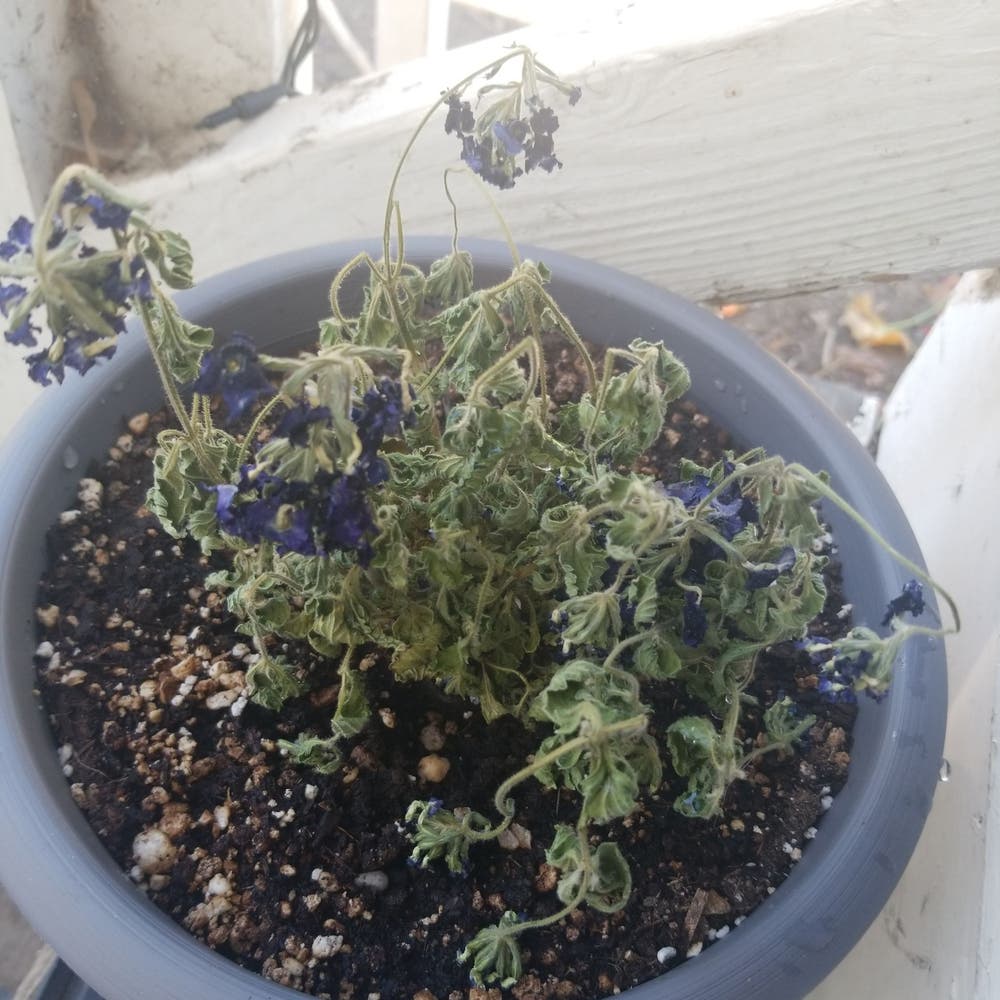
10 Perfect Spots to Grow Hardy Verbena 🌸
Verbena rigida
By the Greg Editorial Team
Oct 15, 2024•4 min read
This article was created with the help of AI so we can cover more plants for you. May contain errors. See one? Report it here.
Master sunlight and soil for stunning Hardy Verbena blooms 🌼 and create a thriving garden oasis!
- ☀️ Hardy Verbena needs 6-8 hours of sunlight daily for vibrant blooms.
- 🌱 Well-drained soil is essential; avoid heavy clay to prevent root rot.
- 🌬️ Protect from strong winds using natural barriers for healthier growth.
Sunlight Exposure Requirements
🌞 Evaluating Sunlight and Shade
Hardy Verbena is a sun-loving plant that thrives on 6-8 hours of direct sunlight each day. This robust exposure is crucial for vibrant blooms and overall health.
While it can tolerate light shade, be aware that this may lead to fewer flowers. If you're aiming for a stunning display, prioritize those sunny spots.
To find the best locations, monitor sunlight patterns throughout the day. Take note of how shadows shift and where the sun hits most effectively. This simple observation can make a significant difference in your plant's performance.
By understanding these sunlight needs, you can ensure your Hardy Verbena flourishes beautifully. Next, let’s explore the ideal soil conditions to support its growth.
Soil Type Preferences
Ideal Soil Conditions 🌱
To grow Hardy Verbena successfully, start with well-drained soil. This is crucial for preventing root rot and ensuring your plants thrive.
Soil Composition 🏗️
Aim for sandy loam or loamy soil, as these types provide the right balance of drainage and nutrients. Heavy clay should be avoided, as it retains too much moisture, which can harm your plants.
Soil pH ⚗️
The ideal soil pH for Hardy Verbena ranges from slightly acidic to neutral, specifically between 6.0 and 7.0. Testing your soil can help you determine if adjustments are needed for optimal growth.
Practical Tips for Soil Preparation 🛠️
- Amendments: If your soil is heavy, consider mixing in compost or sand to improve drainage.
- Testing Kits: Use a simple soil testing kit to check pH levels and make necessary adjustments.
By ensuring the right soil conditions, you set the stage for vibrant, healthy Hardy Verbena. Next, let’s explore how to position these plants for the best growth alongside their companions.
Proximity to Other Plants or Structures
🌱 Companion Planting Strategies
When planning your garden, consider the company your Hardy Verbena will keep. Ideal neighbors include drought-tolerant plants like lavender and salvia, which not only complement Hardy Verbena's needs but also create a visually appealing arrangement.
🚫 Avoid Overcrowding
Space is crucial for healthy growth. Ensure adequate spacing between plants to promote airflow, which helps reduce the risk of diseases. Crowded plants can lead to competition for nutrients and water, stunting growth and flowering.
❌ Incompatible Neighbors
Not all plants play well together. Avoid planting Hardy Verbena near overly aggressive species that may compete for resources. This can lead to stress for your Verbena, hindering its growth and vibrancy.
By carefully selecting companion plants and ensuring sufficient space, you can create a thriving environment for your Hardy Verbena. This thoughtful approach not only enhances the beauty of your garden but also fosters healthier plants overall.
Next, let’s explore how to protect your Hardy Verbena from wind exposure.
Wind Protection Strategies
Minimizing Wind Exposure 🌬️
Strong winds can wreak havoc on your Hardy Verbena. They not only damage the delicate plants but also dry out the soil, making it harder for them to thrive.
Natural Barriers 🌳
To combat this, consider using natural barriers like hedges or fences. These can effectively shield your plants from harsh winds, creating a more stable environment for growth.
Planting Orientation 🌍
Another key strategy is to think about planting orientation. Position your Hardy Verbena in a way that minimizes exposure to prevailing winds, allowing them to flourish without the stress of constant gusts.
By implementing these wind protection strategies, you can ensure your Hardy Verbena remains healthy and vibrant. Next, let’s explore the best locations for planting these resilient beauties, both indoors and outdoors.
Indoor vs. Outdoor Planting
🌞 Best Locations for Hardy Verbena
Finding the right spot for your Hardy Verbena can make all the difference. For indoor planting, aim for bright, south-facing windows that flood the space with sunlight.
🌳 Outdoor Spots
Outdoors, select areas that bask in full sun for at least 6-8 hours daily. Well-drained soil is crucial to keep your plants thriving and prevent root rot.
📅 Seasonal Planting
Timing is everything! The best time to plant Hardy Verbena is in spring, after the last frost. This gives your plants the best chance to establish themselves and flourish.
By carefully choosing the right locations and timing, you can ensure your Hardy Verbena thrives beautifully, whether indoors or outdoors. Next, let’s explore the ideal soil conditions that will support their growth.
⚠️ Safety First
This content is for general information and may contain errors, omissions, or outdated details. It is not medical, veterinary advice, or an endorsement of therapeutic claims.
Always consult a qualified healthcare professional before using any plant as food, medicine, or supplement.
Never eat any plant (or feed one to pets) without confirming its identity with at least two trusted sources.
If you suspect poisoning, call Poison Control (800) 222-1222, the Pet Poison Helpline (800) 213-6680, or your local emergency service immediately.
Spotted an error? Please report it here.
Maximize your Hardy Verbena blooms with smart planting choices 🌞 and let Greg guide you with tailored care reminders and soil testing to ensure your garden thrives!