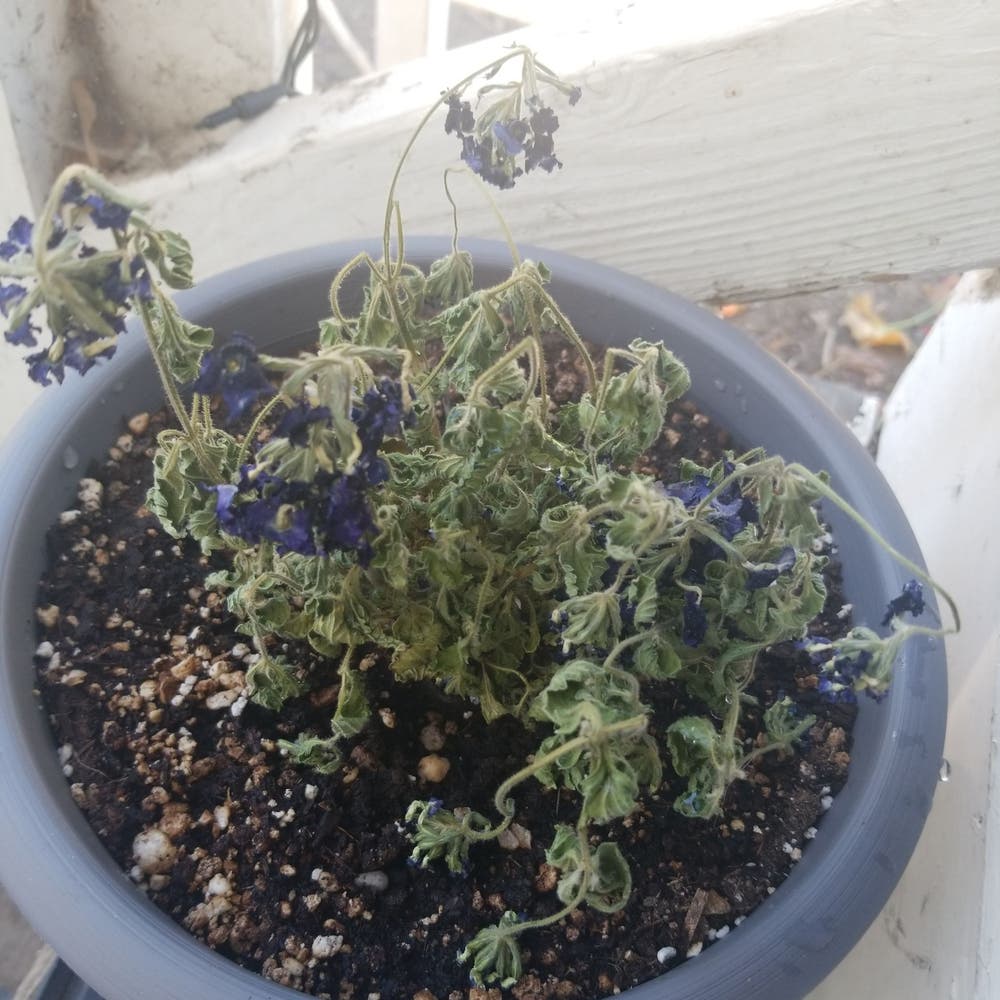
🌼 Top 3 Pot Options to Make Your Hardy Verbena Thrive
Verbena rigida
By the Greg Editorial Team
Oct 15, 2024•7 min read
This article was created with the help of AI so we can cover more plants for you. May contain errors. See one? Report it here.
Ensure your Hardy Verbena thrives by mastering pot size and material choices! 🌿
- 🌱 Pot size impacts growth; use 10-12 inch pots for thriving Hardy Verbena.
- 💧 Ensure proper drainage with 3-5 holes to prevent root suffocation and rot.
- 🔄 Repot in spring when roots emerge from holes; monitor for stress post-repotting.
Pot Size Considerations
Importance of Pot Size 🌱
Choosing the right pot size is crucial for the health of your Hardy Verbena. As your plant matures, it’s essential to transition from smaller pots, typically 4-6 inches, to larger ones around 10-12 inches.
A larger pot allows for better root development, which directly impacts the overall health of the plant. When roots have room to grow, they can absorb more nutrients and water, leading to a more vibrant and thriving Hardy Verbena.
Recommendations for Container Size Adjustments 📏
Start with a small pot when your Hardy Verbena is young. As it grows, monitor its size and be ready to repot when you notice roots emerging from the drainage holes.
Transitioning to a larger pot not only supports root expansion but also helps maintain moisture levels. This balance is key to preventing stress on the plant, ensuring it flourishes throughout the growing season.
Impact of Pot Size on Root Development 🌿
The size of the pot significantly influences root health. A pot that’s too small can lead to root binding, where roots circle around the pot instead of spreading out.
Conversely, a pot that’s too large can retain excess moisture, leading to root rot. Finding that sweet spot is essential for your Hardy Verbena to thrive.
Conclusion 📝
In summary, selecting the right pot size is a fundamental step in caring for your Hardy Verbena. By understanding the importance of pot size and making timely adjustments, you set your plant up for success.
Next, let’s explore the various pot materials that can further enhance your plant's growth.
Pot Materials
Ideal Pot Materials 🌱
Choosing the right pot material for your Hardy Verbena can significantly impact its growth and health. Here’s a breakdown of the most common options.
Clay Pots
Clay pots are a popular choice due to their breathability. They allow air and moisture to circulate, which is essential for healthy root development.
However, they can be heavy and prone to cracking, especially in extreme weather. If you opt for clay, be prepared for some extra weight when moving your plants.
Plastic Pots
Plastic pots are lightweight and budget-friendly, making them a favorite among many gardeners. They retain heat well, which can be beneficial in cooler climates.
On the downside, they may not provide the same level of breathability as clay pots. This can lead to moisture retention issues if not monitored closely.
Other Materials
Ceramic pots offer a stylish alternative, often featuring beautiful glazes. They combine some benefits of clay and plastic but can be more expensive.
Biodegradable pots are another option, ideal for eco-conscious gardeners. They break down over time, enriching the soil but may not last as long as traditional materials.
Summary of Pot Materials 📊
| Material | Pros | Cons |
|---|---|---|
| Clay | Breathable, moisture-regulating | Heavy, prone to cracking |
| Plastic | Lightweight, cost-effective | Poor breathability |
| Ceramic | Aesthetic appeal, durable | More expensive |
| Biodegradable | Eco-friendly, enriches soil | Shorter lifespan |
Choosing the right pot material is crucial for your Hardy Verbena's success. Next, let’s explore the importance of drainage to ensure your plant thrives.
Drainage Considerations
Importance of Drainage 🌊
Proper drainage is crucial for the health of your Hardy Verbena. Drainage holes prevent waterlogging, which can suffocate roots and lead to decay.
Recommended Drainage Specifications 🕳️
Aim for at least three to five drainage holes in the bottom of your pot. Each hole should be about 1/2 inch in diameter to allow excess water to escape efficiently.
Effects of Poor Drainage 🚫
When drainage is inadequate, your Hardy Verbena may show signs of distress. Common symptoms include yellowing leaves, wilting, and stunted growth.
Long-Term Consequences ⏳
Over time, poor drainage can lead to root rot, a serious condition that can kill your plant. Ensuring proper drainage not only keeps your Hardy Verbena thriving but also saves you from future headaches.
Conclusion 📝
In summary, prioritize drainage when selecting a pot for your Hardy Verbena. With the right setup, your plant will flourish, setting the stage for the next topic: repotting guidelines.
Repotting Guidelines
🕒 When and How to Repot
Repotting your Hardy Verbena is essential for its growth and vitality. Timing is crucial; ideally, you should repot during the spring or early summer when the plant is actively growing.
🚩 Signs That Repotting Is Needed
Look for specific indicators that your Hardy Verbena needs a new home. If you notice roots growing out of the drainage holes or the plant appears stunted, it’s time to consider repotting.
📋 Step-by-Step Guide to Repotting Hardy Verbena
Choose the Right Pot: Select a pot that is 2-4 inches larger in diameter than the current one. Ensure it has adequate drainage holes.
Prepare the New Pot: Fill the bottom with fresh potting mix, leaving enough space for the root ball.
Remove the Plant: Gently take the Hardy Verbena out of its current pot. Be careful not to damage the roots.
Loosen the Roots: If the roots are tightly bound, gently tease them apart. This encourages healthy growth in the new pot.
Position the Plant: Place the plant in the center of the new pot. Add potting mix around the sides, ensuring the root ball is level with the top of the pot.
Water Thoroughly: After repotting, give your Hardy Verbena a good drink. This helps settle the soil and reduces transplant shock.
Monitor for Stress: Keep an eye on your plant for a few weeks. Look for signs of stress, like wilting or yellowing leaves, and adjust care as needed.
Repotting can seem daunting, but it’s a rewarding process that helps your Hardy Verbena thrive. With the right timing and technique, your plant will flourish in its new environment, setting the stage for vibrant blooms ahead.
Next, let’s explore some common mistakes in pot selection to ensure your Hardy Verbena continues to thrive.
Common Mistakes in Pot Selection
🚫 Avoiding Common Pitfalls
Choosing the right pot for your Hardy Verbena can be tricky. Two common mistakes are overpotting and underpotting, each carrying its own set of risks.
Overpotting can lead to excess soil that retains too much moisture. This can cause root rot and other health issues for your plant.
On the flip side, underpotting restricts root growth and limits nutrient uptake. Your Hardy Verbena may struggle to thrive if it feels cramped in a too-small pot.
💧 Ignoring Drainage Needs
Another critical factor is drainage. Many gardeners overlook the importance of drainage holes, which are essential for preventing waterlogging.
A good rule of thumb is to ensure your pot has at least one drainage hole for every 6 inches of pot diameter. This helps maintain a healthy moisture balance.
Selecting the wrong pot material can also impact your plant's health. For instance, clay pots are breathable but can crack, while plastic pots are lightweight but may retain too much heat.
🌍 Climate Considerations
Consider your local climate when choosing pot materials. In hot areas, pots that retain moisture can be detrimental, while in cooler climates, materials that insulate well can be beneficial.
By avoiding these common pitfalls, you set your Hardy Verbena up for success. With the right pot selection, your plant can flourish beautifully.
🔄 Transitioning to the Next Topic
Now that you understand the common mistakes in pot selection, let’s dive into the importance of drainage and how it affects your Hardy Verbena's health.
⚠️ Safety First
This content is for general information and may contain errors, omissions, or outdated details. It is not medical, veterinary advice, or an endorsement of therapeutic claims.
Always consult a qualified healthcare professional before using any plant as food, medicine, or supplement.
Never eat any plant (or feed one to pets) without confirming its identity with at least two trusted sources.
If you suspect poisoning, call Poison Control (800) 222-1222, the Pet Poison Helpline (800) 213-6680, or your local emergency service immediately.
Spotted an error? Please report it here.
Keep your Hardy Verbena thriving 🌼 by choosing the right pot size and drainage, and let Greg guide you with tailored care tips for optimal growth!