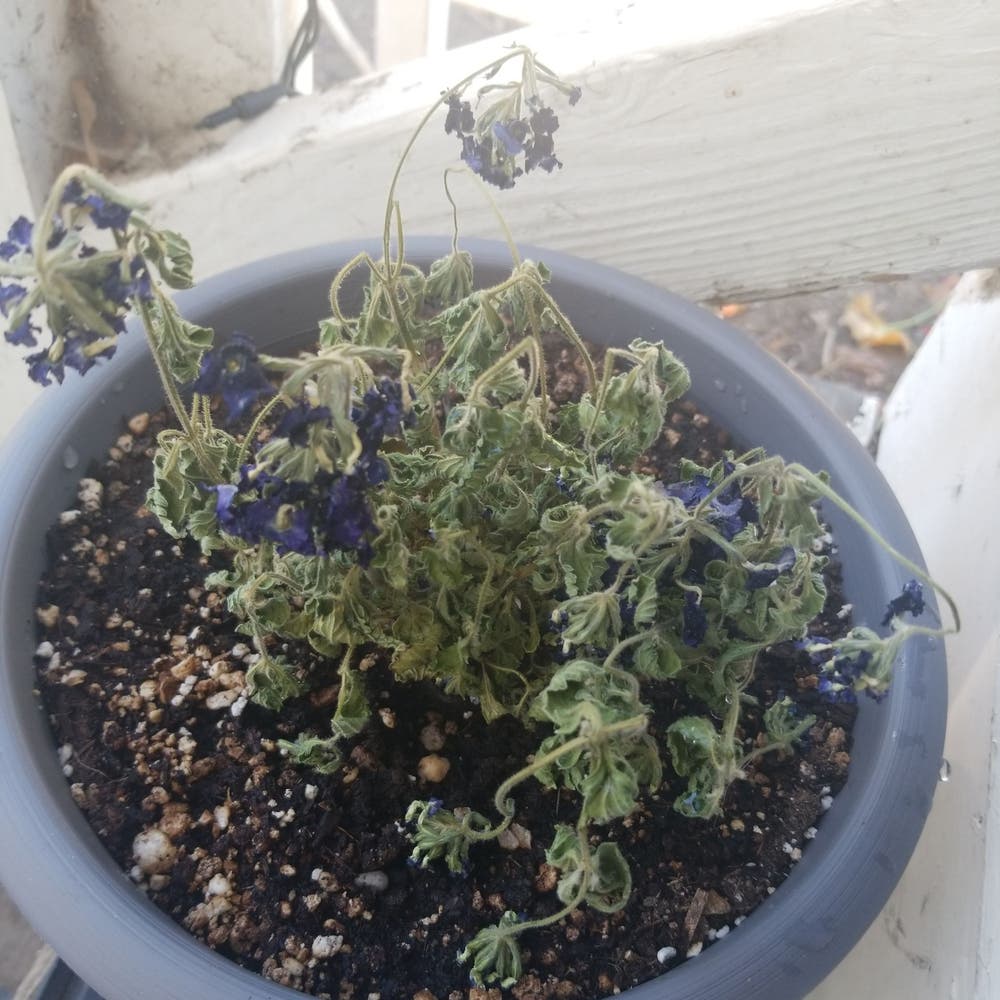
Hardy Verbena Care: Preventing and Treating Root Rot 💧
Verbena rigida
By the Greg Editorial Team
Oct 15, 2024•6 min read
This article was created with the help of AI so we can cover more plants for you. May contain errors. See one? Report it here.
Rescue your Hardy Verbena from root rot with these vital diagnosis and prevention tips! 🌱🛠️
- 🌱 Identify root rot symptoms early: wilting, yellowing leaves, and stunted growth.
- 🧪 Prevent root rot with well-draining soil; use a 2:1:1 peat-perlite-compost mix.
- 🌞 Ensure Hardy Verbena gets at least six hours of sunlight daily for optimal health.
Identifying Root Rot Symptoms
👀 Visual Signs of Root Rot
Recognizing root rot early can save your Hardy Verbena. Look for wilting leaves that droop despite adequate watering; this is a clear sign of distress.
Yellowing leaves often follow, indicating that the plant is struggling. Stunted growth, where you notice a lack of new blooms or foliage, is another critical symptom to watch for.
🔍 Root Examination Techniques
To diagnose root rot accurately, you'll need to examine the roots. Start by safely removing the plant from its pot; gently loosen the soil around the edges to avoid damaging the roots.
Once out, inspect the roots closely. Healthy roots are firm and white, while rotting roots appear brown or black, often mushy and emitting a foul smell.
For this examination, gather a few essential tools: clean scissors for trimming, gloves to protect your hands, and a clean workspace to prevent contamination.
⚠️ Differentiating Root Rot from Other Plant Issues
It's crucial to differentiate root rot from other plant problems. Nutrient deficiencies can mimic root rot symptoms, but they often present with specific visual cues, like discoloration in certain leaf areas.
Pest damage can also confuse the diagnosis. Look for signs of infestation, such as visible bugs or webbing, which differ from the symptoms of root rot. Accurate diagnosis is vital; misidentifying the issue can lead to ineffective treatments and further plant distress.
Understanding these signs will empower you to take the right steps in caring for your Hardy Verbena. Next, we’ll explore how to prevent root rot from occurring in the first place.
Preventing Root Rot
🌱 Importance of Soil Drainage
Well-draining soil is crucial for preventing root rot in Hardy Verbena. Look for a mix that includes components like peat, perlite, and compost, ideally in a ratio of 2:1:1.
To ensure your soil drains properly, you can perform a simple test. Fill a pot with your chosen mix, water it thoroughly, and observe how quickly the water drains out. If it takes longer than 30 minutes, you may need to adjust your mix.
🪴 Recommended Potting Mixes
For optimal growth, consider using a potting mix that combines peat, perlite, and compost. A suggested ratio is 2 parts peat, 1 part perlite, and 1 part compost.
If you prefer commercial options, look for brands that specifically promote drainage. Products labeled as "cactus mix" or "succulent mix" often provide the right balance for Hardy Verbena.
🚿 Watering Techniques to Avoid Overwatering
Watering practices play a significant role in root health. Aim to water your Hardy Verbena when the top inch of soil feels dry, adjusting frequency based on environmental conditions.
Be vigilant for signs of overwatering, such as yellowing leaves or a mushy stem. If you notice these symptoms, reduce your watering immediately to help your plant recover.
☀️ Ideal Growing Conditions
Hardy Verbena thrives in full sun, so ensure it receives at least six hours of direct sunlight daily. This exposure not only promotes growth but also helps prevent diseases.
Soil pH is another factor to consider. Aim for a pH range of 6.0 to 7.0 for optimal health. Additionally, provide adequate spacing between plants to enhance air circulation, reducing the risk of fungal infections.
By following these preventive measures, you can significantly reduce the risk of root rot in your Hardy Verbena. Next, we’ll explore how to treat root rot effectively if it does occur.
Treating Root Rot
🌱 Step-by-Step Treatment Process
Remove the Plant from Its Pot
Start by gently taking the Hardy Verbena out of its pot. This allows you to inspect the roots closely for any signs of rot.Trim Away Affected Roots
Identify the rotting sections, which may appear brown, mushy, or have a foul smell. Use clean scissors to cut away these unhealthy roots, ensuring you leave behind the healthy ones.Disinfecting Tools
After trimming, it’s crucial to disinfect your tools. This step prevents the spread of any pathogens that could harm the plant further.Repotting in Fresh, Well-Draining Soil
Choose a fresh potting mix designed for drainage. Repot the plant, ensuring the roots are spread out and not cramped, which helps promote healthy growth.
🪴 When to Repot Hardy Verbena
Signs Indicating the Need for Repotting
Look for signs like root-bound conditions, where roots are circling the pot, or overall poor health. These indicators suggest it’s time for a new home.Timing Considerations
The best seasons for repotting are spring or early summer. This timing minimizes stress and allows the plant to recover more quickly.
🧪 Use of Fungicides and Other Treatments
Types of Fungicides
Consider using fungicides specifically designed for root rot. Products containing ingredients like azoxystrobin or propiconazole can be effective.Application Methods
Follow the instructions on the label for application. Typically, you’ll apply the fungicide to the soil after repotting to help combat any lingering pathogens.
🌿 Recovery Care for Affected Plants
Watering Adjustments
After treatment, modify your watering routine. Allow the soil to dry out slightly between waterings to prevent future rot.Fertilization Considerations
Wait a few weeks before fertilizing recovering plants. When you do, use a diluted, balanced fertilizer to support new growth without overwhelming the plant.
By following these steps, you can effectively treat root rot and help your Hardy Verbena thrive again. Next, let’s explore how to monitor plant health after treatment to ensure a successful recovery.
Post-Treatment Care
Monitoring Plant Health After Treatment 🌱
After treating root rot, keep an eye on your Hardy Verbena. Look for signs of recovery like new growth and vibrant leaf color.
Patience is key during this phase. Recovery timelines can vary, so give your plant time to bounce back.
Adjusting Care Practices to Prevent Recurrence 🔧
To prevent future issues, establish long-term watering strategies. Consistency is crucial; water your plant based on its needs and environmental conditions.
Consider soil amendments to enhance drainage and aeration. Adding materials like perlite or sand can significantly improve soil health.
Signs of Recovery 🌼
Watch for indicators of health, such as new leaf growth and vibrant colors. Flowering is also a great sign that your plant is thriving again.
Expect a gradual recovery over a few weeks. Understanding this timeline will help you gauge your plant's progress and adjust care as needed.
⚠️ Safety First
This content is for general information and may contain errors, omissions, or outdated details. It is not medical, veterinary advice, or an endorsement of therapeutic claims.
Always consult a qualified healthcare professional before using any plant as food, medicine, or supplement.
Never eat any plant (or feed one to pets) without confirming its identity with at least two trusted sources.
If you suspect poisoning, call Poison Control (800) 222-1222, the Pet Poison Helpline (800) 213-6680, or your local emergency service immediately.
Spotted an error? Please report it here.
Keep your Hardy Verbena thriving 🌼 by recognizing root rot early and using Greg's tailored care tips to ensure your plants flourish with the right watering and soil strategies!