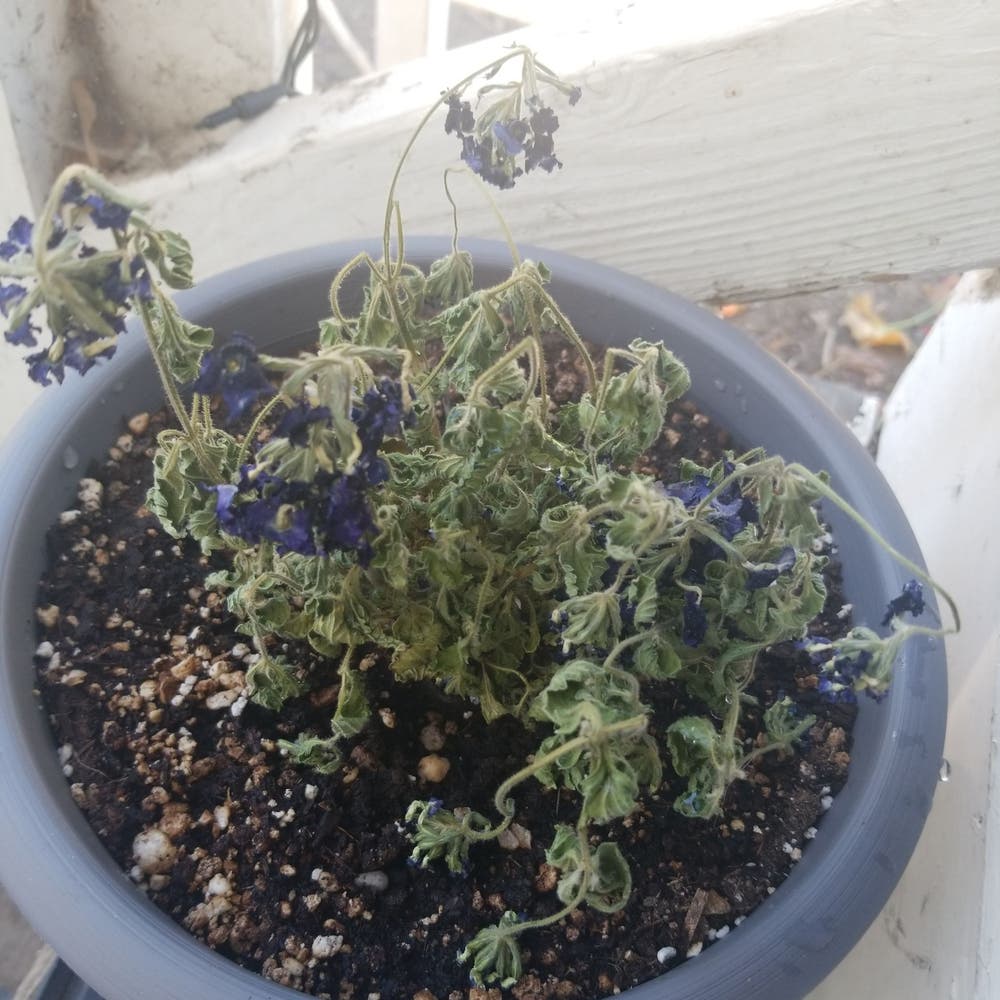
🍃 How to Fix Leaves Falling Over on Your Hardy Verbena
Verbena rigida
By the Greg Editorial Team
Oct 15, 2024•5 min read
This article was created with the help of AI so we can cover more plants for you. May contain errors. See one? Report it here.
Transform your drooping Hardy Verbena 🌱 into a thriving beauty with these essential care tips and diagnosis tricks!
- 💧 Overwatering and underwatering both cause drooping leaves; balance is key.
- 🌱 Nutrient deficiencies like nitrogen and potassium lead to yellowing and stunted growth.
- 🐛 Pests like aphids and spider mites weaken Hardy Verbena; use organic controls.
Causes of Leaves Falling Over
💧 Overwatering and Poor Drainage
Overwatering is a common issue that can lead to leaves turning yellow and drooping. This typically occurs when the soil retains too much moisture, creating conditions for root rot.
🌵 Underwatering and Drought Stress
On the flip side, underwatering can also cause problems. Symptoms include wilting leaves and dry soil, often due to infrequent watering, especially during hot weather.
🍃 Nutrient Deficiencies
Nitrogen Deficiency
A lack of nitrogen can manifest as yellowing leaves and stunted growth. This deficiency often results from poor soil fertility or insufficient fertilization.
Potassium Deficiency
Potassium deficiency presents itself through marginal leaf burn and drooping leaves. This issue usually arises from imbalanced soil nutrients.
🐛 Pest Infestations
Aphids
Aphids can wreak havoc on your Hardy Verbena, causing curling leaves and sticky residue. Their presence weakens the plant, leading to drooping.
Spider Mites
Spider mites are another threat, leaving fine webbing and stippled leaves in their wake. These pests reduce the plant's vigor, contributing to leaf droop.
🌡️ Environmental Stress
Temperature Fluctuations
Sudden temperature changes can cause leaves to droop unexpectedly, especially during extreme heat or cold. Inconsistent weather patterns are often to blame.
Humidity Levels
Low humidity can also affect your plant's health, leading to drooping leaves in dry conditions. Maintaining adequate humidity is crucial for Hardy Verbena's well-being.
Understanding these causes is essential for diagnosing and treating your Hardy Verbena effectively. Next, we’ll explore how to diagnose the specific issues affecting your plant.
Diagnosing the Problem
🌊 Signs of Overwatering vs. Underwatering
Understanding how to diagnose watering issues is crucial for your Hardy Verbena's health.
Overwatering is often indicated by yellowing leaves and soggy soil. If your plant is sitting in waterlogged conditions, it’s a sure sign that you need to adjust your watering habits.
On the flip side, underwatering shows up as wilting leaves and dry soil. If the soil feels parched and your plant looks droopy, it’s time to give it a drink.
🥦 Identifying Nutrient Deficiency Symptoms
Nutrient deficiencies can also lead to drooping leaves.
A nitrogen deficiency typically manifests as yellowing leaves and stunted growth. If your Hardy Verbena isn’t thriving, this could be a red flag.
Potassium deficiency presents itself with browning leaf margins and drooping leaves. This imbalance can hinder your plant’s overall vigor, making it essential to keep an eye on nutrient levels.
🐛 Recognizing Pest Damage
Pests can wreak havoc on your Hardy Verbena, leading to drooping leaves.
Aphids are notorious for curling leaves and leaving a sticky residue behind. If you spot these tiny insects, your plant’s health is at risk.
Spider mites can be equally damaging, often leaving fine webbing and stippled leaves in their wake. Their presence can significantly reduce your plant's vigor, making early detection vital.
By recognizing these signs, you can take swift action to restore your Hardy Verbena to its former glory. Next, let’s explore effective solutions and treatments to address these issues.
Solutions and Treatments
🌊 Adjusting Watering Practices ((difficulty:easy))
To keep your Hardy Verbena thriving, start by checking the soil moisture. Use a moisture meter or simply stick your finger into the soil to gauge its dampness.
Next, adjust your watering frequency based on the weather and soil conditions. Aim for soil that is moist but not waterlogged to prevent root rot.
🏞️ Improving Soil Drainage ((difficulty:moderate))
Soil drainage is crucial for healthy plants. Amend your soil with perlite or sand to enhance drainage and prevent water retention.
If you're using containers, opt for pots with drainage holes. This simple change can make a significant difference in your plant's health.
🌱 Fertilization Techniques ((difficulty:moderate))
Fertilization plays a key role in plant vitality. Use a balanced NPK fertilizer to provide essential nutrients.
Apply fertilizer every 4-6 weeks during the growing season to keep your Hardy Verbena flourishing. Regular feeding helps combat nutrient deficiencies.
🐞 Pest Control Methods ((difficulty:hard))
Organic Options
For pest control, consider organic methods first. Neem oil is an excellent choice; apply it as a foliar spray to combat aphids and spider mites effectively.
Insecticidal soap is another effective option against soft-bodied insects. These methods are gentle on your plants while still getting the job done.
Chemical Options
If you face severe infestations, systemic insecticides may be necessary. Always follow label instructions to ensure safe and effective use.
✂️ Pruning and Maintenance Tips ((difficulty:easy))
Regular pruning is essential for promoting new growth. Aim to prune your Hardy Verbena in early spring for the best results.
Additionally, remove any dead or damaged leaves to improve airflow around the plant. This simple maintenance can significantly enhance your plant's overall health.
By implementing these solutions and treatments, you'll be well on your way to reviving your Hardy Verbena. Next, let’s explore preventative measures to keep your plants healthy year-round.
Preventative Measures
Best Practices for Hardy Verbena Care 🌱
Regular inspections are crucial for keeping your Hardy Verbena healthy. Look for any signs of stress or pests that could lead to drooping leaves.
Establishing a consistent watering schedule is equally important. Consider using the Greg plant care app for timely reminders to keep your plants hydrated.
Seasonal Care Tips to Prevent Leaf Drooping 🌦️
Mulching is a fantastic way to retain soil moisture and regulate temperature. A layer of mulch can help your plants thrive, especially during hot spells.
In winter, protect your Hardy Verbena from frost. Covering the plants or moving pots indoors can make a significant difference in their survival.
Choosing the Right Planting Location 🏡
Ensure your Hardy Verbena gets at least 6-8 hours of full sun daily. This sunlight is essential for robust growth and vibrant blooms.
Selecting well-draining soil is also key. It helps prevent waterlogging, which can lead to root rot and drooping leaves.
With these preventative measures in place, your Hardy Verbena will be better equipped to thrive. Next, let’s explore how to diagnose any issues that may arise.
⚠️ Safety First
This content is for general information and may contain errors, omissions, or outdated details. It is not medical, veterinary advice, or an endorsement of therapeutic claims.
Always consult a qualified healthcare professional before using any plant as food, medicine, or supplement.
Never eat any plant (or feed one to pets) without confirming its identity with at least two trusted sources.
If you suspect poisoning, call Poison Control (800) 222-1222, the Pet Poison Helpline (800) 213-6680, or your local emergency service immediately.
Spotted an error? Please report it here.
Keep your Hardy Verbena thriving 🌱 by using Greg's personalized watering reminders and nutrient tips to ensure those leaves stay vibrant and healthy!