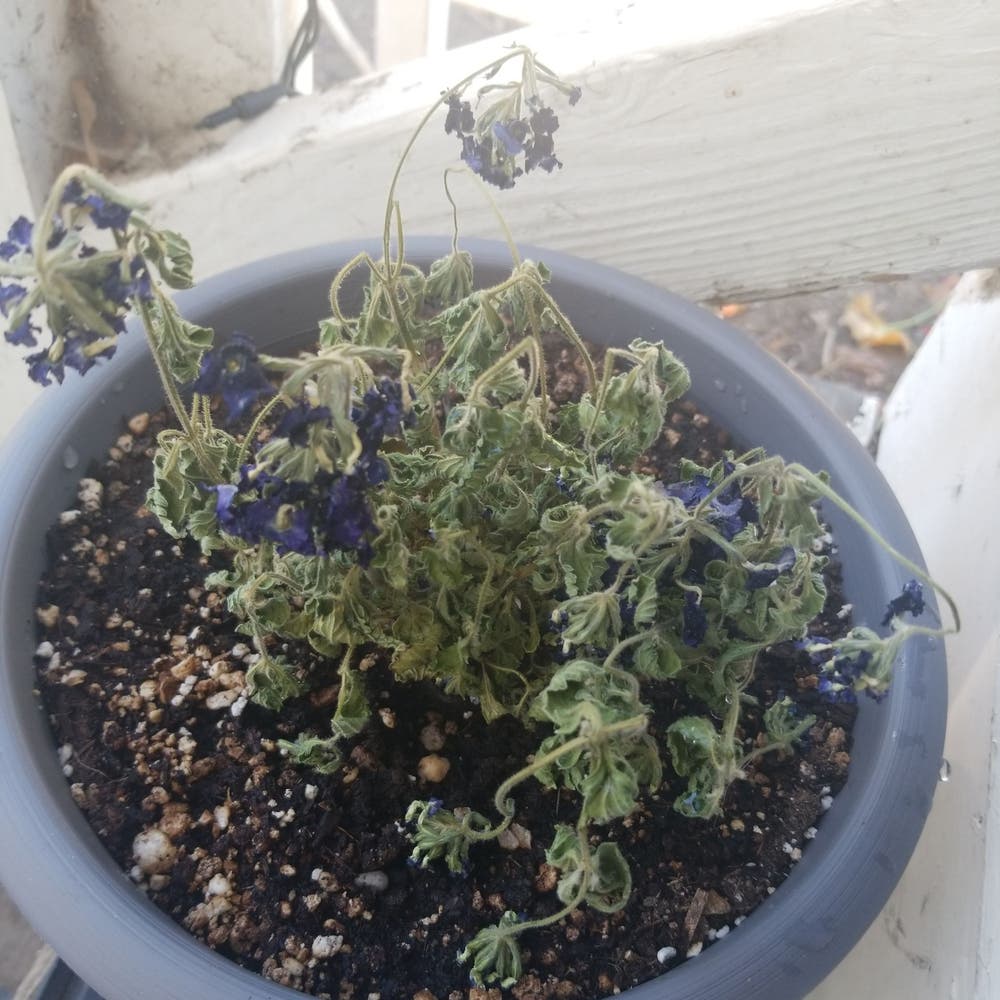
Everything You Need to Know About Raspberry Verbena 🍇
Verbena rigida
By the Greg Editorial Team
Jan 28, 2025•12 min read
This article was created with the help of AI so we can cover more plants for you. May contain errors. See one? Report it here.
Elevate your garden with raspberry verbena 🌸, a vibrant plant that attracts pollinators and brings beauty to your space! 🌿
- 🌞 Raspberry verbena needs 6-8 hours of sunlight daily for optimal growth.
- 🌱 Use well-draining sandy loam soil with a pH of 6.0 to 7.0.
- 🐞 Watch for pests like spider mites; manage with insecticidal soap or neem oil.
How to Grow
Choosing a Location 🌞
Raspberry verbena loves the sun! Aim for a spot that gets full sun for at least 6-8 hours daily to ensure vibrant growth.
This plant thrives in warm climates, ideally between 20°C to 30°C (68°F to 86°F). If you live in a cooler area, consider starting it indoors.
Soil Preparation 🏜️
For optimal growth, use well-draining sandy loam soil. This type of soil helps prevent waterlogging, which can harm the roots.
Aim for a soil pH that is slightly acidic to neutral, ideally between 6.0 to 7.0. Testing your soil can help you achieve the right balance.
Planting Techniques 🌱
When planting outdoors, space your raspberry verbena 12-18 inches apart. This spacing allows each plant enough room to grow and flourish.
Plant seeds or seedlings at a depth of about 1/4 inch. This depth ensures they have enough soil coverage while still being close to the surface for sunlight.
Watering Requirements 🚰
Water your raspberry verbena when the top inch of soil feels dry. This practice helps maintain the right moisture level without overwatering.
Using a soaker hose or drip irrigation is ideal. These methods keep the foliage dry, reducing the risk of fungal diseases.
Fertilizing 🍽️
A balanced NPK fertilizer, such as 10-10-10, works wonders for raspberry verbena. This type of fertilizer provides essential nutrients for healthy growth.
Fertilize every 4-6 weeks during the growing season. Regular feeding supports robust blooms and overall plant health.
Pruning and Ongoing Care ✂️
Deadheading is crucial; remove spent flowers to encourage more blooms. This simple task keeps your plant looking fresh and vibrant.
Regularly check for pests and diseases. Early detection can save your plant from significant damage.
Outdoor vs. Container Growing 🏡
If you're growing raspberry verbena in containers, choose pots that are at least 12 inches in diameter. This size provides adequate root space for healthy growth.
Use a high-quality potting mix with good drainage. This ensures your plant thrives, whether indoors or outdoors.
Transitioning to the next section, let's explore how to propagate raspberry verbena effectively.
Propagation
🌱 Seed Propagation
To start your raspberry verbena journey, sow seeds indoors 8-10 weeks before the last frost. Expect germination in about 14-21 days at a cozy temperature of 20°C (68°F).
✂️ Cutting Propagation
For a quicker method, take cuttings from healthy stems that are 4-6 inches long. Place these cuttings in a moist potting mix, and watch for roots to develop in 2-4 weeks.
🔪 Division
Dividing your plants is essential for maintaining their health. Aim to divide every 2-3 years in early spring by carefully separating clumps and replanting them in prepared soil.
With these propagation techniques, you can easily expand your raspberry verbena collection and enjoy its vibrant beauty in your garden. Next, let’s explore the lifecycle of this delightful plant and what to expect as it grows.
Lifecycle
Lifecycle Stages 🌱
Raspberry verbena goes through several distinct stages during its lifecycle. These include seed or cutting, germination, seedling, vegetative growth, flowering, and seed production.
Germination Process and Timeline ⏳
The germination process is crucial for starting your raspberry verbena journey. Seeds typically take 14-21 days to germinate, provided they are kept at a warm temperature of around 20°C (68°F).
Growth Timeline 📈
Once germination occurs, the plant will grow rapidly. You can expect your raspberry verbena to reach full maturity in approximately 3-4 months from seed.
In optimal conditions, raspberry verbena has a lifespan of about 2-3 years. This longevity allows you to enjoy its vibrant blooms and aromatic properties for multiple growing seasons.
As you nurture your plants, keep in mind that their growth and health are influenced by factors like sunlight, soil quality, and watering practices.
With a little attention, you can witness the full lifecycle of this beautiful plant, from seed to flourishing flower.
Next, let’s explore the size of raspberry verbena and what you can expect in terms of its growth dimensions.
Size
Mature Height and Spread 🌱
Raspberry verbena typically reaches a height of 3 to 4 feet and spreads about 2 to 3 feet wide. This makes it a lovely addition to any garden, providing both height and fullness.
Growth Rate and Factors Affecting Size 📈
The growth rate of raspberry verbena can vary significantly based on several factors. Key influences include soil quality, sunlight exposure, and watering practices, all of which play a crucial role in determining how robust your plants will grow.
Size Variability Based on Growing Conditions 🌦️
It's important to note that raspberry verbena may not always reach its full potential size. In shaded areas or poor soil conditions, you might find the plants are smaller and less vigorous than those grown in optimal environments.
Understanding these size dynamics can help you plan your garden layout effectively. By ensuring your raspberry verbena has the right conditions, you can enjoy a vibrant and healthy display.
As you consider the size and growth of raspberry verbena, think about how these factors will influence your overall garden design. Next, let’s explore the fascinating lifecycle of this resilient plant.
Roots
🌱 Root System Characteristics
Raspberry verbena features a fibrous root system that supports its growth and stability. This type of root structure allows the plant to efficiently absorb nutrients and water from the soil.
📏 Root Depth and Spread
Typically, the roots of raspberry verbena extend 12-18 inches deep. They can spread outwards, reaching up to 1-2 feet, which provides a solid foundation for the plant.
⚠️ Common Root-Related Issues
One common issue is root rot, which occurs due to overwatering. To prevent this, ensure your plant has good drainage.
Another problem is being rootbound, which happens when the roots fill the container. Signs of this include stunted growth and a plant that seems to struggle.
👀 Visual Cues for Healthy vs. Unhealthy Roots
Healthy roots are firm, white, and spread out nicely in the soil. In contrast, unhealthy roots appear dark, mushy, or are confined to the pot, indicating a problem.
🛠️ Tips for Managing Rootbound Plants
If you notice your raspberry verbena is rootbound, consider repotting it into a larger container. Alternatively, you can divide the plant to give its roots more room to grow.
Understanding the root system of raspberry verbena is crucial for its health and growth. With proper care, you can ensure your plant thrives and flourishes in your garden.
Next, let’s explore the benefits of growing raspberry verbena and why it’s a fantastic addition to your garden.
Benefits
🌿 Aromatic Properties and Culinary Uses
Raspberry verbena is a delightful addition to herbal teas and culinary dishes. Its fragrant leaves impart a refreshing flavor that can elevate both sweet and savory recipes.
🐝 Attracts Beneficial Pollinators
The vibrant flowers of raspberry verbena are a magnet for bees and butterflies. This not only enhances the beauty of your garden but also supports local biodiversity.
🌸 Aesthetic Appeal in Gardens
With their striking purple blooms, raspberry verbena plants add a splash of color to any garden. Their visual appeal makes them a favorite among gardeners looking to create a lively atmosphere.
🌱 Medicinal Properties and Uses
Traditionally, raspberry verbena has been valued for its calming effects and digestive benefits. Many people enjoy it as a soothing herbal remedy, promoting relaxation and well-being.
✨ Symbolism and Cultural Significance
In various cultures, raspberry verbena symbolizes tranquility and relaxation. Its presence in gardens often evokes a sense of peace, making it a cherished plant for those seeking serenity in their outdoor spaces.
As you explore the benefits of raspberry verbena, consider how it can enhance your garden and well-being. Next, let’s dive into the fascinating world of companion planting and discover which plants thrive alongside raspberry verbena.
Companion Plants
🌱 Explanation of Companion Planting Benefits
Companion planting is a fantastic way to enhance garden diversity and improve pest management. By strategically placing plants together, you can create a more resilient ecosystem that benefits all your plants.
🌼 Best Companion Plants
When growing raspberry verbena, consider pairing it with marigolds. These vibrant flowers are known for their pest-repellent properties, helping to keep harmful insects at bay.
Basil is another excellent companion. It shares similar care needs with raspberry verbena and can enhance the flavor of nearby plants, making your garden both beautiful and productive.
🚫 Plants to Avoid
While companion planting can be beneficial, some plants should be avoided. Certain herbs, like mint, can compete for nutrients and space, potentially stunting the growth of your raspberry verbena.
By choosing the right companions, you can create a thriving garden that not only looks great but also supports the health of your raspberry verbena. Next, let’s explore the potential toxicity of raspberry verbena to humans and pets.
Toxicity to Humans
Safety of Raspberry Verbena for Humans 🌿
Raspberry verbena is generally considered safe for human consumption. It is not listed as toxic by poison control centers, making it a popular choice for herbal teas and culinary uses.
Potential Minor Issues ⚠️
While most people can enjoy raspberry verbena without any issues, some may experience mild skin irritation or digestive discomfort if consumed in large quantities. It's always wise to enjoy this herb in moderation.
Cautionary Advice 🩺
If you notice any unusual symptoms after contact or ingestion, it's best to seek medical advice. Staying informed and cautious can help you enjoy the benefits of raspberry verbena safely.
As we explore the next section, let's delve into its safety for our furry friends—dogs and cats.
Toxicity to Dogs
Safety of Raspberry Verbena for Dogs 🐶
Raspberry verbena is generally safe for dogs, as confirmed by veterinary organizations. It’s not listed as toxic, so you can enjoy this plant in your garden without worrying about your furry friends.
Potential Minor Issues ⚠️
While it's safe, consuming large quantities of raspberry verbena may lead to mild gastrointestinal upset in dogs. Keep an eye on your pet if they decide to munch on the leaves.
Tips for Introducing Raspberry Verbena 🌱
When introducing raspberry verbena to your garden, consider proper placement. Keep the plants out of reach and monitor your dog's behavior to ensure they don’t overindulge.
As you explore the benefits of raspberry verbena, remember that it’s essential to create a safe environment for your pets. This way, you can enjoy the beauty and aroma of this delightful plant without any concerns.
Toxicity to Cats
Safety of Raspberry Verbena for Cats 🐾
Raspberry verbena is generally safe for cats, as confirmed by pet poison control centers. You can enjoy this beautiful plant without worrying about your feline friends getting harmed.
Potential Minor Issues ⚠️
While not toxic, consuming large quantities of raspberry verbena may lead to mild gastrointestinal upset in cats. It's always best to keep an eye on their behavior after they've had a nibble.
Tips for Introducing Raspberry Verbena 🌱
When introducing raspberry verbena to your home, consider proper placement. Monitor your cat's interactions with the plant to ensure they don’t overindulge or show any signs of discomfort.
As you explore the benefits of raspberry verbena, remember that your pet's safety is paramount. With a little care, you can enjoy this lovely plant while keeping your furry companions happy and healthy.
Problems
🌱 Common Problems Faced When Growing
Growing raspberry verbena can be rewarding, but it's not without its challenges. One of the most common issues is incorrect watering; overwatering can lead to yellowing leaves, while underwatering often results in wilting.
🔍 Identifying Symptoms of Unhealthy Plants
It's crucial to recognize the signs of an unhealthy plant early. Look out for leaf issues such as scorching, yellowing, or fuzzy growth, which can indicate stress or disease.
🛠️ Solutions for Common Issues
To address these problems, adjust your watering frequency based on the plant's needs. Ensure your raspberry verbena receives adequate light exposure, as this can significantly improve its overall health and vitality.
By staying vigilant and responsive to your plant's needs, you can cultivate a thriving raspberry verbena garden. Next, let’s explore the potential pests that could threaten your plants.
Bugs
🐜 Potential Pest Issues
Raspberry verbena is generally known for its moderate pest resistance, making it a resilient choice for your garden. However, it can still attract a few unwelcome guests that you should keep an eye on.
🔍 Identification of Common Pests
Two common pests to watch for are spider mites and aphids. Spider mites leave fine webbing on leaves, while aphids are small, green insects that often cluster on new growth.
⚔️ Damage Caused by Pests and Treatment Options
These pests can cause significant damage if left unchecked. Effective treatments include using insecticidal soap or neem oil, both of which are safe and effective options.
Additionally, introducing beneficial insects like ladybugs can help keep pest populations in check. By staying vigilant and employing these strategies, you can protect your raspberry verbena and enjoy its beauty and benefits.
As you care for your plants, remember that a proactive approach to pest management will lead to a healthier garden. Next, let’s explore what animals might be interested in snacking on your raspberry verbena.
What Eats Raspberry Verbena
Common Animals That May Damage 🦌
Raspberry verbena can attract a few hungry visitors. Deer are notorious for munching on these plants, leaving behind chewed leaves and broken stems as evidence of their feast.
Rabbits also enjoy nibbling on the lower leaves, which can lead to unsightly damage and hinder the plant's growth.
Signs of Animal Presence and Damage Types 🐇
Keep an eye out for signs of animal activity in your garden. Squirrel activity can manifest as missing flowers and scattered debris, indicating they've taken a liking to your raspberry verbena.
Look for chewed edges on leaves or broken stems to identify potential damage from larger animals like deer and rabbits.
Deterrent Methods 🚫
To protect your raspberry verbena, consider using deterrent methods. Chemical repellents, such as commercial deer repellents, can help keep these animals at bay.
Alternatively, you can opt for organic methods, like planting deterrent plants such as garlic or using physical barriers to shield your precious verbena from hungry critters.
By taking these precautions, you can enjoy the beauty and benefits of raspberry verbena without the worry of unwanted munchers.
⚠️ Safety First
This content is for general information and may contain errors, omissions, or outdated details. It is not medical, veterinary advice, or an endorsement of therapeutic claims.
Always consult a qualified healthcare professional before using any plant as food, medicine, or supplement.
Never eat any plant (or feed one to pets) without confirming its identity with at least two trusted sources.
If you suspect poisoning, call Poison Control (800) 222-1222, the Pet Poison Helpline (800) 213-6680, or your local emergency service immediately.
Spotted an error? Please report it here.
Watch your raspberry verbena bloom beautifully 🌸 with Greg's personalized care tips and watering reminders that ensure your plants thrive in their perfect environment!