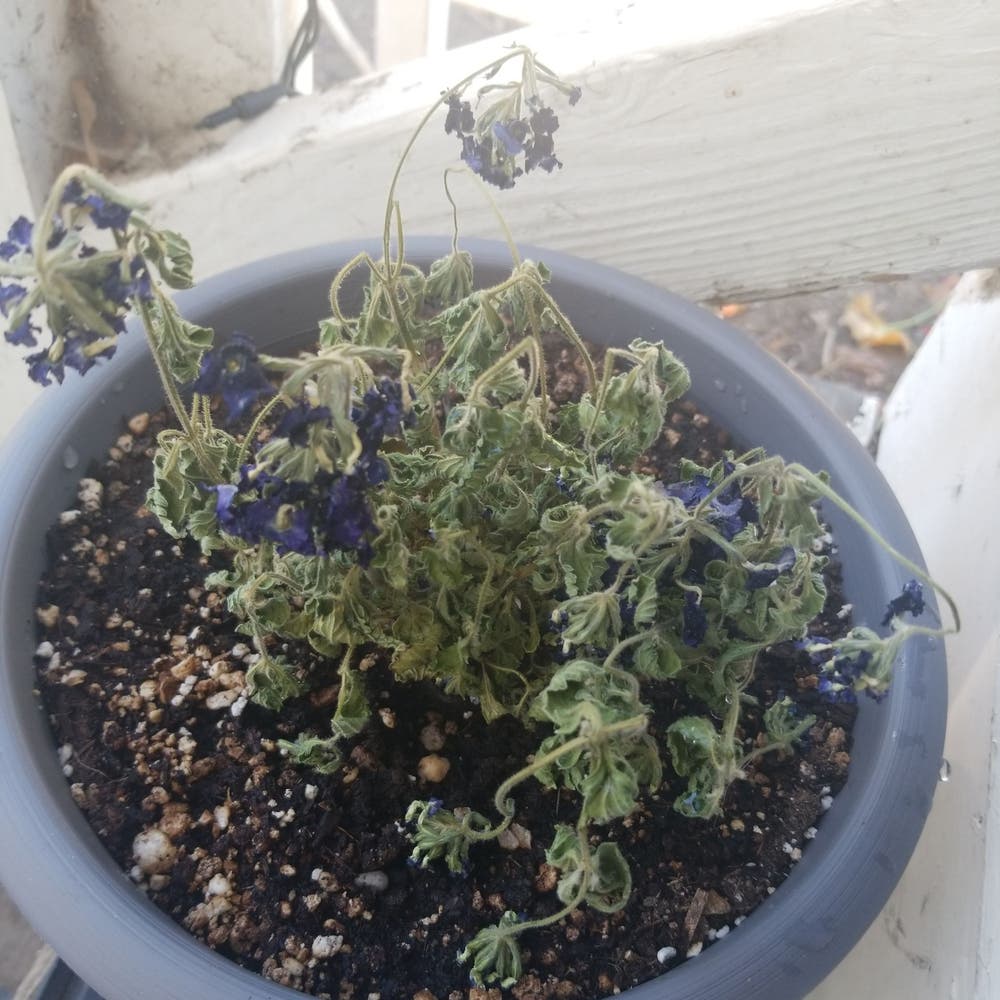
All About Tuberous Vervain: Essential Facts
Verbena rigida
By the Greg Editorial Team
Jan 28, 2025•11 min read
This article was created with the help of AI so we can cover more plants for you. May contain errors. See one? Report it here.
Elevate your garden with Tuberous Vervain 🌼, a vibrant, pollinator-friendly plant that thrives in diverse conditions! 🌱
- 🌞 Tuberous vervain needs 6-8 hours of sunlight daily for optimal growth.
- 🌱 Ideal soil is well-drained loam with a pH of 6.0-7.5 for planting.
- 💧 Consistent watering is key until established; then switch to deep, infrequent watering.
How to Grow
🌞 Choosing a Location
Tuberous vervain thrives in full sun, requiring 6 to 8 hours of direct sunlight daily. It prefers moderate temperatures and well-drained soil to flourish.
🌱 Soil Preparation
For optimal growth, use a well-draining, fertile loam. Aim for a soil pH between 6.0 and 7.5 to create the best environment for your plants.
🌼 Planting Techniques
When planting seeds, ensure they are sown at a depth of 1 to 2 inches. For tubers, maintain a spacing of 12 to 18 inches apart to allow for healthy growth.
💧 Watering Requirements
Initially, keep the soil consistently moist until the plants are established. After that, water deeply but infrequently to promote deep root development.
🌿 Fertilizing Schedule
Fertilize your tuberous vervain monthly during the growing season. A balanced NPK fertilizer is recommended to support robust growth.
✂️ Pruning and Ongoing Care
Regularly deadhead spent flowers to encourage new blooms. Additionally, inspect your plants frequently for pests and diseases to maintain their health.
🪴 Outdoor vs. Container Growing
If growing in containers, choose pots with drainage holes and quality potting mix. For outdoor planting, ensure adequate spacing and sunlight exposure to optimize growth.
With these essential tips, you're well on your way to cultivating vibrant tuberous vervain. Next, let’s explore how to propagate this beautiful plant effectively.
Propagation
Seed Propagation 🌱
To propagate Tuberous Vervain from seeds, start by sowing them at a depth of 1/4 inch. Expect germination to take about 10-14 days under optimal conditions.
Division of Tubers 🌿
Dividing tubers is best done in early spring or fall. Carefully separate the tubers and replant them to encourage new growth.
Cuttings Method ✂️
For the cuttings method, select healthy stems that are 4-6 inches long. Use a rooting medium made of equal parts peat and perlite to promote successful rooting.
This propagation knowledge sets the stage for understanding the lifecycle of Tuberous Vervain, where we’ll explore how these plants grow and thrive.
Lifecycle
Germination Process 🌱
For Tuberous Vervain, the optimal temperature for germination is around 70°F (21°C). This warm environment encourages seeds to sprout effectively.
Seedling Development 🌿
Once germinated, seedlings take about 4-6 weeks to develop before they are ready for transplanting. During this time, they establish a strong foundation for future growth.
Vegetative Growth Phase 🌳
The vegetative growth phase lasts approximately 6-8 weeks. This is when the plant actively grows, preparing for its stunning flowering stage.
Flowering and Seed Production 🌼
Tuberous Vervain typically flowers from late summer to early fall. After flowering, seeds mature within 4-6 weeks, ready for the next cycle of growth.
Lifespan and Growth Rate ⏳
In optimal conditions, Tuberous Vervain has a lifespan of 3-5 years. Its growth rate is moderate, with plants reaching maturity in about 2-3 years.
This lifecycle overview highlights the essential stages of Tuberous Vervain's growth, providing insight into its development. Understanding these phases can help you cultivate this beautiful plant successfully.
Size
Mature Height and Spread 🌱
Tuberous Vervain typically reaches a mature height of 24 to 36 inches. Its spread can range from 12 to 18 inches, making it a lovely addition to any garden space.
Growth Rate and Size Variability 📈
This plant has a moderate growth rate, which can be influenced by various environmental conditions. Factors such as soil quality and watering practices can lead to noticeable size variability, so keep an eye on those elements for optimal growth.
In summary, understanding the size and growth characteristics of Tuberous Vervain helps you plan your garden layout effectively. Next, let’s explore the fascinating lifecycle of this resilient plant.
Roots
Characteristics of the Root System 🌱
Tuberous Vervain features a unique tuberous root system that allows it to thrive in various conditions. These roots can extend 12-18 inches deep, providing stability and access to nutrients.
Common Root-Related Issues 🚫
One of the most common problems with Tuberous Vervain is root rot, which occurs due to overwatering. To prevent this issue, ensure proper drainage in the soil to keep the roots healthy.
Identifying Healthy vs. Unhealthy Roots 🔍
Healthy roots are firm, white, and crisp, indicating a robust plant. In contrast, unhealthy roots appear dark, mushy, or foul-smelling, signaling potential problems that need addressing.
Recognizing Rootbound Plants and Solutions 🪴
If you notice roots growing out of the drainage holes, your plant may be rootbound. The best solutions include repotting into a larger container or dividing the tubers to promote healthy growth.
Understanding the root system of Tuberous Vervain is essential for successful cultivation. With proper care and attention, you can ensure your plants thrive and flourish.
Benefits
Five Key Benefits 🌟
Tuberous Vervain offers several advantages that make it a fantastic addition to any garden. Here are five key benefits you should know about:
Attracts Pollinators: This plant is a magnet for bees, butterflies, and other pollinators, enhancing the biodiversity of your garden. By planting Tuberous Vervain, you contribute to a healthier ecosystem.
Drought-Tolerant: Once established, Tuberous Vervain requires minimal watering. This drought tolerance not only saves you time but also reduces your overall water usage, making it an eco-friendly choice.
Habitat for Beneficial Insects: The flowers provide shelter and food for beneficial insects, promoting a balanced garden environment. This can help control pest populations naturally.
Visual Interest: With its unique tubular flowers, Tuberous Vervain adds a striking visual element to your garden. Its vibrant blooms can brighten up any landscape, making it a favorite among gardeners.
Herbal Remedies: Tuberous Vervain has been used in traditional herbal medicine for mild ailments. While it’s essential to consult with a healthcare professional, its potential uses add another layer of value to this plant.
Incorporating Tuberous Vervain into your garden not only enhances its beauty but also supports the environment and offers practical benefits. Next, let’s explore how to propagate this versatile plant for even more growth opportunities.
Companion Plants
Concept of Companion Planting 🌱
Companion planting is all about creating a harmonious garden ecosystem. By pairing plants that support each other's growth, you can enhance overall health, improve pest management, and boost biodiversity.
Best Companion Plants 🌼
When it comes to Tuberous Vervain, consider planting it alongside Echinacea, Black-eyed Susan, and other native wildflowers. These companions share similar care requirements and attract beneficial insects, making your garden a thriving habitat.
Plants to Avoid 🚫
Be cautious with heavy feeders like corn or tomatoes, as they compete for nutrients. Keeping these plants away from Tuberous Vervain ensures that your garden remains balanced and healthy.
With the right companions, your Tuberous Vervain can flourish, creating a vibrant and resilient garden space. Next, let’s explore the potential toxicity of Tuberous Vervain to humans and pets.
Toxicity to Humans
Tuberous Vervain is generally safe for humans, as it is not listed as toxic by major poison control centers. However, it's wise to be cautious; consuming large quantities may lead to mild skin irritation or digestive discomfort.
Always exercise caution when handling or consuming any plant. If you experience unusual symptoms, consulting a medical professional is a smart move. This way, you can enjoy the benefits of Tuberous Vervain without any worries.
As you explore this fascinating plant, remember that knowledge is power. Understanding its properties helps you appreciate its role in your garden and beyond.
Toxicity to Dogs
Tuberous Vervain is not listed as toxic by major pet poison control centers, making it a relatively safe choice for dog owners. However, if your furry friend decides to munch on a large quantity, you might notice mild gastrointestinal upset.
🌱 Introducing Tuberous Vervain to Your Home
When bringing Tuberous Vervain into your home, consider proper placement to minimize any potential issues. Monitor your dog's interactions with the plant to ensure they don't overindulge.
🐾 Conclusion
With its non-toxic nature, Tuberous Vervain can be a delightful addition to your garden without posing significant risks to your canine companions. As always, keep an eye on your pets and consult a veterinarian if you notice any unusual symptoms.
Next, let's explore how Tuberous Vervain interacts with our feline friends.
Toxicity to Cats
Tuberous Vervain is not listed as toxic by major pet poison control centers, making it a relatively safe choice for cat owners. However, if consumed in large quantities, it may cause mild gastrointestinal upset.
🏡 Introducing Tuberous Tuberous VervainHome
When bringing Tuberous Vervain into your home, consider proper placement to minimize any potential issues. Monitor your cat's behavior around the plant, especially during the initial introduction, to ensure they don’t nibble too much.
📝 Conclusion
While Tuberous Vervain poses minimal risk to cats, it's always wise to keep an eye on your furry friends. By being proactive, you can enjoy the beauty of this plant without worry.
Problems
🌱 Common Problems Faced
Growing Tuberous Vervain can be rewarding, but it comes with its share of challenges. Understanding these common problems will help you maintain a healthy plant.
💧 Incorrect Watering
Watering issues are among the most frequent problems gardeners encounter. Overwatering can lead to soggy soil and root rot, while underwatering may cause wilTuberous Vervain
☀️ Incorrect Light Conditions
Light conditions significantly affect plant health. If your Tuberous Vervain appears leggy, it may not be receiving enough sunlight, while scorched leaves indicate too much direct sun exposure.
🦠 Diseases
Diseases can threaten your plant's vitality. Watch for signs of powdery mildew, rust, and blight, and take action promptly to manage these issues effectively.
🌿 Root Problems
Root health is crucial for overall plant success. Recognizing root rot is essential; look for mushy roots that signal overwatering or poor drainage.
🍃 Leaf Issues
Leaf problems can also indicate underlying issues. Yellowing leaves may suggest nutrient deficiencies, while fuzzy growth could point to pest infestations or diseases.
By staying vigilant and addressing these common problems, you can ensure your Tuberous Vervain thrives. Next, let's explore the pests that might disrupt your garden's harmony.
Bugs
🐛 Potential Pest Issues
Tuberous Vervain can face various pest challenges, impacting its growth and health. Understanding pest resistance and susceTuberous Vervaincial for maintaining a thriving plant.
🔍 Identification of Common Pests
Common pests that may target Tuberous Vervain include:
- Spider Mites: Tiny, often invisible to the naked eye, these pests can cause significant damage by sucking sap from the leaves.
- Aphids: These small, soft-bodied insects cluster on new growth, leading to distorted leaves and stunted growth.
- Whiteflies: Similar to aphids, whiteflies feed on plant sap and can cause yellowing leaves and a sticky residue known as honeydew.
⚠️ Damage Caused by Pests
Each pest leaves its mark on Tuberous Vervain:
- Spider Mites: Look for stippled leaves and webbing, indicating a severe infestation.
- Aphids: Infestations can lead to curled leaves and a general decline in plant vigor.
- Whiteflies: These pests can cause yellowing and wilting, along with a sticky film that attracts other pests.
🛠️ Effective Treatment Options
Managing pest infestations effectively is key to keeping Tuberous Vervain healthy. Here are some recommended treatments:
- Insecticidal Soap: This is effective against soft-bodied insects like aphids and whiteflies. Spray directly on the pests for best results.
- Neem Oil: A natural pesticide that disrupts the life cycle of pests, neem oil can help control spider mites and aphids.
- Companion Planting: Introduce beneficial insects like ladybugs, which feast on aphids, to naturally reduce pest populations.
By staying vigilant and employing these strategies, you can protect your Tuberous Vervain from pests and ensure it thrives in your garden. Next, let’s explore what animals might be causing damage to your plants.
What Eats
🦌 Common Animals That May Damage
Tuberous Vervain can attract a variety of hungry critters. Common culprits include deer, rabbits, squirrels, and rodents, all of which may find your plants irresistible.
👀 Signs of Animal Presence
Keep an eye out for signs of these animals. Tracks, droppings, and damaged foliage are clear indicators that your garden has become a dining spot for local wildlife.
🐾 Types of Damage Caused
Each animal brings its own brand of destruction. Deer may nibble on leaves and stems, while rabbits tend to munch on tender shoots. Squirrels and rodents can dig around the roots, potentially uprooting your plants.
🚫 Deterrent Methods
Protecting your Tuberous Vervain requires a mix of strategies. Consider using chemical repellents or organic methods like planting strong-smelling herbs nearby. Fencing can also be effective, especially for larger animals like deer.
By being proactive, you can enjoy the beauty of Tuberous Vervain without the worry of unwanted guests. Next, let’s explore the potential pest issues that can affect your plants.
⚠️ Safety First
This content is for general information and may contain errors, omissions, or outdated details. It is not medical, veterinary advice, or an endorsement of therapeutic claims.
Always consult a qualified healthcare professional before using any plant as food, medicine, or supplement.
Never eat any plant (or feed one to pets) without confirming its identity with at least two trusted sources.
If you suspect poisoning, call Poison Control (800) 222-1222, the Pet Poison Helpline (800) 213-6680, or your local emergency service immediately.
Spotted an error? Please report it here.
Grow vibrant tuberous vervain 🌼 with Greg's tailored watering alerts and expert care tips to keep your garden thriving all season long!