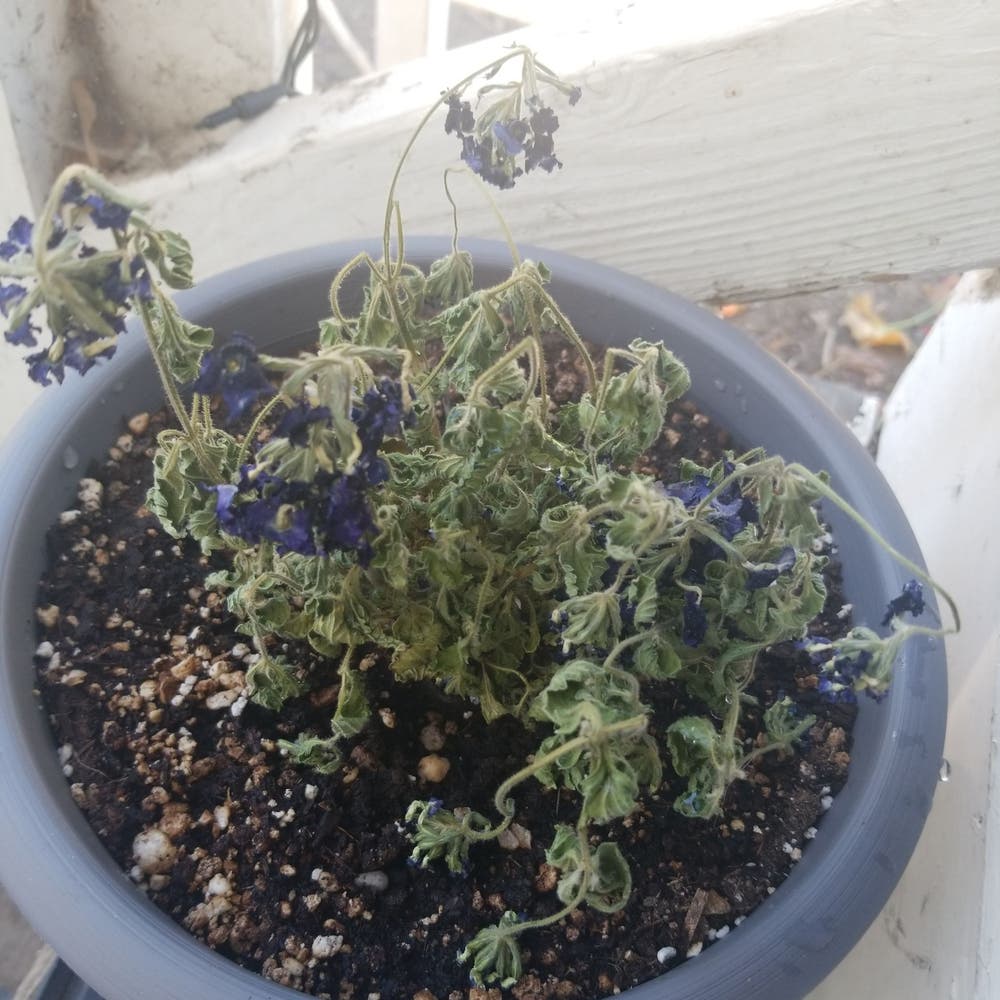
🐛 What Are The Bugs on My Slender Vervain?
Verbena rigida
By the Greg Editorial Team
Jan 30, 2024•5 min read
This article was created with the help of AI so we can cover more plants for you. May contain errors. See one? Report it here.
Safeguard your Slender Vervain from pesky bugs 🐛 with these proven detection and defense strategies! 🛡️
- Spider mites and scale show distinct signs; combat with neem oil or alcohol.
- Reduce moisture to control fungus gnats; clean fruit to deter fruit flies.
- Regular checks and companion planting help prevent future infestations.
Spotting Spider Mites Before They Take Over
🕷️ Identifying the Culprits
Spider mites are sneaky pests that wreak havoc on Slender Vervain. Webbing on leaves and stems is a dead giveaway. Look for leaf damage—yellow or brown spots, and a general unhealthy look to your plant.
🛡️ Winning the Battle
Neem oil and insecticidal soap are your go-to weapons against spider mites. Increase humidity around your plant; these critters despise moist conditions. Regular misting can deter future invasions, making your Slender Vervain less of a target.
Scale: Sticky Foes on Stems and Leaves
🐞 Unmasking Scale Insects
Scale insects are sneaky critters that manifest as waxy bumps on your Slender Vervain. They're not just bumps; they're armor for the pests underneath. These scales can be white or brown and often excrete a sticky substance called honeydew, which can lead to sooty mold or attract other pests like ants.
🛡️ Natural and Chemical Shields
Manual removal is your first line of defense against scale. Get up close and personal with a cotton swab doused in rubbing alcohol and wipe them off. It's a bit like playing Whac-A-Mole with bugs—satisfying but requires vigilance. For a more thorough approach, especially if you're dealing with an infestation, horticultural oil is your heavy artillery. It smothers these freeloaders by clogging their breathing apparatus—think of it as putting a pillow over their faces, but in the bug world. If you're into the natural stuff, neem oil is a solid choice. It's like sending in a hitman that only targets the bad guys. And don't forget about insecticidal soaps; they can be effective, especially if your plant isn't overrun by these sticky adversaries.
Fungus Gnats vs. Fruit Flies: Aerial Annoyances
🕵️♂️ Catching Them in the Act
Fungus gnats and fruit flies often get lumped together, but knowing the difference is key to eviction. Fungus gnats are the tiny, black, mosquito-like bugs that hang out near soil, drawn to moisture like a moth to a flame. Fruit flies, on the other hand, are the slightly larger, brownish bugs with red eyes, infamous for their love of overripe fruit.
Grounding the Pests
To stop fungus gnats, cut back on watering; they can't breed without their beloved dampness. For fruit flies, cleanliness is your best friend—keep fruit stored and surfaces spotless. Yellow sticky traps work wonders for both, snagging adults mid-flight and offering a clear count of your infestation. If you're seeing more gnats than you have fingers, it's time to take action.
Mealybugs: The White Cottony Giveaway
🐛 Spotting the Fluffy Invaders
Mealybugs are notorious for their white, cotton-like clusters that make themselves at home on your Slender Vervain. These pests are sap-suckers, leaving behind sticky honeydew and a trail of plant stress. Look for them in the cozy nooks of your plant, especially under leaves and in leaf joints.
🚫 Eradicating the Fluff
Alcohol is your first line of defense. Grab a cotton swab, dip it in rubbing alcohol, and evict those fluffy squatters on contact. For a broader approach, neem oil sprays can act as an effective plant guard, disrupting the mealybug life cycle. Don't overlook the power of beneficial insects either; ladybugs and lacewings are natural predators that can help keep the mealybug population in check. Regular plant check-ups are crucial—stay vigilant to keep these pests from throwing a cottony rave on your Slender Vervain.
Other Uninvited Guests: Aphids, Whiteflies, and Thrips
🧛 Aphids: Sap-Sucking Menace
Aphids are tiny vampires of the plant world, feasting on the sap of Slender Vervain. Clusters of these pear-shaped pests typically gather on the undersides of leaves, draining the plant's vitality and potentially spreading diseases. They're not discreet about their presence, leaving a sticky mess known as honeydew in their wake.
Soap sprays are a go-to for ousting these sap-suckers, and for those who prefer a more natural approach, introducing ladybugs can turn the tide in your favor, as they're natural aphid predators.
👻 Whiteflies: Ghostly Plant Drifters
Whiteflies are like tiny ghosts, fluttering en masse when disturbed, often around the Slender Vervain. They congregate on the underside of leaves, sucking the life out of your plants and leaving a powdery residue.
Combat these pests by vacuuming them up during their ghostly dance or lay down some reflective mulch to deter them from settling in.
🥷 Thrips: Slender Invaders
Thrips are the ninjas of the bug world, slender and stealthy, leaving behind a trail of discolored streaks and speckled leaves. They're tough to spot, but their damage is a dead giveaway.
Pruning affected areas can help control their numbers, and blue sticky traps are particularly effective in capturing these elusive pests.
Fortifying Your Slender Vervain Against Future Bug Battles
Regular plant check-ups are like a routine health screening for your Slender Vervain. Inspect leaves, stems, and soil for early signs of pests during each watering. Look for chewed foliage, sticky substances, or fine webbing.
🌬️ Creating an Unwelcoming Environment for Pests
Airflow and light are your plant's natural protectors. Position your Slender Vervain to bask in ample sunlight and enjoy a gentle breeze. This deters many pests that prefer stagnant, humid conditions.
Watering practices also play a crucial role. Overwatering invites trouble, creating a breeding ground for pests. Ensure the soil is well-draining and only water when the top inch feels dry to the touch.
🐞 Allies in the Garden: Beneficial Insects and Companion Planting
Beneficial insects are your garden's knights in shining armor. Attract ladybugs, lacewings, and parasitic wasps by planting nectar-rich companions like yarrow or fennel. These allies devour pests, maintaining the balance in your garden's ecosystem.
Companion planting is a strategic move. Some plants, like marigolds, have natural pest-repellent properties. Integrate these into your garden to create a protective barrier around your Slender Vervain.
By staying vigilant and fostering a strong, healthy environment, your Slender Vervain will be well-equipped to fend off future bug invasions.
⚠️ Safety First
This content is for general information and may contain errors, omissions, or outdated details. It is not medical, veterinary advice, or an endorsement of therapeutic claims.
Always consult a qualified healthcare professional before using any plant as food, medicine, or supplement.
Never eat any plant (or feed one to pets) without confirming its identity with at least two trusted sources.
If you suspect poisoning, call Poison Control (800) 222-1222, the Pet Poison Helpline (800) 213-6680, or your local emergency service immediately.
Spotted an error? Please report it here.
Banish pests from your slender vervain and keep them thriving 🌿 with the support of Greg's personalized care plans and proactive community advice!