What to Do About Droopy Leaves on Your Roses 🌹
Rosa spp.
By the Greg Editorial Team
Oct 09, 2024•5 min read
This article was created with the help of AI so we can cover more plants for you. May contain errors. See one? Report it here.
- 🌹 Check leaf color and texture to diagnose droopy leaves on your roses.
- 💧 Ensure consistent soil moisture with the finger test for healthy rose roots.
- 🐛 Inspect for pests regularly to prevent droopiness and maintain vibrant roses.
Diagnosing Droopy Leaves
🌿 Visual Signs to Look For
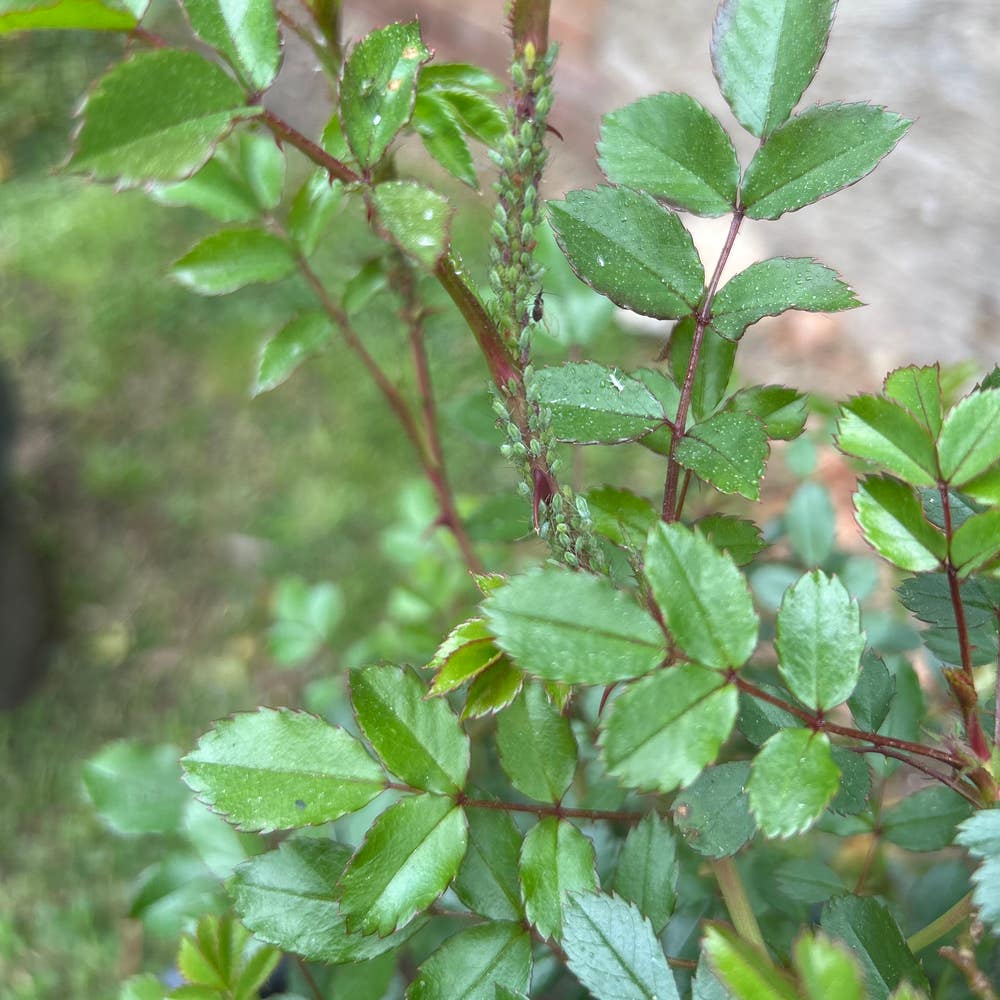
When diagnosing droopy leaves on your roses, start by assessing their color, texture, and overall appearance. Healthy leaves should be vibrant green and firm; any yellowing or wilting can indicate stress.
Next, identify the pattern of droop. Is it uniform across the plant, or localized to specific branches? Uniform droop may suggest watering issues, while localized droop could point to pests or diseases.
💧 Soil Moisture Testing
Soil moisture is crucial for rose health. You can check moisture levels using the finger test—simply insert your finger into the soil about an inch deep. If it feels dry, it’s time to water.
Alternatively, a moisture meter can provide a more precise reading. Ideally, roses thrive in well-draining soil that remains consistently moist but not soggy.
🐛 Checking for Pests and Diseases
Inspecting for pests is essential in maintaining healthy roses. Start by examining the undersides of leaves for any insects or webbing, which can indicate spider mites or aphids.
Look for signs of disease, such as discoloration, lesions, or mold. Early detection can make a significant difference in treatment success.
🌬️ Assessing Environmental Conditions
Environmental factors play a critical role in rose health. Regularly monitor temperature and humidity levels, as extreme conditions can stress your plants.
Additionally, evaluate their exposure to wind and sunlight. Roses need adequate sunlight but can suffer from excessive heat or harsh winds, leading to droopy leaves.
Solutions for Droopy Leaves
🌊 Adjusting Watering Practices
To revive droopy leaves, start by adjusting your watering practices. Aim for 1-2 inches of water per week, ensuring your roses receive consistent moisture.
Deep watering is key; it encourages roots to grow deeper and stronger. Avoid overhead watering to reduce the risk of fungal diseases.
🌱 Fertilization Tips for Healthy Leaves
Fertilization plays a crucial role in maintaining healthy foliage. Use balanced NPK fertilizers or organic options to nourish your roses effectively.
A recommended schedule includes fertilizing in spring and mid-summer, ensuring your plants have the nutrients they need during their active growth phases.
🐛 Pest Control Methods
Pests can be a significant cause of droopy leaves, so proactive measures are essential. Consider organic pest control options like neem oil or insecticidal soap for a gentle yet effective approach.
If necessary, targeted chemical pesticides can be used, but always follow application guidelines to minimize harm to beneficial insects.
🦠 Disease Management Strategies
Preventing diseases is vital for keeping your roses healthy. Ensure proper spacing between plants and promote good air circulation to reduce humidity around foliage.
If disease strikes, treatment options include fungicides and promptly removing any infected leaves to prevent further spread.
🌤️ Environmental Adjustments
Environmental factors can also impact leaf health. During extreme heat, creating shade for your roses can help them thrive.
Additionally, installing windbreaks can protect your plants from harsh winds, ensuring they remain strong and vibrant.
By implementing these solutions, you can effectively address droopy leaves and promote a flourishing rose garden. Next, let’s explore how to prevent droopy leaves in the first place.
Preventing Droopy Leaves
🌹 Best Practices for Rose Care
Regular watering and fertilization are crucial for keeping your roses vibrant. Aim for a consistent schedule to ensure they receive 1-2 inches of water weekly, and use a balanced fertilizer to promote healthy growth.
✂️ Techniques for Maintaining Healthy Foliage
Pruning and deadheading are essential techniques for maintaining lush foliage. Regularly remove spent blooms and any dead or diseased leaves to encourage new growth and prevent potential issues.
🔍 Regular Monitoring and Maintenance
Set a schedule for weekly inspections of your roses. Keeping a journal of plant health and changes will help you spot any problems early and adjust your care routine accordingly.
🌱 Soil Health and Amendments
Well-draining soil is vital for rose health. Consider adding amendments like compost and perlite to improve drainage and nutrient retention, ensuring your roses thrive.
🧪 Regular Soil Testing
Conduct regular soil tests to monitor nutrient levels. This practice helps you understand what your roses need and allows for timely adjustments in fertilization.
🌼 Choosing Resilient Rose Varieties
Select rose varieties known for their pest and disease resistance. Factors like climate and soil type should guide your choices, ensuring your roses are well-suited for their environment.
✅ Conclusion
By implementing these preventive measures, you can significantly reduce the chances of droopy leaves on your roses. Next, let’s explore seasonal considerations to further enhance your rose care strategy.
Seasonal Considerations
🌧️ Seasonal Watering Adjustments
Adjusting your watering frequency is crucial as the seasons change. In warmer months, roses may require more water, while cooler months might necessitate less.
Monitoring soil moisture is essential throughout the year. Use a moisture meter or the finger test to ensure your roses are neither overwatered nor underwatered.
❄️ Preparing Roses for Temperature Changes
Protecting your roses from frost is vital for their survival. Techniques like mulching and covering with frost cloth can shield them from harsh winter conditions.
During heat waves, consider using shade cloths or misting to cool your roses. These strategies help prevent stress and keep your plants thriving.
🐞 Seasonal Pest and Disease Management
Be vigilant about seasonal pests and diseases that can affect your roses. Common culprits include aphids in spring and powdery mildew in humid summer months.
Timing is everything for preventive treatments. Schedule regular inspections and apply treatments as needed to keep your roses healthy and vibrant.
By staying proactive with seasonal care, you can ensure your roses flourish throughout the year. Next, let’s explore best practices for preventing droopy leaves in your rose garden.
⚠️ Safety First
This content is for general information and may contain errors, omissions, or outdated details. It is not medical, veterinary advice, or an endorsement of therapeutic claims.
Always consult a qualified healthcare professional before using any plant as food, medicine, or supplement.
Never eat any plant (or feed one to pets) without confirming its identity with at least two trusted sources.
If you suspect poisoning, call Poison Control (800) 222-1222, the Pet Poison Helpline (800) 213-6680, or your local emergency service immediately.
Spotted an error? Please report it here.
Keep your roses vibrant and droop-free 🌹 by using Greg's tailored watering reminders and pest alerts to ensure they thrive all season long!