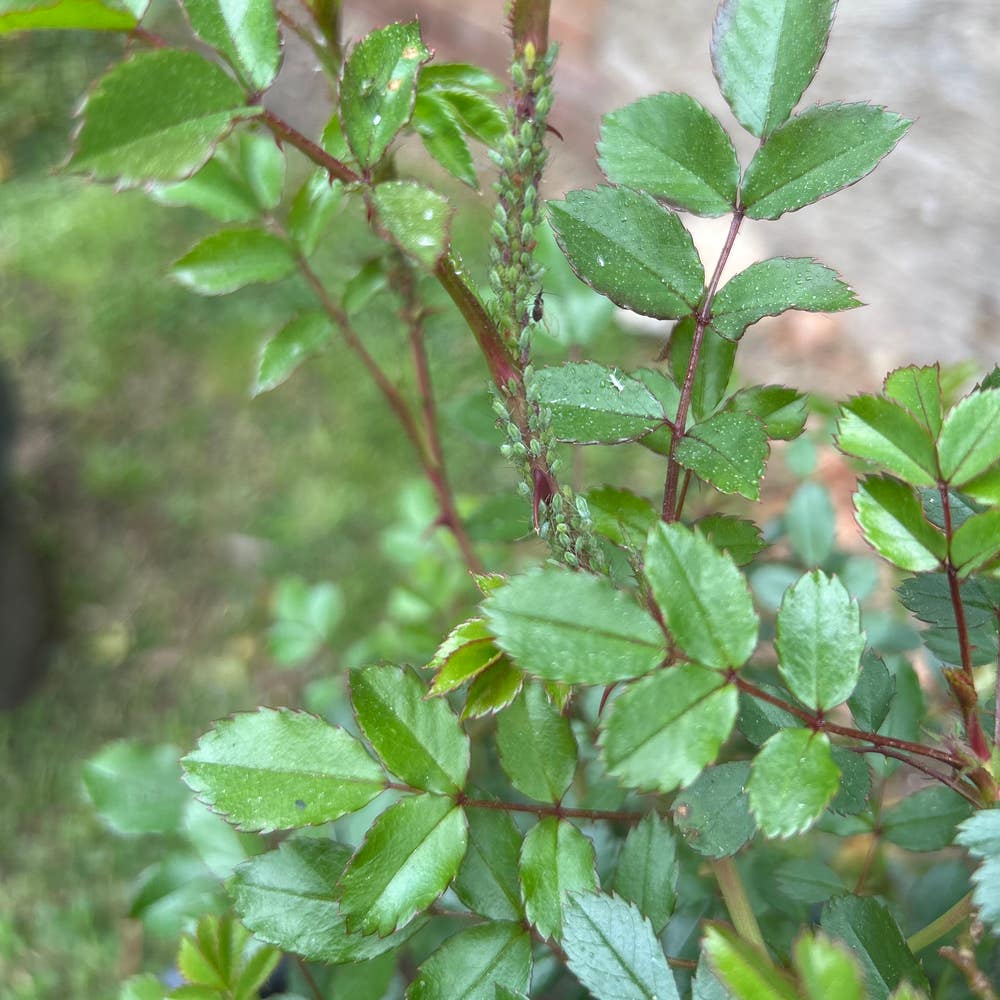
🌹 Rambling Rose: Not an Annual
Rosa spp.
By the Greg Editorial Team
Sep 28, 2024•3 min read
This article was created with the help of AI so we can cover more plants for you. May contain errors. See one? Report it here.
- 🌹 Rambling roses are perennials, thriving with impressive height and climbing abilities.
- 🌱 Deep roots ensure resilience, absorbing nutrients and enduring drought effectively.
- ✂️ Prune in spring for vibrant blooms and healthy growth throughout the season.
Rambling Rose as a Perennial
🌱 Genetic Characteristics
Rambling roses are known for their climbing nature, producing long canes that can reach impressive heights. This ability not only allows them to cover structures but also helps them thrive in various environments.
Their genetic adaptations contribute to their longevity and resilience. These traits enable them to withstand challenges like pests and diseases, making them a robust choice for gardeners.
🌿 Physiological Traits Supporting Perennial Growth
The root system of rambling roses is deep and extensive, allowing for efficient nutrient uptake. This strong foundation supports their growth and helps them endure periods of drought.
Additionally, these plants have a remarkable ability to enter dormancy. This physiological trait allows them to survive adverse conditions, such as extreme temperatures or lack of water.
🌸 Lifecycle and Growth Patterns
Rambling roses often live for many years, embodying the essence of perennials. Their lifespan means they can become a cherished part of your garden for generations.
Their growth cycles are unique; they produce blooms in cycles rather than continuously. This pattern adds visual interest throughout the growing season, making them a dynamic addition to any landscape.
🌼 Reproductive Strategies
While rambling roses can produce seeds, they primarily propagate through cuttings. This method ensures that the new plants retain the desirable traits of the parent.
Pollination plays a crucial role in their reproductive success. By attracting pollinators, rambling roses enhance their chances of producing healthy offspring.
🌻 Garden Design Implications
Using rambling roses in your garden offers several advantages. They represent a long-term investment, providing beauty and structure for years to come.
When integrating them into your garden, consider companion planting and structural support. These strategies will help maximize their potential and create a harmonious garden environment.
With their unique characteristics and benefits, rambling roses are a fantastic choice for any gardener looking to add perennial beauty to their landscape. Next, we’ll explore best practices for managing these stunning plants to ensure their longevity and vibrancy.
Maximizing Longevity
Best Practices for Management 🌱
Pruning Techniques
Pruning is essential for encouraging healthy growth and vibrant blooms in your Rambling Rose. Aim to prune in early spring, removing dead or weak canes to promote airflow and light penetration.
Fertilization
Providing the right nutrients is key to sustained health. Use a balanced fertilizer in early spring and again in mid-summer to support robust growth and flowering.
Tips for Enhancing Growth and Flowering 🌼
Watering Strategies
Consistent moisture is crucial for your Rambling Rose. Water deeply but infrequently to encourage deep root growth, especially during dry spells.
Seasonal Care
Adjust your care routine with the changing seasons. In spring, focus on fertilization and pruning; in summer, ensure adequate watering; and in fall, prepare the plant for dormancy by reducing water and nutrients.
By following these best practices and tips, you can maximize the longevity and beauty of your Rambling Rose, ensuring it thrives for years to come. Next, let’s explore how to integrate this stunning perennial into your garden design for optimal impact.
⚠️ Safety First
This content is for general information and may contain errors, omissions, or outdated details. It is not medical, veterinary advice, or an endorsement of therapeutic claims.
Always consult a qualified healthcare professional before using any plant as food, medicine, or supplement.
Never eat any plant (or feed one to pets) without confirming its identity with at least two trusted sources.
If you suspect poisoning, call Poison Control (800) 222-1222, the Pet Poison Helpline (800) 213-6680, or your local emergency service immediately.
Spotted an error? Please report it here.
Cultivate the stunning resilience of rambling roses in your garden 🌹 with Greg's personalized care tips and reminders, ensuring a thriving display that lasts for years!