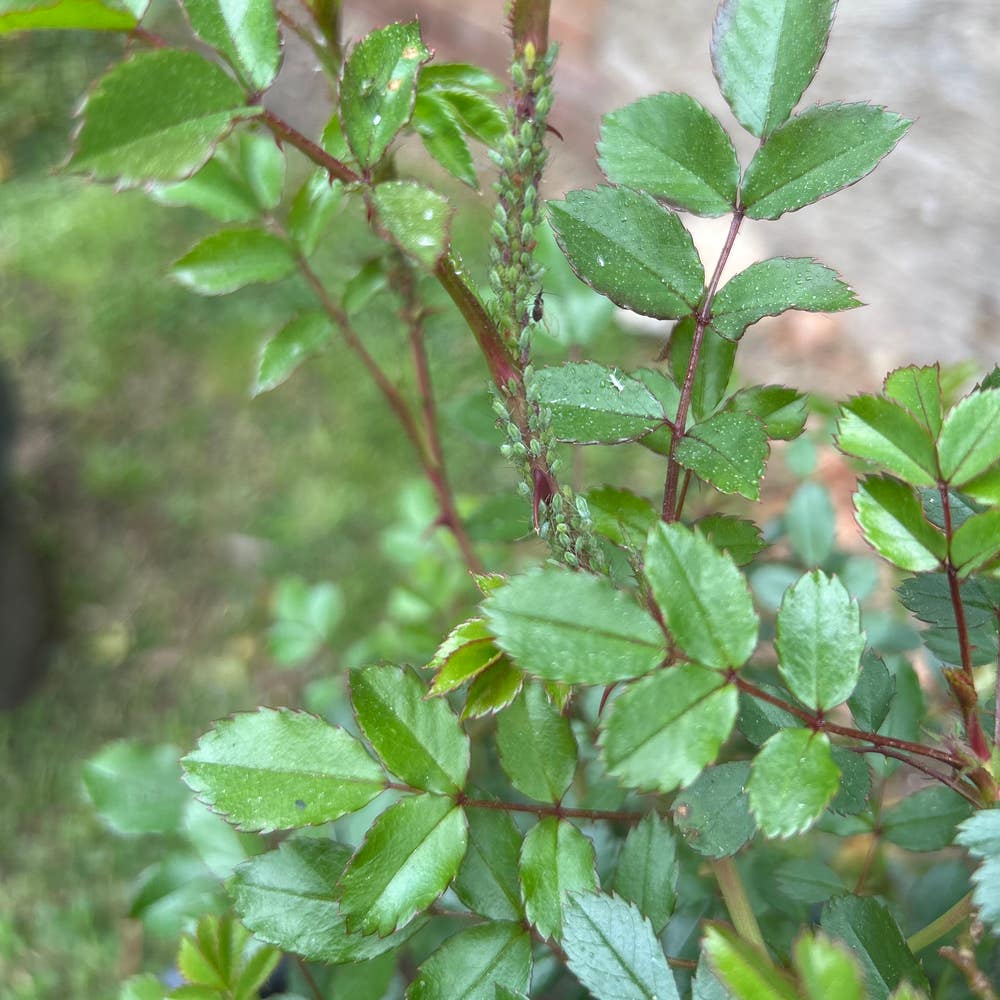
🌹 6 Facts About Rambling Rose Lifecycle
Rosa spp.
By the Greg Editorial Team
Oct 18, 2024•6 min read
This article was created with the help of AI so we can cover more plants for you. May contain errors. See one? Report it here.
- 🌱 Germination takes 2-4 weeks in well-drained, moist soil at 20-25°C.
- ☀️ Full sun (6-8 hours) is vital during vegetative growth for lush foliage.
- 🌸 Flowering lasts 4-6 weeks in late spring, attracting pollinators with fragrant blooms.
Germination Stage
🌱 Duration of Germination
Germination is a crucial first step in the lifecycle of the Rambling Rose. Typically, you can expect seeds to sprout within 2 to 4 weeks.
🌡️ Conditions for Successful Germination
To ensure successful germination, specific conditions must be met.
Optimal Temperature
Aim for a temperature range of 20°C to 25°C (68°F to 77°F) for the best results.
Soil Requirements
Use well-drained, moist soil with a pH between 6.0 and 7.0. This balance helps create a nurturing environment for the seeds.
💡 Light Exposure
Provide indirect sunlight to prevent overheating. Too much direct light can hinder the germination process.
By meeting these conditions, you set the stage for healthy growth. The next phase, the seedling stage, is just around the corner, where you'll witness the first signs of life from your Rambling Rose.
Seedling Stage
🌱 Characteristics of Seedlings
During the seedling stage, you'll notice small, tender leaves that are a light green color. This vibrant hue indicates healthy growth and the establishment of a robust root system.
⏳ Duration of the Seedling Stage
This stage lasts approximately 4-6 weeks before the plant transitions to vegetative growth. You'll know your seedlings are ready when they develop 2-3 sets of true leaves, signaling that they are prepared for the next phase.
The seedling stage is crucial for setting the foundation of your Rambling Rose. Proper care during this time will lead to a stronger, more resilient plant as it matures.
As your seedlings grow, keep an eye on their development, ensuring they have the right conditions to thrive. This attention will pay off as they move into the vegetative growth stage, where the real magic begins.
Vegetative Growth Stage
🌱 Growth Patterns and Duration
The vegetative growth stage of the Rambling Rose lasts between 3 to 6 months. During this time, you'll notice rapid elongation of canes, lush leaf development, and an overall boost in plant vigor.
☀️ Environmental Factors Affecting Growth
To thrive, Rambling Roses need full sun exposure, ideally 6 to 8 hours daily.
- Soil Moisture: Consistent watering is crucial, but be careful to avoid waterlogging.
- Nutrient Availability: Well-draining, nutrient-rich soil is essential for robust growth.
Ensuring these conditions will help your Rambling Rose flourish, setting the stage for the next exciting phases of its lifecycle.
Flowering Stage
Timing of Flowering 🌸
The flowering stage of the Rambling Rose typically occurs from late spring to early summer. Depending on the cultivar, you can expect a vibrant display of blooms lasting about 4-6 weeks.
Characteristics of Flowers 🌼
During this period, you'll notice fragrant flower clusters that come in a variety of colors, including pink, white, and yellow. These beautiful blooms not only enhance your garden's aesthetic but also attract bees and other pollinators, which are crucial for the plant's reproductive success.
The sight of these flowers can be truly uplifting, marking a vibrant phase in the lifecycle of the Rambling Rose. As they flourish, they create a lively atmosphere, inviting nature's helpers to join the party.
Pollination and Its Importance 🐝
Pollination plays a vital role in the flowering stage. The Rambling Rose can be self-pollinating or cross-pollinating, depending on the specific cultivar. This adaptability ensures that the plant can thrive in various conditions, making it a resilient choice for gardeners.
As the blooms attract pollinators, they contribute to the overall health of the ecosystem. This interaction not only supports the rose's growth but also fosters biodiversity in your garden.
In summary, the flowering stage is a crucial and enchanting part of the Rambling Rose's lifecycle. With its stunning blooms and the vital role of pollinators, this phase sets the stage for the next exciting chapter: seed production.
Seed Production Stage
🌼 Process of Seed Production
Pollination is a crucial step in the seed production stage. Depending on the cultivar, rambling roses can be self-pollinating or cross-pollinating, which adds an interesting layer to their reproductive strategy.
After successful pollination, the plant begins to form seed hips. These hips develop after flowering and are essential for the next generation of plants.
⏳ Duration and Conditions for Seed Production
The timeframe for seed development typically spans 6-8 weeks post-flowering. During this period, the plant requires adequate sunlight and moisture to ensure successful seed maturation.
Proper conditions are vital. Without enough light or water, the seed production process can be compromised, affecting future growth.
In summary, understanding the seed production stage is key to cultivating healthy rambling roses. This stage not only ensures the continuation of the species but also enriches the garden with vibrant blooms.
Next, we’ll explore how growth rates and maturation influence the overall lifecycle of rambling roses.
Growth Rate and Maturation
How Long Until Fully Grown? 🌱
Rambling roses typically reach full maturity in about 2-3 years when grown under optimal conditions. This timeframe allows the plant to establish a strong root system and develop robust canes.
Factors Influencing Growth Rate 🌿
Several key factors can significantly impact the growth rate of rambling roses:
Soil Quality: Nutrient-rich, well-draining soil is essential for promoting faster growth. Poor soil can stunt development.
Watering Practices: Consistent moisture levels are crucial. Too little water can lead to stress, while overwatering can cause root rot.
Light Exposure: Full sun conditions, ideally 6-8 hours daily, lead to quicker maturation. Insufficient light can slow growth and reduce flowering.
Comparison of Growth Rates in Different Conditions 🌍
Growth rates can vary dramatically based on environmental factors. In optimal conditions, rambling roses thrive and grow vigorously. Conversely, in suboptimal conditions—like poor soil or inadequate sunlight—their growth can be significantly hindered.
Understanding these factors helps gardeners create the best environment for their rambling roses, ensuring they flourish beautifully. Next, let’s explore the notable changes throughout the lifecycle of these stunning plants.
Notable Changes Throughout the Lifecycle
Changes in Appearance at Each Stage 🌱
During the germination stage, tiny sprouts push through the soil, signaling new life. As the plant transitions to the seedling stage, it develops small, tender leaves and a robust root system.
In the vegetative stage, expect rapid growth with elongated canes and lush foliage. This is followed by the flowering stage, where colorful blooms emerge, adding vibrancy to the garden.
Finally, in the seed production stage, the plant forms seed hips after flowering, completing its lifecycle.
Adaptations to Environmental Conditions 🌞
The rambling rose showcases its adaptability by climbing and spreading to maximize sunlight exposure. Additionally, it alters leaf size and shape based on light availability, ensuring optimal photosynthesis.
Impact of Seasonal Changes on Growth Stages 🍂
Each season brings distinct changes. In spring, growth and flowering kick off, while summer marks the peak of growth and blooming.
As fall approaches, the plant prepares for dormancy and seed production. During winter, it enters a dormant phase, conserving energy for the next cycle of growth.
Understanding these changes not only enhances your appreciation for the rambling rose but also helps you care for it effectively. With this knowledge, you can nurture your plant through its lifecycle, ensuring it thrives in your garden.
⚠️ Safety First
This content is for general information and may contain errors, omissions, or outdated details. It is not medical, veterinary advice, or an endorsement of therapeutic claims.
Always consult a qualified healthcare professional before using any plant as food, medicine, or supplement.
Never eat any plant (or feed one to pets) without confirming its identity with at least two trusted sources.
If you suspect poisoning, call Poison Control (800) 222-1222, the Pet Poison Helpline (800) 213-6680, or your local emergency service immediately.
Spotted an error? Please report it here.
Unlock the secrets of your Rambling Rose's lifecycle 🌹 with Greg's personalized care reminders, ensuring your blooms flourish beautifully at every stage!