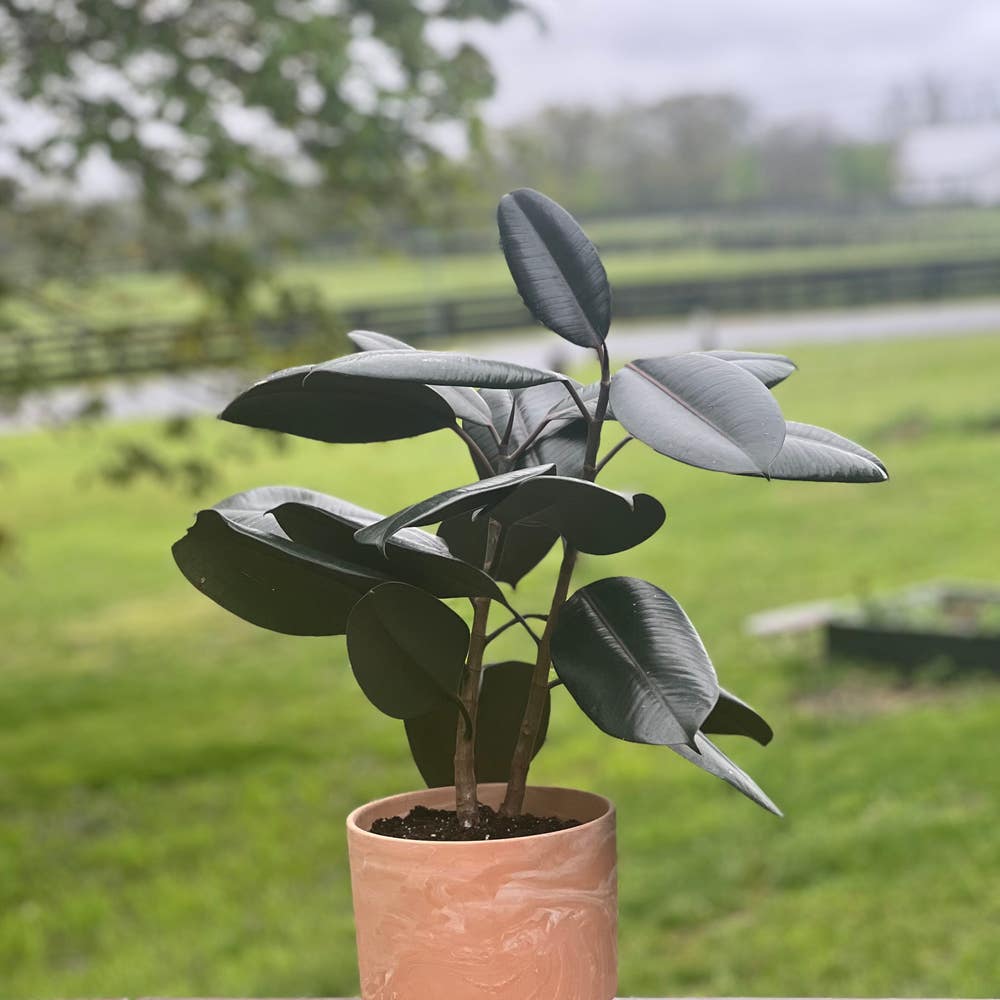
💜 Purple Rubber Plant Is a Perennial
Ficus elastica 'Burgundy'
By the Greg Editorial Team
Oct 17, 2024•8 min read
This article was created with the help of AI so we can cover more plants for you. May contain errors. See one? Report it here.
Transform your garden effortlessly with the stunning, resilient Purple Rubber Plant! 🌱
- 🌱 The Purple Rubber Plant thrives in various conditions, making it versatile for gardeners.
- 🌞 Optimal light and care ensure robust growth, especially in spring and summer.
- ♻️ Low-maintenance perennial regrows annually, saving time and effort for gardeners.
Characteristics of Purple Rubber Plant as a Perennial
🌟 Key Traits of Purple Rubber Plant
The Purple Rubber Plant is a striking perennial known for its large, glossy leaves that add a touch of elegance to any space. These leaves not only catch the eye but also play a crucial role in the plant's overall health and growth.
Another standout feature is its robust growth habit. This plant thrives in various conditions, making it a favorite among gardeners. Its ability to adapt allows it to flourish indoors and outdoors, providing versatility in your gardening choices.
One of the most remarkable traits of the Purple Rubber Plant is its ability to regrow from the same root system each year. This characteristic ensures that, even after a dormant period, the plant can bounce back, showcasing its resilience. This regrowth capability means less hassle for gardeners, as you won't need to replant every season.
In summary, the Purple Rubber Plant's glossy leaves, strong growth, and regenerative roots make it a standout perennial. These traits not only enhance its aesthetic appeal but also simplify care and maintenance, making it an excellent choice for both novice and experienced gardeners.
As we delve deeper into the lifecycle and growth patterns of this fascinating plant, you'll discover how these characteristics play a vital role in its overall health and longevity.
Lifecycle and Growth Patterns
🌱 Multi-Year Lifecycle
The Purple Rubber Plant has a fascinating lifecycle that unfolds over several years. It begins with an initial growth phase, where the plant establishes itself and develops its signature large, glossy leaves.
As it transitions into the maturity phase, the plant reaches its full height and robustness. This stage is crucial for setting the groundwork for future growth. Finally, the rejuvenation phase allows the plant to rest and prepare for another cycle of growth, ensuring it can thrive year after year.
Timeline of Growth
Understanding the timeline of growth can help you anticipate the plant's needs. Typically, the Purple Rubber Plant experiences its most vigorous growth during the spring and summer months, taking advantage of the longer days and warmer temperatures.
In contrast, the fall and winter months signal a slowdown in activity. During this time, the plant conserves energy, preparing for the next growth cycle.
🌿 Growth Patterns and Regrowth from Roots
The Purple Rubber Plant exhibits remarkable growth patterns, particularly in how it utilizes its root system for regrowth. This perennial can regenerate from the same root system each year, allowing it to bounce back even after periods of dormancy.
Seasonal Growth Cycles
Seasonal changes significantly impact growth cycles. During the warmer months, the plant thrives in bright, indirect light, which is essential for photosynthesis and overall health.
In addition to light, the plant's watering and nutrient needs fluctuate with the seasons. Adequate moisture and nutrients during the active growth phase are vital for robust development, while reduced watering is necessary during dormancy.
🌞 Factors Influencing Growth
Several factors influence the growth of the Purple Rubber Plant. Light conditions play a pivotal role; it prefers bright, indirect light to flourish.
Moreover, understanding its watering and nutrient needs is crucial. Overwatering can lead to root rot, while insufficient nutrients may stunt growth. Balancing these elements will ensure your plant remains healthy and vibrant.
With a solid grasp of the Purple Rubber Plant's lifecycle and growth patterns, you're well-equipped to nurture this resilient perennial. Next, we’ll explore how its perennial nature impacts flowering and lifespan, revealing more about its long-term care and beauty.
Impact of Perennial Nature on Growth and Lifespan
🌸 Effects on Flowering and Lifespan
The Purple Rubber Plant is known for its unique flowering characteristics. It typically flowers infrequently, usually under optimal conditions, which include adequate light and proper care.
Perennial classification significantly influences its flowering cycles. Unlike annuals, which bloom once and die, the Purple Rubber Plant can flower multiple times throughout its life, given the right conditions.
In optimal conditions, the expected lifespan of a Purple Rubber Plant can be impressive. Factors such as light, water, and nutrient availability play crucial roles in determining how long your plant will thrive.
⏳ Factors That May Influence Longevity
Several environmental factors can impact the longevity of your Purple Rubber Plant. Temperature, humidity, and light exposure are key elements that should be tailored to suit the plant's needs.
Understanding these factors can help you create an ideal environment, ensuring your Purple Rubber Plant not only survives but flourishes for years to come.
As we explore dormancy and seasonal changes next, you'll see how these cycles further affect growth and care.
Dormancy and Seasonal Changes
Description of Dormancy Periods 🌙
The Purple Rubber Plant typically enters dormancy during the cooler months, usually from late fall to early spring. During this time, you might notice a significant slowdown in growth, as the plant conserves energy.
Signs of dormancy include yellowing leaves and a drop in new growth. Understanding these signals helps you adjust care routines to support the plant through this resting phase.
Impact of Dormancy on Growth 💤
Dormancy affects growth by reducing the plant's metabolic activity. This means less frequent watering and minimal fertilization are necessary, allowing the roots to rest and rejuvenate.
Seasonal Changes in Growth and Care 🌱
As seasons change, so do the light and temperature requirements for your Purple Rubber Plant. In spring and summer, it thrives in bright, indirect light, while cooler months call for a more subdued environment.
Adjustments in watering and fertilization are crucial during these transitions. In warmer months, increase watering frequency and consider a balanced fertilizer to promote healthy growth. Conversely, during dormancy, cut back on both to prevent overwatering and nutrient buildup.
By recognizing these seasonal shifts, you can ensure your Purple Rubber Plant remains vibrant and healthy year-round. This understanding sets the stage for effective care and encourages a flourishing garden.
Advantages for Gardeners
Benefits of Reduced Replanting 🌱
One of the standout perks of the Purple Rubber Plant is its cost-effectiveness as a perennial. Unlike annuals, which require replanting each year, this resilient plant allows you to save both money and effort.
Time savings in garden maintenance are another significant advantage. Once established, the Purple Rubber Plant thrives year after year, freeing you from the hassle of frequent replanting and allowing you to focus on other gardening tasks.
Importance of Established Root Systems 🌳
The established root systems of perennials like the Purple Rubber Plant play a crucial role in nutrient uptake. These robust roots enable the plant to access water and nutrients more efficiently than annuals, leading to healthier growth.
Moreover, perennials offer distinct advantages over annuals in garden planning. Their longevity means you can design your garden with a long-term vision, creating a stable and thriving ecosystem that requires less frequent intervention.
Transitioning to the next section, understanding how climate influences the behavior of the Purple Rubber Plant can further enhance your gardening strategy.
Variations Across Climate Zones
🌡️ Influence of Climate on Behavior
Climate plays a crucial role in the growth and dormancy of the Purple Rubber Plant. In warmer climates, the plant thrives year-round, while cooler regions may trigger a dormant phase.
During dormancy, growth slows significantly, and the plant conserves energy. This adaptation helps it survive harsh conditions, ensuring it can bounce back when temperatures rise.
⏳ Factors Affecting Longevity
Several environmental factors influence the longevity of the Purple Rubber Plant. Temperature, humidity, and light exposure are key players in determining how well the plant performs.
For instance, consistent warmth and moderate humidity promote robust growth. Tailored care, such as adjusting watering and light conditions, can significantly enhance the plant's lifespan in various climates.
Understanding these factors allows gardeners to create optimal conditions for their Purple Rubber Plants, ensuring they flourish for years to come.
Maximizing Benefits in Garden Planning
Tips for Long-Term Cultivation 🌱
Caring for your Purple Rubber Plant can be straightforward with a few best practices. Establish a consistent watering schedule, ensuring the soil remains slightly moist but not soggy.
Nutrient management is equally crucial. Use a balanced fertilizer during the growing season to promote robust growth and vibrant foliage.
Pruning is another essential technique. Regularly trim back any leggy growth to encourage a bushier appearance and maintain the plant's overall health.
Strategies for Incorporating in Garden Design 🏡
Placement is key for optimal light and growth. Position your Purple Rubber Plant in a spot that receives bright, indirect light to maximize its potential.
Consider companion planting to enhance both aesthetics and health. Pair it with plants that thrive in similar conditions, creating a harmonious garden environment.
By following these tips and strategies, you can ensure your Purple Rubber Plant thrives, enriching your garden for years to come. Next, let’s explore how climate variations can influence its growth and longevity.
⚠️ Safety First
This content is for general information and may contain errors, omissions, or outdated details. It is not medical, veterinary advice, or an endorsement of therapeutic claims.
Always consult a qualified healthcare professional before using any plant as food, medicine, or supplement.
Never eat any plant (or feed one to pets) without confirming its identity with at least two trusted sources.
If you suspect poisoning, call Poison Control (800) 222-1222, the Pet Poison Helpline (800) 213-6680, or your local emergency service immediately.
Spotted an error? Please report it here.
Transform your space with the resilient Purple Rubber Plant 🌿, and let Greg guide you with tailored care reminders to keep it thriving effortlessly all year round!