🍑 Ultimate Guide to Peach Tree Varieties
Prunus persica
By the Greg Editorial Team
Jul 28, 2024•7 min read
This article was created with the help of AI so we can cover more plants for you. May contain errors. See one? Report it here.
- 🍑 Diverse peach varieties offer unique flavors, adaptability, and visual appeal.
- Classic to hybrid cultivars require tailored care, including pruning and frost protection.
- 🌱 Experiment with varieties for a resilient garden and delightful flavor discoveries.
Peach Tree Diversity
Understanding the lingo is key when diving into the world of peach trees. 'Cultivars' are cultivated varieties that have been selectively bred for desirable traits, like bigger fruit or better disease resistance. 'Hybrid varieties' result from crossbreeding different peach species or cultivars, often leading to unique flavors and appearances. And then there are 'rare varieties,' those lesser-known gems that add a touch of exclusivity to any orchard.
- Cultivars: Selectively bred for specific characteristics.
- Hybrid Varieties: Crossbred for unique traits.
- Rare Varieties: Uncommon and often sought-after.
Choosing the right variety is crucial; it's not just about the taste or the size of the peaches. Each variety comes with its own set of quirks and charms, from the Elberta's adaptability to the Arctic Supreme's cold-hardiness. Your selection impacts everything from the care you'll provide to the time of year you'll be harvesting. It's a blend of art and science, with a dash of personal preference.
Classic Cultivars
Elberta Peach 🍑
The Elberta Peach stands out with its large, succulent fruit and a reputation for sweetness that's hard to beat. This cultivar, a favorite since its Georgia origins in 1870, thrives in zones 5-8, making it a versatile choice for many gardeners.
- Ideal for fresh eating, canning, and baking due to its freestone nature and robust flavor.
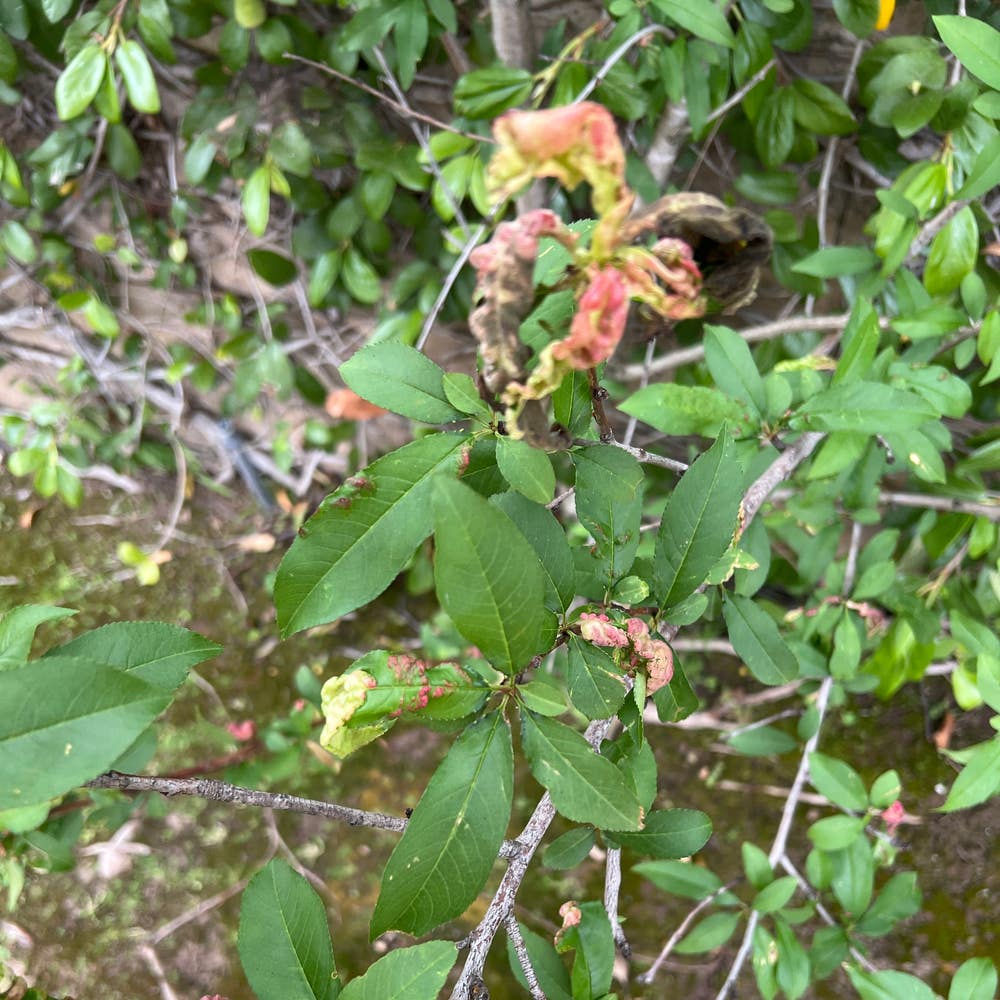
- Requires full sun and well-drained soil; watch for signs of Peach Leaf Curl and treat promptly.
Red Haven Peach 🍑
Red Haven Peach is the go-to for a firm bite and a tangy kick that enlivens the palate. It's a mid-season variety that's almost fuzzless, a trait that makes it a delight to handle and eat.
- Excellent for both fresh consumption and canning, thanks to its medium size and freestone quality.
- Performs best in zones 5-8; consistent watering and routine pruning will keep this tree at its peak.
White Lady Peach 🍑
The White Lady Peach is a dessert lover's dream with its creamy exterior and intoxicatingly aromatic white flesh. Its low acidity makes it a perfect addition to sweet dishes without overpowering them.
- A hit in fruit salads, tarts, and as a fresh snack, especially for those who prefer a milder peach flavor.
- Prefers full sun and requires careful watering to prevent cracking; suited for zones 5-9.
Unique Shapes and Flavors
🍩 Saturn Peach
The Saturn Peach stands out in the orchard with its whimsical donut shape and a sweetness that rivals the best of peach varieties. Originally from China, this early-season producer has made its way into the hearts of peach enthusiasts worldwide.
- Exceptionally sweet taste, often considered the sweetest among peach varieties.
- Donut shape makes it a unique addition to any fruit basket or dish.
Cultivating the Saturn Peach requires attention to its early bloom cycle and a fondness for its delicate nature. Despite its susceptibility to stem pick damage, it remains a sought-after variety for its novelty and flavor.
- Early season blooming requires readiness for a swift harvest.
- Prized in markets for its unique shape and exceptional sweetness.
❄️ Arctic Supreme Peach
The Arctic Supreme Peach, with its cold-hardiness and striking red-blushed white flesh, is a testament to the adaptability of peach trees. This variety thrives in cooler climates where others may falter, offering a robust option for northern growers.
- Red-blushed white flesh provides a visually appealing contrast.
- Known for its resilience in low-temperature environments.
Growing the Arctic Supreme Peach involves specific considerations to accommodate its preference for cooler climates and its distinctive fruit quality.
- Requires protection from late frosts due to its early blooming nature.
- Benefits from a location that offers a balance of sunlight and chill hours.
Hybrid Innovations
🍑 Galaxy Peach
The Galaxy Peach, with its striking pink and yellow skin, is a visual delight and a sweet treat for the palate. This donut-shaped variety stands out not just for its unique form but also for its robustness against common diseases, making it a less labor-intensive option for growers.
- Notable for its disease resistance.
- Thrives in colder zones compared to other peach varieties.
🍑 Parfait Peach
Parfait Peach's red and yellow marbled skin is as enticing as its aromatic flavor. This cultivar is not only a feast for the eyes but also a hardy contender in the orchard, boasting impressive disease resistance.
- Aromatic taste with visually appealing marbled skin.
- Known for its resilience to common peach ailments.
🍑 Honey Blaze Peach
Honey Blaze Peach is a golden delight, with skin that blushes red and a flavor reminiscent of honey. This variety is celebrated for its productivity and its ability to stand up to diseases, making it a reliable choice for both commercial growers and home gardeners.
- Honey-like flavor with a beautiful golden-red skin.
- High productivity and notable disease resistance.
Cultivar Care Considerations
🎨 Color and Size Variations
Peach tree cultivars come in a kaleidoscope of colors and a variety of sizes, each with its own set of care considerations. Here's how these traits can influence your gardening approach:
- Aesthetic Impact: The color of your peach tree's leaves, blossoms, and fruit can transform your garden's palette. From the deep reds of 'Honey Blaze' to the creamy hues of 'White Lady', each cultivar adds its own visual flair.
- Practical Care: Size matters when it comes to maintenance. Larger cultivars like 'Elberta' may require more space and sturdier support, while compact varieties like 'Saturn' are suitable for smaller gardens and may need less pruning.
🌟 Special Requirements
Tailored care practices ensure your peach trees thrive. Consider these special requirements for specific cultivars:
- Pruning: Precision is key. Remove dead or diseased wood to promote healthy growth and better fruit production. Some cultivars may need specific pruning techniques to maintain shape and size.
- Frost Protection: Certain varieties, like 'Arctic Supreme', boast cold-hardiness, but others may need extra protection from late frosts. Employ frost cloths or consider strategic planting locations to shield sensitive blossoms.
- Disease and Pest Resistance: Cultivars like 'Parfait Peach' are bred for disease resistance, which can mean fewer chemical treatments. Still, regular inspections are crucial to catch any issues early on.
Cultivating Variety
Diving into the world of peach tree cultivars can be as rewarding as it is fascinating. Whether you're a seasoned orchardist or a backyard enthusiast, experimenting with different peach varieties can lead to delightful discoveries and a more resilient garden.
Encouragement to experiment with different cultivars:
- Explore early, mid, and late-season peaches to extend your harvest window.
- Consider climate when selecting cultivars; some thrive in cold, others in heat.
- Try disease-resistant varieties for a more carefree growing experience.
- Don't shy away from smaller trees like dwarf varieties for compact spaces.
Resources for sourcing peach tree varieties and community engagement:
- Local cooperative extension agents are a goldmine for regional advice.
- University agricultural services can guide you to the best local cultivars.
- Community gardens and local orchards often share cuttings and experience.
- Social media groups and local gardening clubs can be rich with insights and support.
- For the adventurous, grafting allows for custom trees with preferred traits.
Remember, while locally-sourced trees are usually climate-appropriate, always confirm that your chosen variety will thrive in your specific conditions. Embrace the joy of growing and the camaraderie of fellow peach aficionados as you cultivate not just fruit, but also connections.
⚠️ Safety First
This content is for general information and may contain errors, omissions, or outdated details. It is not medical, veterinary advice, or an endorsement of therapeutic claims.
Always consult a qualified healthcare professional before using any plant as food, medicine, or supplement.
Never eat any plant (or feed one to pets) without confirming its identity with at least two trusted sources.
If you suspect poisoning, call Poison Control (800) 222-1222, the Pet Poison Helpline (800) 213-6680, or your local emergency service immediately.
Spotted an error? Please report it here.
Find your ideal peach tree variety and enjoy bountiful harvests 🍑 with Greg's tailored reminders for pruning and protection, ensuring your peachy success.