🍑 What Do I Do About Peach Tree Root Rot?
Prunus persica
By the Greg Editorial Team
Jun 18, 2024•4 min read
This article was created with the help of AI so we can cover more plants for you. May contain errors. See one? Report it here.
- Wilting, yellowing leaves signal potential root rot in peach trees.
- Prune affected roots and adjust watering to combat root rot.
- Choose resistant rootstock and improve soil to prevent future issues.
Spotting the Red Flags: Identifying Root Rot in Peach Trees
🚨 Visible Symptoms
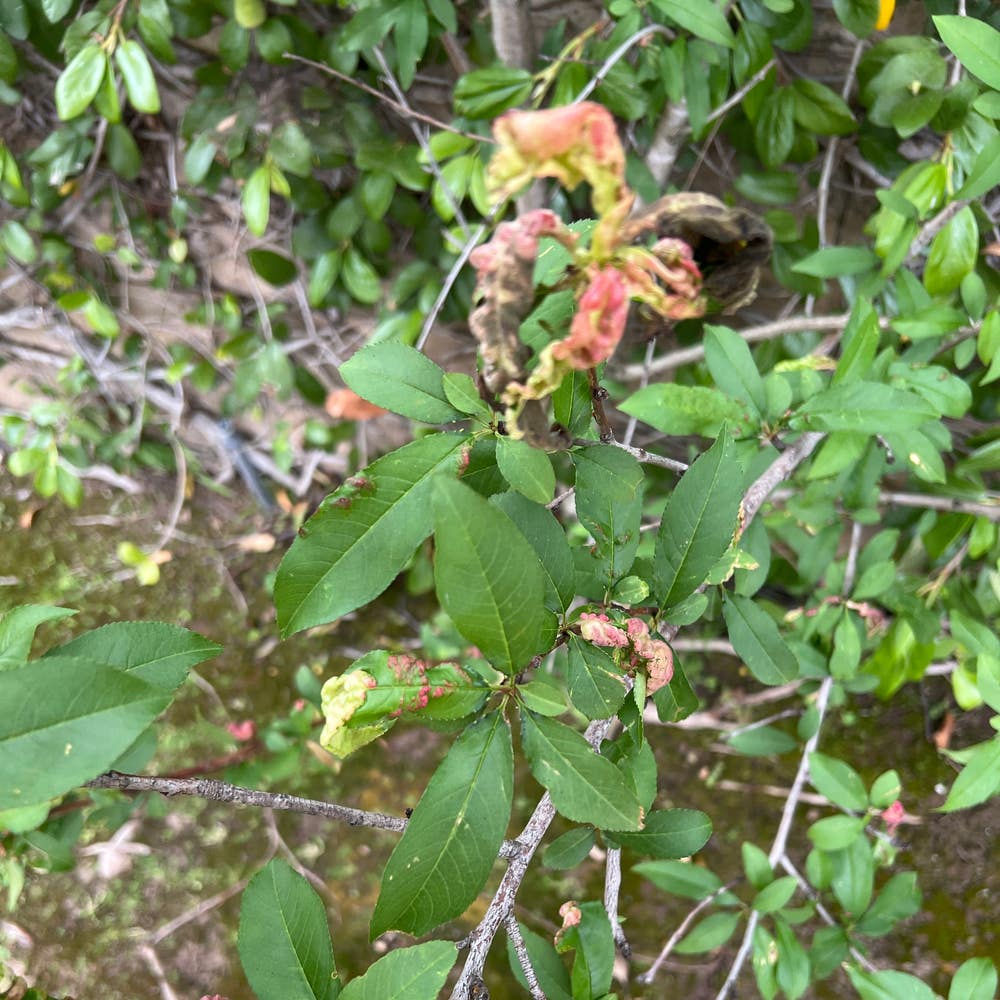
Wilting and yellowing leaves are your peach tree's cry for help, signaling potential root rot. Stunted growth? Another bad omen. Don't just stand there—get your hands dirty and inspect the roots. Soft, brown, or mushy? Bad news, they're decaying.
🕵️♂️ How to Inspect Roots
Dig in near the tree base and gently unearth a section of root. Healthy roots are firm and white, while rotten ones are dark and crumbly. A sharp line between healthy and diseased tissue? That's root rot's calling card.
🌧 Contributing Factors
Excessive soil moisture and poor drainage are the usual suspects here. They create a playground for Phytophthora spp., the fungal pathogens with a taste for peach tree roots.
🍄 The Role of Fungal Pathogens
It's not just Phytophthora; other fungi like Rhizoctonia and Armillaria also love to feast on your tree's roots. They thrive in wet conditions, turning your peach tree's foundation into a rotten mess.

First Response: Immediate Actions to Combat Root Rot
🌱 Pruning Damaged Roots
When root rot rears its ugly head, it's time for some tough love. Grab your sterilized shears and get ready to perform some root surgery.
- Identify the damaged roots: they're the ones that look mushy and brown, and they might even smell a bit off.
- Snip them off cleanly, ensuring you don't harm the healthy, firm, and white roots that are still fighting the good fight.
💧 Adjusting Watering Habits
Overzealous watering can drown your peach tree's hopes for health. Ease up on the hydration to give the soil and roots time to breathe.
- Monitor the soil moisture like a hawk; it should be moist but not soggy.
- Water only when the soil feels dry to the touch, and even then, think of it as a refreshing sip, not a flood.
🦠 Applying Fungicides
Fungicides are your chemical cavalry, but only if you use them wisely. Choose a fungicide that's a known nemesis of root rot pathogens.
- Consult with a plant health expert to pick your potion.
- Follow the label's instructions to the letter because, in this case, more is definitely not merrier.

Long-Term Strategies: Preventing Future Root Rot
🌱 Improving Soil Drainage and Structure
Soil drainage isn't just about avoiding puddles; it's about giving your peach tree's roots the VIP treatment they deserve. To prevent waterlogging, consider raised beds or agricultural drainage pipes, especially in rain-prone areas. A simple test can save you a headache: dig a hole, fill it with water, and if it's still there after an hour, you've got a no-go zone for planting.
Organic matter is like a superhero for soil structure. It improves drainage, provides nutrients, and keeps the soil from getting as compact as a packed elevator. Regularly work in compost or other organic materials to keep your soil in top form.
💧 Smart Watering and Soil Care
Overwatering is the root of all evil when it comes to root rot. Water only when the soil feels dry to the touch, and do it with the precision of a brain surgeon. Mulching is your ally here, conserving moisture and preventing your tree from getting thirsty too quickly.
Soil testing isn't just for lab coats and science fairs. It's crucial for understanding what's going on beneath the surface. Keep tabs on pH and nutrients to ensure your peach tree isn't dining on the equivalent of fast food.
🌳 Choosing the Right Rootstock
Selecting the right rootstock is like choosing a partner for a three-legged race; you want strength and compatibility. Opt for varieties known for their resistance to root rot and you'll be investing in a future of fewer headaches and healthier trees.

⚠️ Safety First
This content is for general information and may contain errors, omissions, or outdated details. It is not medical, veterinary advice, or an endorsement of therapeutic claims.
Always consult a qualified healthcare professional before using any plant as food, medicine, or supplement.
Never eat any plant (or feed one to pets) without confirming its identity with at least two trusted sources.
If you suspect poisoning, call Poison Control (800) 222-1222, the Pet Poison Helpline (800) 213-6680, or your local emergency service immediately.
Spotted an error? Please report it here.
Combat peach tree root rot with smart watering 💧 and soil care, using Greg's custom watering plans to keep your orchard thriving.