🌞 Is My Peach Tree Getting Too Much Direct Sunlight?
Prunus persica
By the Greg Editorial Team
Jun 18, 2024•3 min read
This article was created with the help of AI so we can cover more plants for you. May contain errors. See one? Report it here.
- 🍑 6-8 hours of direct sunlight needed for top-notch peaches.
- Leaf scorch and sunburnt bark signal too much sun.
- Adapt to sun's path for year-round peach tree bliss.
Peach Trees Love Sunbathing: Here's Why
🌞 The Sweet Spot: Hours of Sunlight Needed
Peach trees crave the sun's embrace for juicy, sweet peaches. They need a solid 6-8 hours of direct sunlight daily. Less than that, and you're skimping on the sweetness; more, and you might be pushing it.
🌞 When Sunlight Gets Too Intense
Too much of a good thing? Peach trees will tell you. Look for leaf scorch or a sunburnt bark. It's like they're saying, "I've had my fill of vitamin D, thanks!" If you notice these signs, it's time to dial back the sunbathing.
🌞 The Shade Shuffle: Balancing Sun Exposure
On those blistering hot days, your peach tree might need a sunglasses moment. Create some shade to give it a break from the intense afternoon sun. A well-placed umbrella or a strategically timed water mist can be a game-changer.

Windows and Hemispheres: The Sunlight Tango
🧭 North, South, East, West: Window Directions Decoded
In the Northern Hemisphere, south-facing windows are the sun's favorite dance floor, showering your peach tree with the most consistent light all day. Flip the script in the Southern Hemisphere, where north-facing windows are the sun magnets. East-facing windows greet your tree with a gentle morning light, ideal for a soft start. West-facing windows, however, pack a punch with intense afternoon rays that can stress your peach tree if not moderated. North-facing windows are the chill zones, offering low light that won't cut it for your sun-loving peach tree.
💡 Hemisphere Hacks: Maximizing Sunlight Year-Round
Adapting to the sun's path is crucial from the tropics to the poles. In the tropics, the sun's high position means less worry about window direction—your peach tree will get its fill. As you move towards the poles, the angle of sunlight becomes more acute, making window direction a game-changer for your tree's sunbathing habits. Use reflective surfaces to bounce light around during darker months, or consider a grow light to keep the sunny vibes going. Remember, though, artificial light is like a vitamin supplement—not a full meal. Keep an eye on seasonal shifts; your tree's prime spot in summer might need a winter shuffle.

Sun-Kissed or Sunburnt? Keeping Your Peach Tree Happy
🌞 Spotting Trouble: Symptoms of Sun Stress
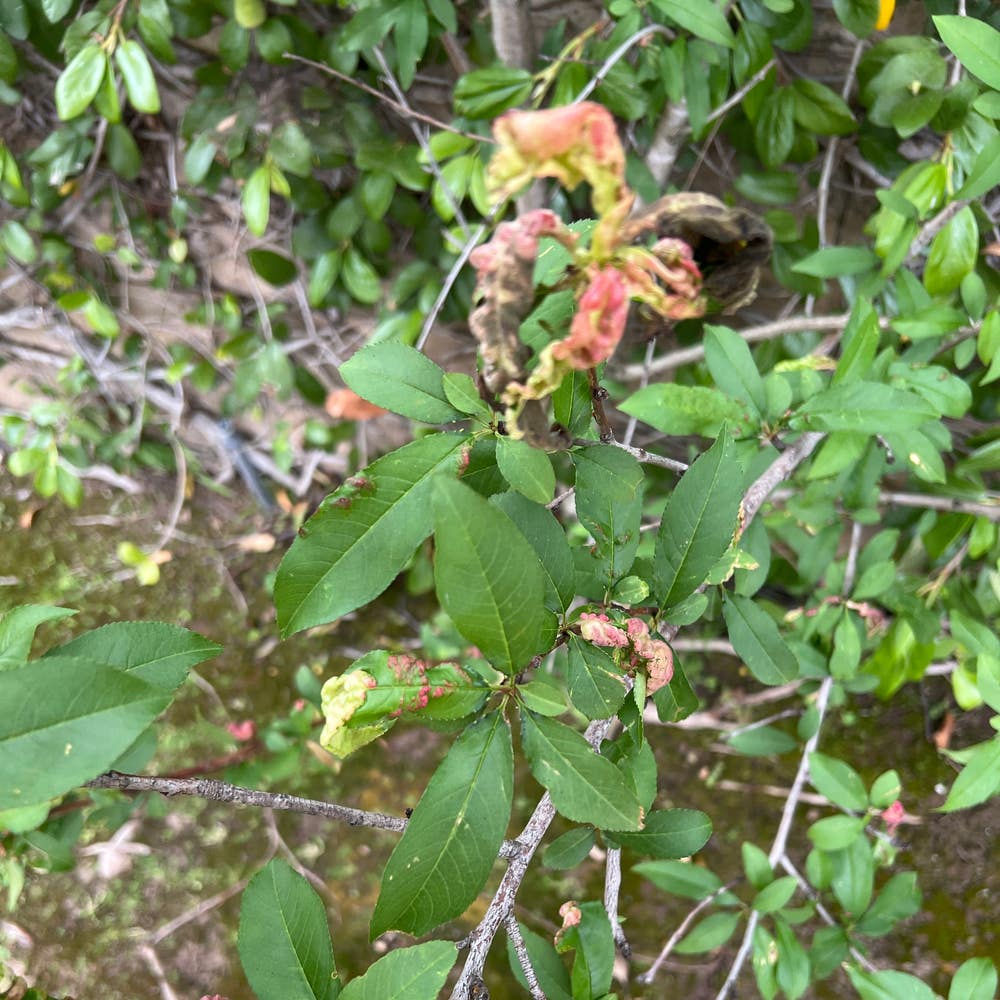
Peach trees bask in the sun, but too much can spell trouble. Wilting leaves, a classic distress signal, indicate your tree could be sun-stressed. Sunburn may manifest as reddish-brown patches on the bark, akin to a bad human tan. If leaves start looking like they've been through a fryer—crispy and discolored—it's a cry for help. Immediate action is needed; think of it as an S.O.S. from your tree.
The Perks of Perfect Sunlight
When your peach tree gets the Goldilocks amount of sunlight, it thrives. The right rays can lead to a bounty of juicy, quality peaches that'll make your mouth water just thinking about them. Healthy leaves will have a vibrant green hue, and the tree's growth will be robust, not sluggish. It's about finding that sweet spot where the sun's kiss is just enough to coax out the best in your peachy companion.

⚠️ Safety First
This content is for general information and may contain errors, omissions, or outdated details. It is not medical, veterinary advice, or an endorsement of therapeutic claims.
Always consult a qualified healthcare professional before using any plant as food, medicine, or supplement.
Never eat any plant (or feed one to pets) without confirming its identity with at least two trusted sources.
If you suspect poisoning, call Poison Control (800) 222-1222, the Pet Poison Helpline (800) 213-6680, or your local emergency service immediately.
Spotted an error? Please report it here.
Ensure your peach tree thrives with just the right amount of sunlight by using Greg's customized care alerts 🌞.