🍑 Step-by-Step Guide to Understanding Peach Tree Lifecycle
Prunus persica
By the Greg Editorial Team
Jul 28, 2024•6 min read
This article was created with the help of AI so we can cover more plants for you. May contain errors. See one? Report it here.
- 🌱 Seed to sprout requires moisture and cold stratification.
- 🌞🌳 Sunlight, soil, and temperature crucial for vegetative growth.
- 🍑 Peach trees mature in 3-5 years, live around 12 years.
Seed Germination
Peach tree seeds require specific conditions to break dormancy and begin the journey from seed to sprout. Here's what you need to know:
Conditions for Germination:
- Consistent moisture is crucial; a dry seed is a dormant seed.
- Cold stratification mimics winter conditions, kickstarting the germination process.
- Patience is key—germination can take several weeks to a few months.
Timeline and Stages:
- The seed coat cracks open first, a sign that the seed is waking up.
- A radicle, or embryonic root, emerges, marking the beginning of growth.
- Sprouting can take anywhere from a few weeks to months, depending on conditions.
From Seed to Sprout:
- Once the radicle appears, the seed transforms into a seedling.
- Growth stages are gradual, with the seedling eventually developing its first true leaves.
- Maturation time varies, but the initial sprout is a promise of the reproductive cycle to come.
Vegetative Growth
The vegetative growth stage is a bustling period of development for peach trees, marked by the sprouting of leaves and the extension of branches. This phase is crucial as the tree constructs the framework for future fruit production.
- Rapid cell division and elongation characterize this stage, leading to increased foliage and a stronger structure.
- The duration of vegetative growth can vary but typically spans several years, laying the groundwork for the tree's reproductive capabilities.
🌿 Influencing Factors
A peach tree's vegetative phase is influenced by a symphony of environmental conditions.
- Adequate sunlight, soil moisture, and nutrient availability are pivotal in determining the vigor and extent of growth.
- Temperature plays a significant role, with warm climates generally accelerating the timeline, while cooler regions may prolong it.
Signs of Maturity
As peach trees approach the end of the vegetative stage, subtle changes hint at the onset of maturity.
- Branches thicken and the canopy densifies, signaling the tree's preparedness for the energy-intensive tasks ahead.
- Observing these transformations provides insight into the tree's readiness to enter the flowering stage, the next chapter in its reproductive cycle.
Flowering Stage
The flowering stage is a pivotal moment in a peach tree's life, signaling its readiness to reproduce. Here's what happens:
Onset of Flowering: Typically in April, the tree bursts into a display of blooms, a process influenced by genetics and environmental factors like temperature and photoperiod.
Duration and Conditions: Flowering can last from a few days to over a week, requiring the right balance of light and humidity to ensure successful development.
Pollination and Fruit Set:
- Pollination: Bees and other insects are crucial for transferring pollen from flower to flower, initiating the fruit set.
- Beginning of Fruit Set: After pollination, the flowers give way to small fruits that begin to grow and mature, marking the start of the fruit production stage.
Fruit Production
Peach trees enter a delightful phase of fruit production after the flowering stage, where the promise of sweet, juicy peaches begins to materialize. This stage is critical in the tree's reproductive cycle, as it leads to the development of the fruits that house the seeds for future generations.
- The growth of peach fruits is a gradual process, starting with small green fruits that gradually enlarge and change color to the characteristic yellow-orange as they ripen.
- A typical timeline from flowering to fruit harvest spans approximately 3 to 5 months, depending on environmental conditions and the specific peach variety.
Peach trees are known for their tendency to set more fruits than they can sustain to maturity. To ensure the development of larger and healthier fruits, gardeners often thin the fruits early in the season.
- Thinning involves removing excess fruits, particularly those that are damaged or deformed, to allow the remaining ones ample space and resources to grow.
- Harvesting should be done when the peaches are fully ripe, which is indicated by a full color change and a slight give to the touch.
As part of the reproductive cycle, the peach tree prepares for the next generation through seed dispersal. Once the fruits are consumed or fall to the ground, the seeds have the potential to germinate and grow into new peach trees, continuing the lifecycle.
- However, most cultivated peach trees are propagated through grafting rather than seed, as this ensures the new trees inherit the desirable traits of the parent plant.
- Seed dispersal is more common in wild peach varieties, where the natural processes allow for genetic diversity and adaptation to the environment.
Maturation and Longevity
Peach trees, known for their sweet fruits and blossoms, reach full maturity and maximum fruit production typically within 3 to 5 years. The journey from a fledgling sapling to a robust tree is marked by several growth stages and influenced by factors such as climate, soil quality, and care.
- Timeframe for reaching full growth: 3-5 years
- Factors influencing growth: climate, soil quality, care
The average lifespan of a peach tree is about 12 years, though with optimal conditions and management, some trees can thrive for longer. Throughout their life, peach trees undergo a clear maturation process:
- Juvenile phase: Rapid growth and establishment
- Reproductive phase: Flowering and fruiting
- Senescence: Gradual decline in vigor
🍑 "How long until Peach Tree is fully grown?" and "How fast does Peach Tree grow?" are questions with answers that hinge on the tree's environment and the grower's attentiveness. The reproductive cycle, a critical phase, begins once the tree has matured, setting the stage for annual fruit production.
Seasonal Changes and Adaptations
Peach trees are deciduous, experiencing distinct growth phases and dormancy periods driven by seasonal changes. Understanding these cycles is crucial for successful cultivation.
🌸 Dormancy and Awakening
- Winter dormancy is a rest phase, with internal chemical preparations for spring.
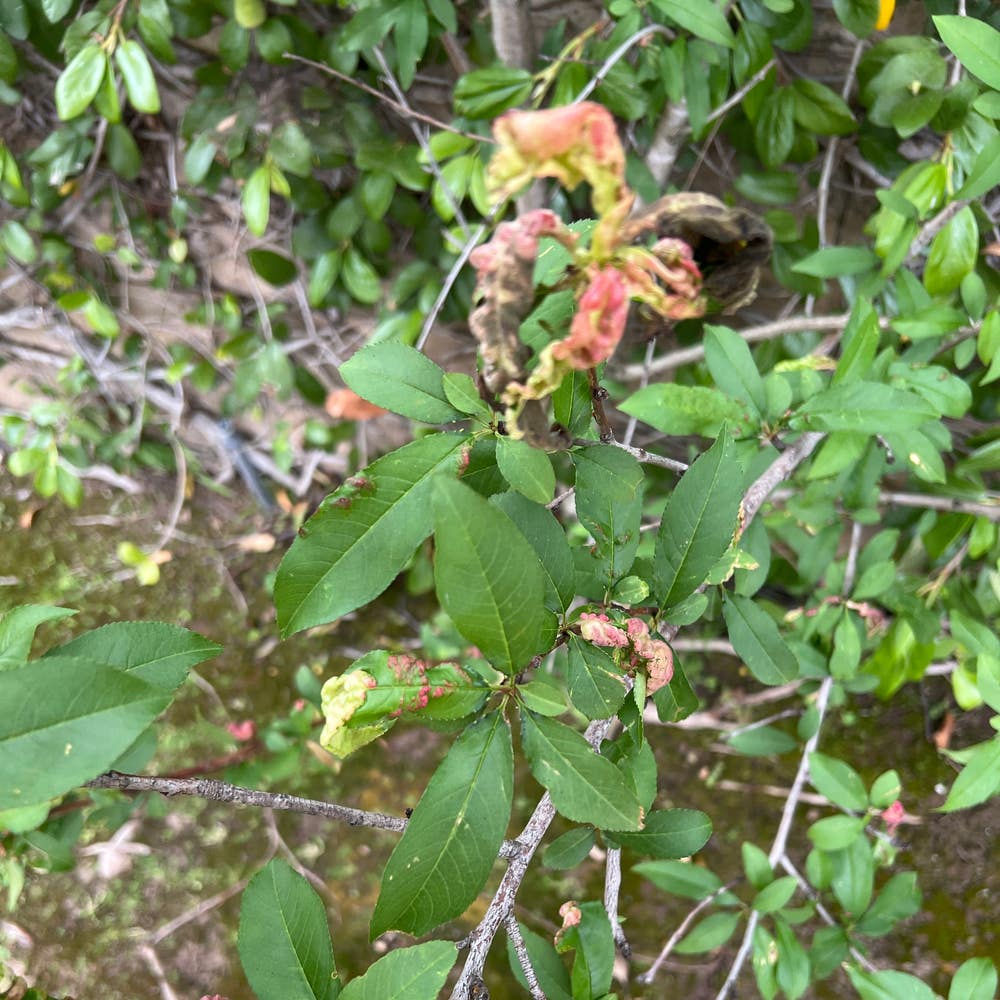
- Growers often apply treatments during this time to prevent diseases like leaf curl.
🌱 Spring Renewal
- As temperatures rise, flower buds swell, signaling the onset of the growth season.
- The tree's blossoming is not just a visual spectacle but a critical pollination phase.
☀️ Summer Vigor
- Long, warm days spur vegetative growth, setting the stage for fruit development.
- Adequate watering during this time is essential, as indicated by monthly water usage patterns.
🍂 Fall Preparations
- Trees display a colorful foliage change before entering dormancy.
- Growers may perform selective pruning to shape the tree and encourage healthy growth for the following year.
Peach trees have adapted to thrive in a cycle of growth and rest, influenced by temperature, humidity, and light. They require a chilling period for proper bud development, yet must also withstand the unpredictability of climate change, such as erratic freeze-thaw events. By choosing the right variety for the climate and monitoring environmental conditions, growers can support their peach trees through each season's unique challenges.
⚠️ Safety First
This content is for general information and may contain errors, omissions, or outdated details. It is not medical, veterinary advice, or an endorsement of therapeutic claims.
Always consult a qualified healthcare professional before using any plant as food, medicine, or supplement.
Never eat any plant (or feed one to pets) without confirming its identity with at least two trusted sources.
If you suspect poisoning, call Poison Control (800) 222-1222, the Pet Poison Helpline (800) 213-6680, or your local emergency service immediately.
Spotted an error? Please report it here.
Ensure your peach tree thrives through every lifecycle stage with custom care plans 🌳 from Greg, from germination to harvest.