🍑 How to Prepare Your Peach Tree for Winter
Prunus persica
By the Greg Editorial Team
Jul 28, 2024•3 min read
This article was created with the help of AI so we can cover more plants for you. May contain errors. See one? Report it here.
- 🍑 Choose cold-tolerant varieties and acclimate trees to cold for better winter survival.
- ❄️ Implement frost protection with mulch, blankets, and windbreaks; adjust watering and fertilizing.
- 🌷 Post-winter: Inspect for damage, gradually resume care, and apply mulch for spring revival.
Pre-Winter Preparation
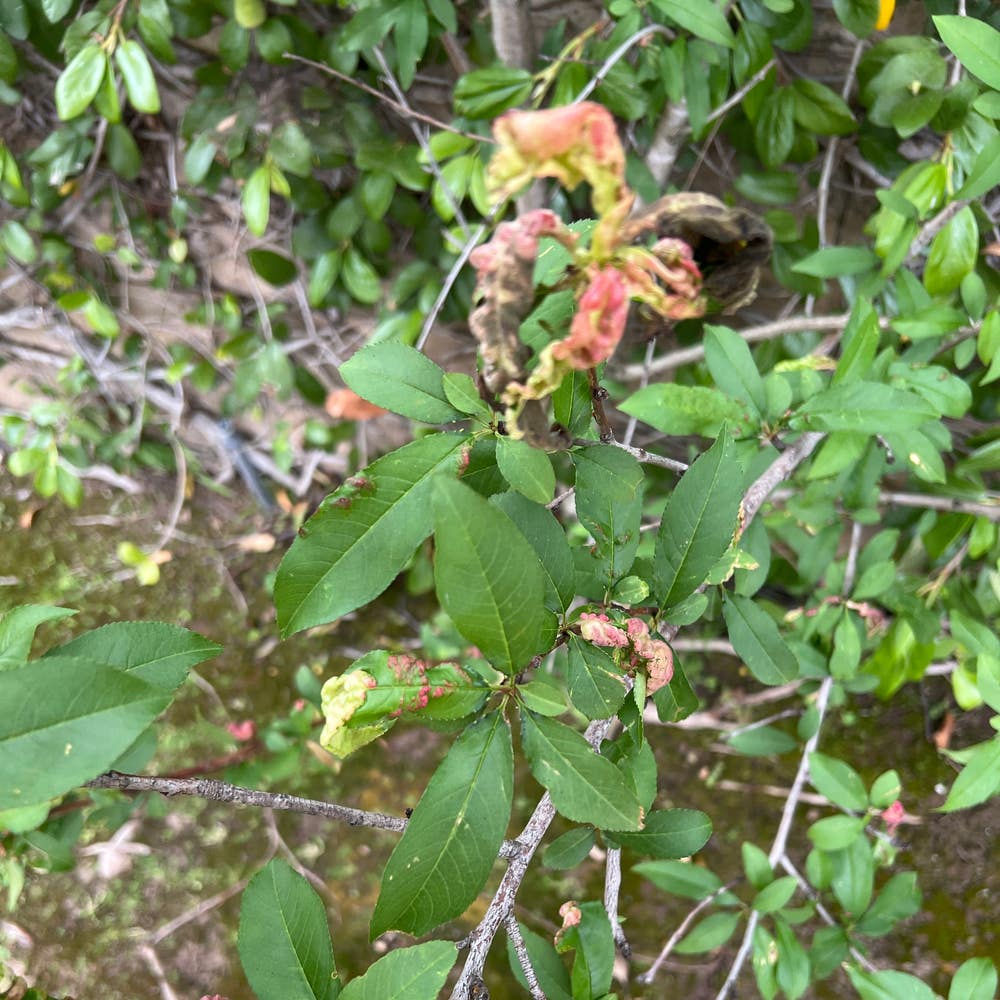
Assessing Tree Health
- Look for signs of disease or stress, such as off-color leaves, fungal growth, or dead branches.
- Confirm the tree's vitality to improve its chances against winter's harshness.
❄️ Enhancing Cold Hardiness
- Choose a location and peach tree variety known for better cold tolerance.
- Gradually acclimate the tree to dropping temperatures using these techniques:
- Apply a protective coating to the trunk to prevent frost cracks and sunscald.
- Avoid late fall pruning, which can reduce cold hardiness and stimulate unwanted growth.
- Ensure proper soil drainage and reduce watering to help roots withstand cold.
- Consider windbreaks or strategic planting to shield the tree from cold winds.
Winter Care Essentials
❄️ Frost Protection Strategies
Peach trees, while dormant in winter, still need defense against frost. Here's how to shield them from the cold:
- Mulch the base of your tree with a thick layer to insulate the roots, extending to the drip line.
- Use frost blankets or burlap wraps to cover the tree, especially on nights when frost is predicted.
- Erect windbreaks or barriers if your tree is in a windy location to minimize cold wind exposure.
💧 Watering and Fertilizing Adjustments
During winter's chill, your peach tree's needs change:
- Cut back on watering, but don't let the tree dry out completely, even in dormancy.
- Stop fertilizing to prevent new growth, which is vulnerable to frost damage. Resume only when spring approaches.
Monitoring and Maintenance
⛈️ Weather Watch
Keeping a close eye on the weather is crucial for peach tree winter care. Here's what to focus on:
- Monitor local weather forecasts for sudden drops in temperature or severe winter storms.
- Be ready to implement emergency frost protection measures, such as extra mulching or deploying frost blankets, when extreme cold is predicted.
🔍 Regular Inspections
Routine checks throughout the winter can save your peach tree from potential hazards:
- Inspect for signs of frost damage, indicated by darkened, sunken, or brittle areas on the bark and branches.
- Look for rodent activity, such as gnaw marks or burrows near the base of the tree, which can harm the tree's health.
- Confirm that all winter protection, like mulch layers and windbreaks, are intact and effective against the elements.
Post-Winter Recovery
Assessing Winter Impact ❄️
As winter wanes, it's crucial to examine your peach tree for signs of damage. Look for broken branches, frostbite on buds, and any evidence of disease or pest infestation that could compromise the tree's spring revival.
- Check for dead or damaged branches that need pruning.
- Inspect the trunk and larger branches for cracks or splits.
- Look for discolored or wilted leaves that might indicate lingering issues.
Spring Revival Techniques 🌸
With the arrival of spring, it's time to gently coax your peach tree back to life. This is a delicate period where the right care can set the tone for the growing season.
- Resume watering gradually, increasing frequency as the weather warms.
- Hold off on fertilizing until new growth appears, then provide a balanced feed.
- Reapply mulch to conserve moisture and regulate soil temperature.
- Amend the soil if necessary to replenish nutrients and improve structure.
⚠️ Safety First
This content is for general information and may contain errors, omissions, or outdated details. It is not medical, veterinary advice, or an endorsement of therapeutic claims.
Always consult a qualified healthcare professional before using any plant as food, medicine, or supplement.
Never eat any plant (or feed one to pets) without confirming its identity with at least two trusted sources.
If you suspect poisoning, call Poison Control (800) 222-1222, the Pet Poison Helpline (800) 213-6680, or your local emergency service immediately.
Spotted an error? Please report it here.
Safeguard your peach tree's winter health 🍑 with these expert tips, and count on Greg for timely reminders to mulch, water, and shield against the cold!