🍑 How Should Peach Tree Be Cut Back?
Prunus persica
By the Greg Editorial Team
Jun 18, 2024•4 min read
This article was created with the help of AI so we can cover more plants for you. May contain errors. See one? Report it here.
- Prune in late winter/spring to avoid disease and promote health.
- Use the right tools: hand pruners, loppers, and a saw, kept clean and sharp.
- Thinning and training are key for sunlight, air flow, and shaping young trees.
Best Time to Prune Your Peach Tree
🌳 Spotting the Optimal Season
Pruning your peach tree? Late winter or early spring is your sweet spot. It's all about timing—prune when the tree is still dormant but gearing up for the growing season.
🕰 Timing is Everything
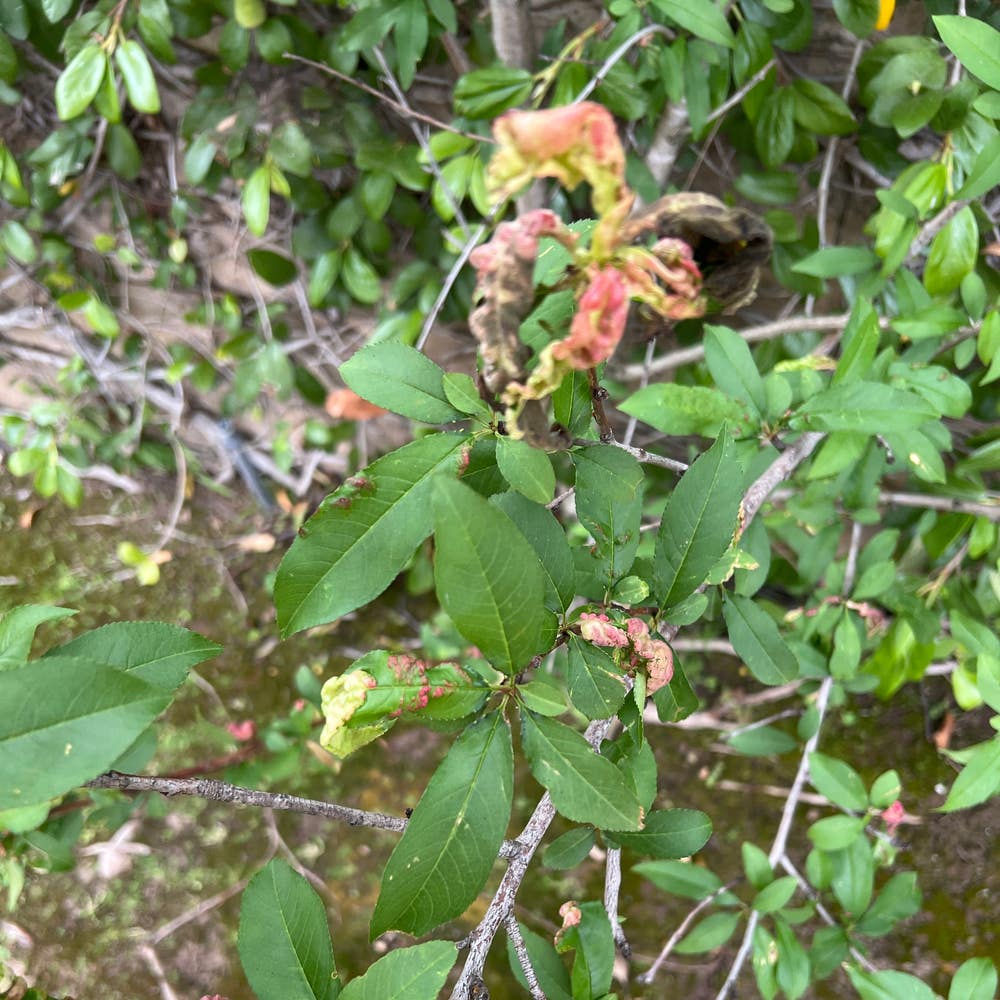
Steer clear of late summer or fall cuts to dodge disease dilemmas. Disease prevention is key; warm, wet weather can turn fresh cuts into open doors for infections like peach leaf curl.

Essential Pruning Gear
🛠️ Choosing Your Tools
In the realm of peach tree pruning, three tools reign supreme: hand pruners, loppers, and a pruning saw. Each serves a distinct purpose in your arboreal arsenal. Hand pruners are your go-to for snipping smaller branches, while loppers handle the thicker limbs with their longer handles and increased leverage. For the heftiest of branches, a sturdy pruning saw is your best friend.
🧼 Keeping Tools in Top Shape
Tool maintenance isn't just busywork; it's a crucial practice for plant health and ease of use. Start with a sharpener to keep cutting edges keen—dull blades mangle branches and invite disease. A wire brush and lubricant will ward off rust and preserve the smooth operation of your tools. And let's not forget cleanliness: wiping down your gear with disinfectant (rubbing alcohol is a good choice) is a non-negotiable step to prevent the spread of pathogens. It's a simple equation: clean tools equal a healthy tree.

Pruning Techniques for Peach Trees
🌳 Cutting Out the Bad to Let in the Good
Identifying which branches to prune is like playing tree surgeon—spot the sickly limbs. Remove dead, damaged, or diseased branches to prevent decay organisms from invading the peach tree. Cut these branches at their point of origin or back to a strong lateral branch. This isn't just about aesthetics; it's about keeping the tree healthy and productive.
🌿 Thinning for Thriving
Thinning is not about being sparse; it's strategic. Aim for an open canopy that allows sunlight and air to reach the inner branches. This reduces disease risk and encourages better fruit development. When thinning, remove enough fruit so that the remaining peaches are spaced 6 to 8 inches apart. Remember, it's not a numbers game; bigger, healthier fruits trump a larger quantity of puny peaches.
🍑 Shaping Young Trees for Success
Training young peach trees is like coaching an athlete—establish a strong foundation for future performance. Develop a central leader and select scaffold branches with wide crotch angles for a sturdy structure. Prune to shape the tree and encourage a balanced framework that can support the weight of future harvests.
🕰️ Rejuvenating Old Timers
Renewal pruning injects new life into old peach trees. Remove a third of the oldest branches each year to stimulate new growth. This isn't a one-time fix but a gradual process to maintain productivity. Think of it as turning back the clock, one snip at a time.

Special Pruning Considerations
🌳 Keeping Diseases at Bay
Pruning is not just about shaping; it's a health check-up for your peach tree. When you're snipping away, you're on the front lines of disease defense. Peach leaf curl is a classic foe, with its red, blistered leaves. To combat it, prune in late winter before those spores get cozy. Remember, cleanliness is next to godliness—sanitize those tools to prevent spreading any nasties like bacterial spot. And please, for the love of peaches, don't compost diseased trimmings; that's just asking for trouble.
🌱 Fixing an Over-Pruned Tree
Oops, got a little snip-happy? It happens to the best of us. If your peach tree now resembles a stick figure, don't panic. Focus on watering and nutrient management to encourage new growth. Resist the urge to fertilize immediately; it's the botanical equivalent of a shock blanket, not a miracle cure. Give it time and care, and your peach tree will forgive your overzealous pruning—eventually.
⚠️ Safety First
This content is for general information and may contain errors, omissions, or outdated details. It is not medical, veterinary advice, or an endorsement of therapeutic claims.
Always consult a qualified healthcare professional before using any plant as food, medicine, or supplement.
Never eat any plant (or feed one to pets) without confirming its identity with at least two trusted sources.
If you suspect poisoning, call Poison Control (800) 222-1222, the Pet Poison Helpline (800) 213-6680, or your local emergency service immediately.
Spotted an error? Please report it here.
Prune your peach tree to perfection by letting Greg remind you 📅 when it's the ideal time for snipping and shaping, ensuring a bountiful harvest without the guesswork.