🍑 Top 5 Signs Your Peach Tree Has Flower Problems
Prunus persica
By the Greg Editorial Team
Jul 28, 2024•4 min read
This article was created with the help of AI so we can cover more plants for you. May contain errors. See one? Report it here.
- 🌸 Chill hours are crucial for peach tree blooming; use techniques for warm winters.
- ✂️ Prune post-bloom to protect flower buds; avoid over-pruning.
- 🌱 Soil tests for nutrients and environment stabilization prevent flower issues.
Bloom Failure
Peach trees rely on a delicate balance of conditions to produce their vibrant blooms. Let's explore some common issues that can disrupt this balance and prevent flowering.
🥶 Insufficient Chilling
- Peach trees require a specific number of chill hours to break dormancy and initiate blooming.
- If your region experiences a warm winter, consider using chill-inducing techniques like applying ice or chilled water around the tree's base.
✂️ Pruning Mistakes
- Pruning at the wrong time can remove potential flower buds, leading to bloom failure.
- To encourage flowering, prune peach trees immediately after they finish blooming, removing only dead or diseased wood and thinning out crowded branches.
🌿 Nutrient Shortfalls
- Nutrient deficiencies can prevent peach trees from blooming properly.
- Conduct a soil test to identify any lacking nutrients and amend the soil accordingly, focusing on a balanced fertilizer that promotes flower development over excessive leaf growth.
Bud Drop Issues
🌿 Environmental Stress
Peach trees, like any living organism, can be sensitive to their surroundings. When environmental conditions are less than ideal, they may respond by dropping their buds, a phenomenon known as "bud drop." This can be triggered by a variety of stressors:
- Sudden temperature fluctuations, particularly frost or heat waves.
- Inconsistent watering, either too much or too little.
- Poor air circulation leading to high humidity levels.
- Excessive movement or disturbance, such as from strong winds or relocation.
To mitigate these issues, it’s crucial to monitor and stabilize the peach tree's environment. Here are some strategies:
- Implement a consistent watering schedule.
- Use mulch to help regulate soil temperature and moisture.
- Shield trees from extreme weather with covers or windbreaks.
- Ensure proper spacing and pruning for adequate airflow.
🦠 Disease and Pests
Bud drop can also be a sign of disease or pest infestation. Common culprits include:
- Aphids and mites that suck on tender buds and shoots.
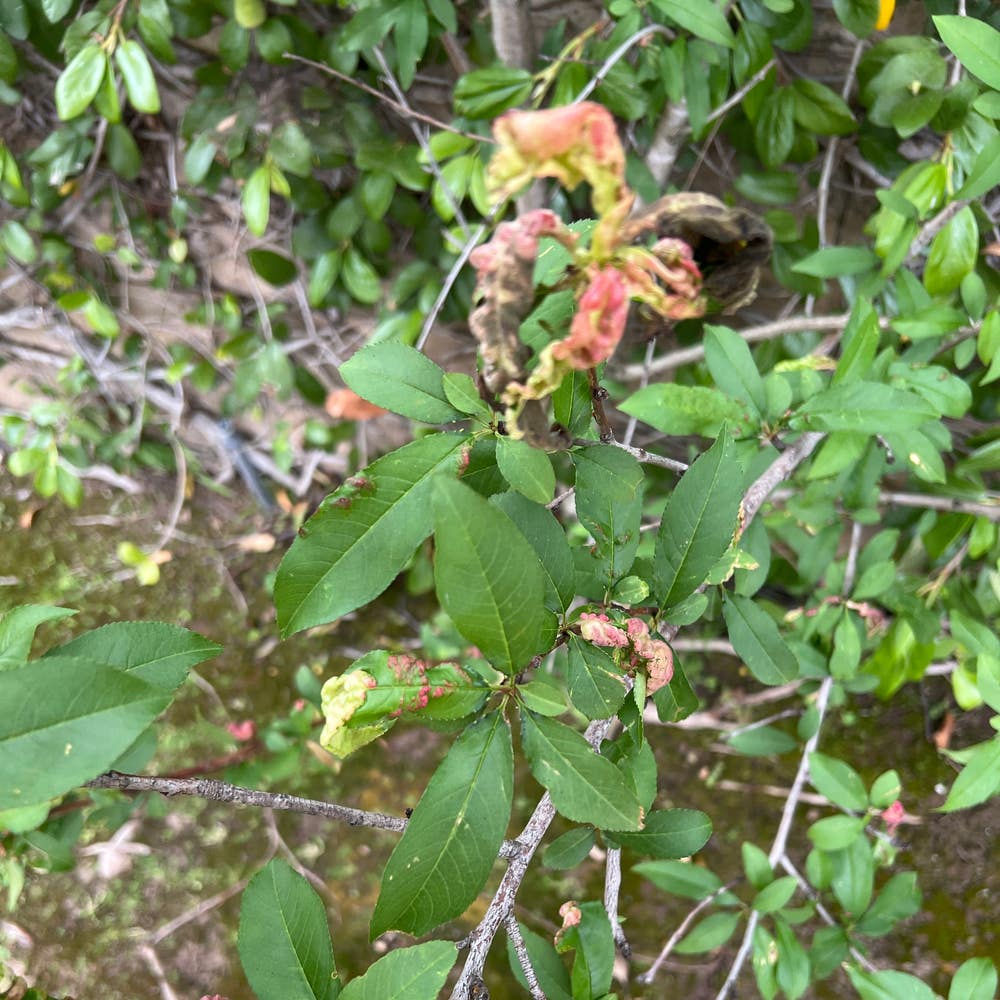
- Fungal infections like peach leaf curl or brown rot.
- Bacterial diseases such as bacterial spot or fire blight.
Control strategies involve:
- Regular inspections for early detection of pests or disease.
- Pruning and disposing of infected parts to prevent spread.
- Application of appropriate fungicides or bactericides as needed.
- Encouraging beneficial insects that prey on harmful pests.
- Using neem oil or other eco-friendly pesticides for minor infestations.
By recognizing the signs of environmental stress and disease, and taking prompt action, you can help prevent bud drop and protect the bloom cycle and flower development of your peach tree.
Abnormal Flowers
Abnormal flowers on peach trees can be perplexing, signaling underlying issues that need attention. Let's delve into the common causes and remedies.
Fungal Infections
Fungal infections can wreak havoc on peach tree flowers, leading to unsightly and unhealthy blooms. Here's how to spot and tackle them:
- Look for black, brown, or colorless spots on flowers, often surrounded by a yellow halo.
- Prevent infections by avoiding wetting flowers, reducing humidity, and improving air circulation.
- Remove and discard infected plant debris to prevent spore spread.
- Apply fungicides like thiophanate-methyl as soon as symptoms appear, following label instructions for safety.
Nutrient Imbalance
Flowers can also suffer from nutrient deficiencies, which manifest in various ways:
- Discoloration and spotty patterns on leaves may indicate a lack of essential nutrients.
- Ensure a balanced fertilization regimen, avoiding overfeeding which can exacerbate the problem.
- Address specific deficiencies with targeted supplements, after soil testing to identify the lacking nutrients.
Genetic Concerns
Sometimes, the issue is genetic, and choosing the right variety is crucial:
- Research peach tree varieties to select those with resistance to common diseases and abnormal flower development.
- If abnormalities persist despite optimal care, consider consulting a horticulturist to explore varietal issues.
Pruning and Flowering
Timing and Technique: 🌸 Best practices for pruning to promote healthy flowering.
- Prune in late winter or early spring before the tree breaks dormancy to encourage strong flower development.
- Focus on removing dead, diseased, or crossing branches to improve air circulation and light penetration.
- Thin out the center of the tree to prevent overcrowding, which can lead to poor flower quality.
- Use clean, sharp tools to make precise cuts, which help the tree heal faster and reduce the risk of disease.
Over-Pruning Consequences: 🪓 Addressing issues caused by excessive pruning.
- Avoid cutting back more than one-third of the tree's total branches in a single year to prevent stress.
- Recognize that over-pruning can lead to a reduction in the number of flower buds and an imbalance in the tree's energy distribution.
- If over-pruning has occurred, give the tree time to recover before pruning again, and consider supplemental feeding to support its return to health.
⚠️ Safety First
This content is for general information and may contain errors, omissions, or outdated details. It is not medical, veterinary advice, or an endorsement of therapeutic claims.
Always consult a qualified healthcare professional before using any plant as food, medicine, or supplement.
Never eat any plant (or feed one to pets) without confirming its identity with at least two trusted sources.
If you suspect poisoning, call Poison Control (800) 222-1222, the Pet Poison Helpline (800) 213-6680, or your local emergency service immediately.
Spotted an error? Please report it here.
Watch your peach trees flourish 🌸 with Greg's personalized care reminders, turning these top flower problem signs into a bloom of success.