🖐 Buddha's Palm Plant: Not an Annual
Jatropha podagrica
By the Greg Editorial Team
Oct 19, 2024•5 min read
This article was created with the help of AI so we can cover more plants for you. May contain errors. See one? Report it here.
Unlock the secrets to thriving Buddha's Palm plants 🌱 and elevate your garden's beauty effortlessly!
- 🌱 Buddha's Palm is a perennial, thriving for decades with proper care.
- 🌿 Low-maintenance and visually appealing, it enhances garden aesthetics effortlessly.
- 🌞 Understanding local climate is crucial for its long-term growth and health.
Buddha's Palm Plant Characteristics
🌱 Genetic Traits
The Buddha's Palm plant boasts remarkable genetic adaptations that enhance its longevity. Its resilience to environmental stressors allows it to thrive in diverse conditions, making it a robust choice for gardeners.
Another key feature is its clumping growth habit. This characteristic not only contributes to its perennial classification but also creates a visually appealing, dense foliage.
🍃 Physiological Traits
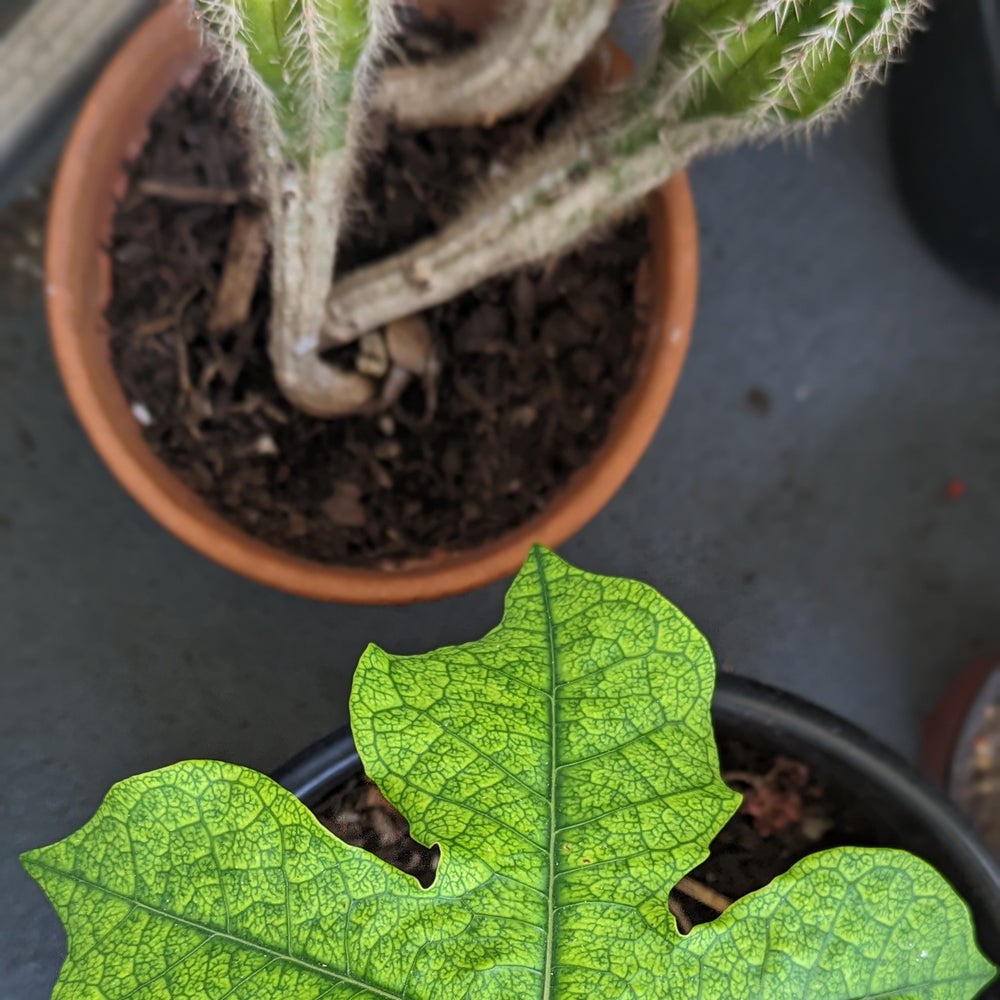
One of the most striking aspects of the Buddha's Palm is its fan-shaped leaves. These leaves are expertly designed for optimal light absorption, ensuring the plant can photosynthesize efficiently.
Additionally, the plant has an extensive and robust root system. This strong foundation supports long-term growth and stability, allowing it to flourish over the years.
💧 Water and Nutrient Efficiency
The Buddha's Palm excels in water and nutrient efficiency. This trait enables it to survive in varying conditions, making it a low-maintenance option for gardeners.
📅 Long-Term Lifecycle and Growth Patterns
Under optimal conditions, the Buddha's Palm can live for decades. This longevity is a testament to its resilience and adaptability.
Its growth rate is generally slow to moderate, with continuous development throughout its life. This steady growth pattern allows for a lush, mature appearance over time.
🌸 Flowering Patterns
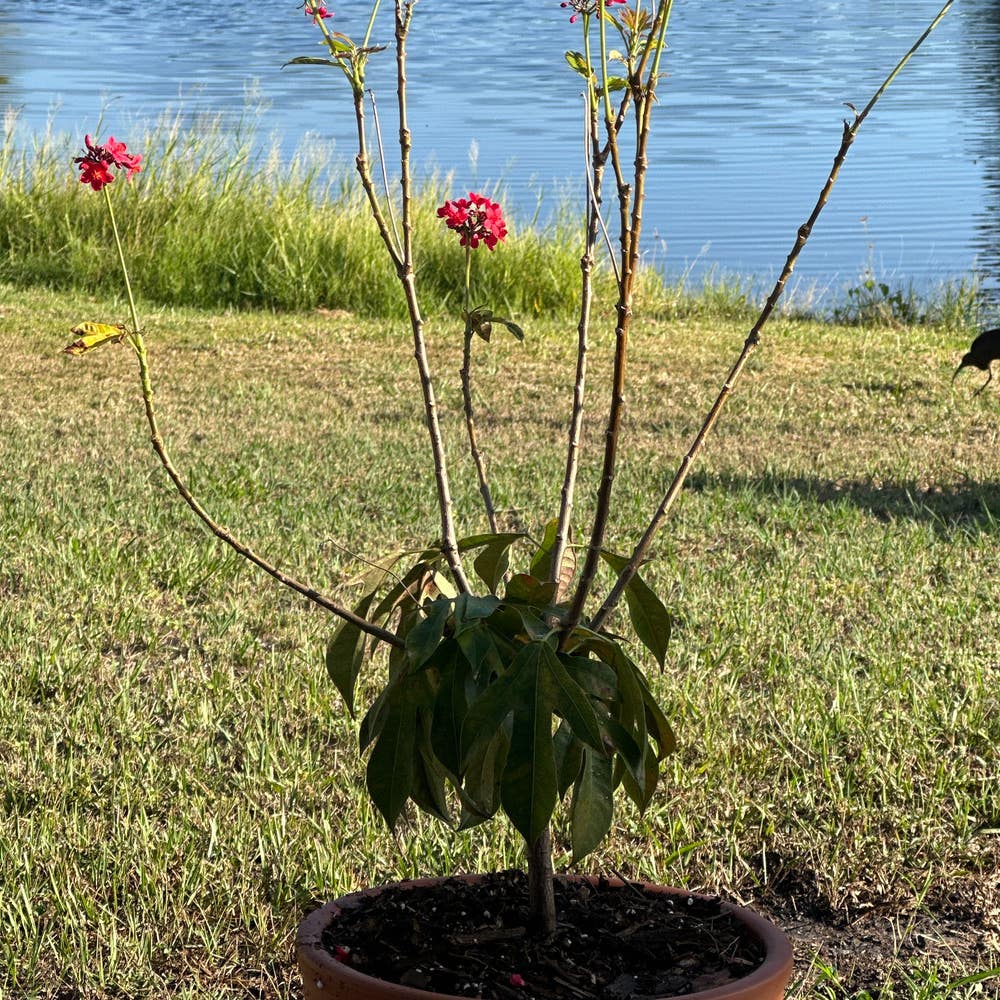
Occasional flowering occurs, typically in favorable conditions. While not a frequent event, these blooms can add a delightful touch to the plant's overall aesthetic.
In summary, the Buddha's Palm plant is characterized by its unique genetic and physiological traits, contributing to its status as a perennial. Understanding these characteristics sets the stage for exploring its lifecycle in comparison to true annuals.
Lifecycle Comparison
Lifecycle vs. True Annuals 🌱
The Buddha's Palm Plant boasts a multi-year lifecycle, unlike true annuals that complete their life cycle in just one season. It progresses through distinct stages: seedling, juvenile, and mature, contrasting sharply with the rapid growth and quick flowering of annuals.
Flowering and Seed Production Differences 🌼
Flowering in Buddha's Palm is infrequent, occurring primarily under favorable conditions. In contrast, annuals flower regularly and focus solely on seed production, while Buddha's Palm continuously produces offsets and seeds throughout its life.
Environmental Factors Affecting Lifecycle 🌍
This plant thrives in tropical and subtropical climates, where it can fully express its growth potential. Temperature and humidity play crucial roles; optimal conditions are essential for both growth and flowering, making them vital considerations for gardeners.
Understanding these lifecycle differences can help you appreciate the unique qualities of the Buddha's Palm Plant. As we delve deeper into misconceptions and exceptions, you'll discover how to care for this remarkable perennial effectively.
Misconceptions and Exceptions
🌱 Conditions Where Treated as an Annual
In cooler climates, the Buddha's Palm Plant often gets misclassified as an annual. This misunderstanding usually stems from mismanagement, where the plant struggles to thrive due to unsuitable temperatures.
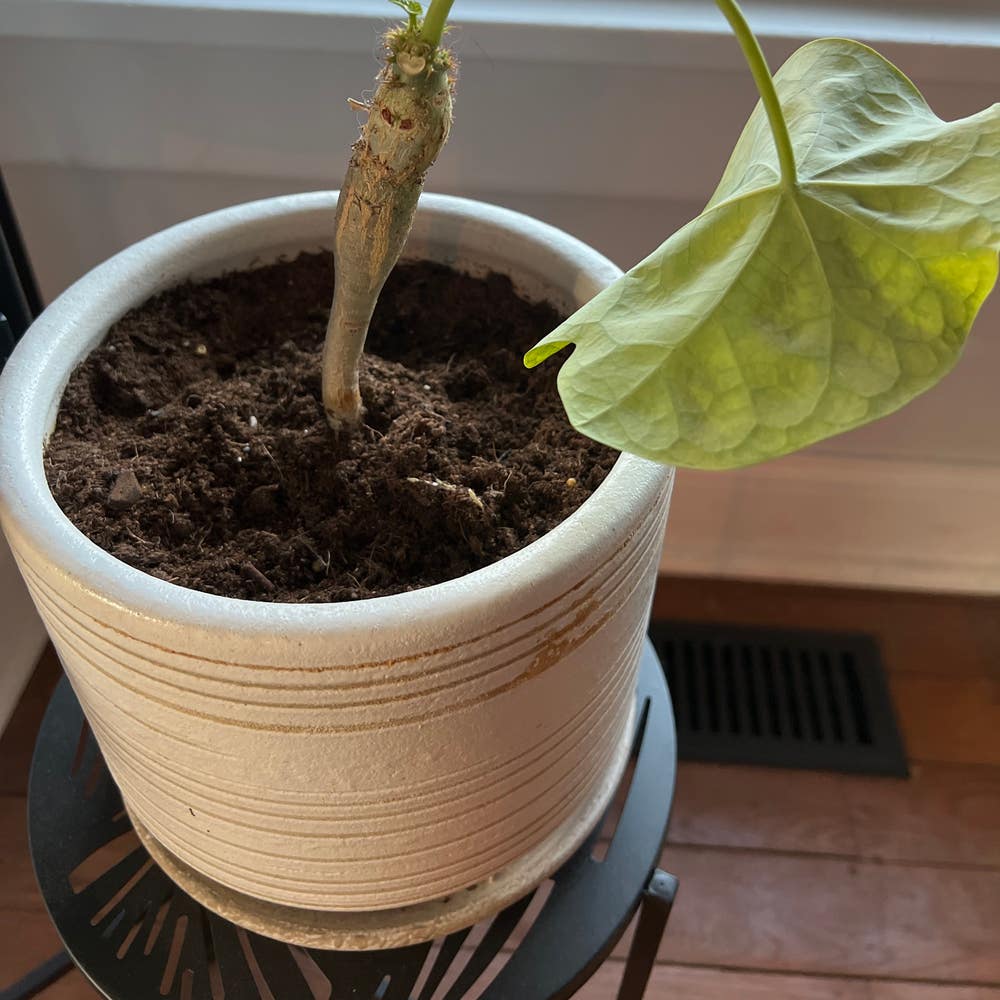
Container growth can also lead to this misconception. Limited root space restricts its natural growth, making it appear more like a short-lived annual than the resilient perennial it truly is.
🌍 Regional Variations in Growth and Care
The adaptability of the Buddha's Palm Plant means it can be treated differently based on local climate conditions. In tropical regions, it flourishes, while in non-tropical areas, it may require special care.
Care practices must be adjusted for these varying environments. Understanding local climate nuances is crucial for ensuring the plant's health and longevity.
❌ Common Mistakes in Classification
A frequent error is misunderstanding the growth habits of the Buddha's Palm Plant. Many confuse it with fast-growing annuals, leading to unrealistic expectations.
Neglecting perennial care can also result in premature decline. Proper attention and maintenance are essential to keep this plant thriving for years to come.
As we delve deeper into gardening implications, understanding these misconceptions will help you make informed decisions about your plant care strategies.
Gardening Implications
🌱 Advantages of Planting as a Perennial
Choosing Buddha's Palm as a perennial is a smart, long-term investment. With fewer replacements needed, you save both time and money.
Sustainability is another key benefit. Perennials like Buddha's Palm have a lower environmental impact compared to annuals, making them a greener choice for your garden.
🎨 Garden Design Strategies
Incorporating Buddha's Palm into your landscape can elevate its aesthetic appeal. Use it as a striking focal point or as a lush background plant to create depth.
Consider companion planting as well. Pairing Buddha's Palm with other perennials can enhance visual interest and promote a thriving ecosystem in your garden.
📅 Long-Term Planning for Garden Aesthetics
Planning for seasonal changes is essential for year-round visual appeal. Strategically place Buddha's Palm to ensure it complements other plants throughout the seasons.
Implementing effective maintenance strategies can reduce labor. By choosing perennials, you can enjoy a beautiful garden with less effort over time.
As you explore the gardening implications of Buddha's Palm, remember that thoughtful planning and care can lead to a vibrant, sustainable landscape. Next, let’s dive into management tips to maximize the longevity of your beloved plants.
Management Tips
Best Practices for Maximizing Longevity 🌱
To ensure your Buddha's Palm Plant thrives, start with the right soil. It needs well-draining, nutrient-rich soil to support its growth.
Next, establish a consistent watering schedule. The plant prefers consistent moisture but be careful to avoid waterlogging, which can lead to root rot.
Seasonal Care Considerations 🌸
Fertilization is key during the growing season. An annual feeding will provide the necessary nutrients for robust growth.
Regular pruning is also essential. This maintenance encourages healthy development and keeps the plant looking its best.
Troubleshooting Common Issues 🛠️
Keep an eye out for stress signs like yellowing leaves or stunted growth. These can indicate that your plant needs immediate attention.
If you notice these issues, adjust your care practices accordingly. Sometimes, a simple tweak in watering or light exposure can make all the difference.
By following these management tips, you can enjoy a flourishing Buddha's Palm Plant for years to come. Next, let’s explore the gardening implications of treating this plant as a perennial.
⚠️ Safety First
This content is for general information and may contain errors, omissions, or outdated details. It is not medical, veterinary advice, or an endorsement of therapeutic claims.
Always consult a qualified healthcare professional before using any plant as food, medicine, or supplement.
Never eat any plant (or feed one to pets) without confirming its identity with at least two trusted sources.
If you suspect poisoning, call Poison Control (800) 222-1222, the Pet Poison Helpline (800) 213-6680, or your local emergency service immediately.
Spotted an error? Please report it here.
Cultivate the stunning Buddha's Palm 🌱 with Greg's tailored care reminders, ensuring your perennial flourishes beautifully for decades to come!