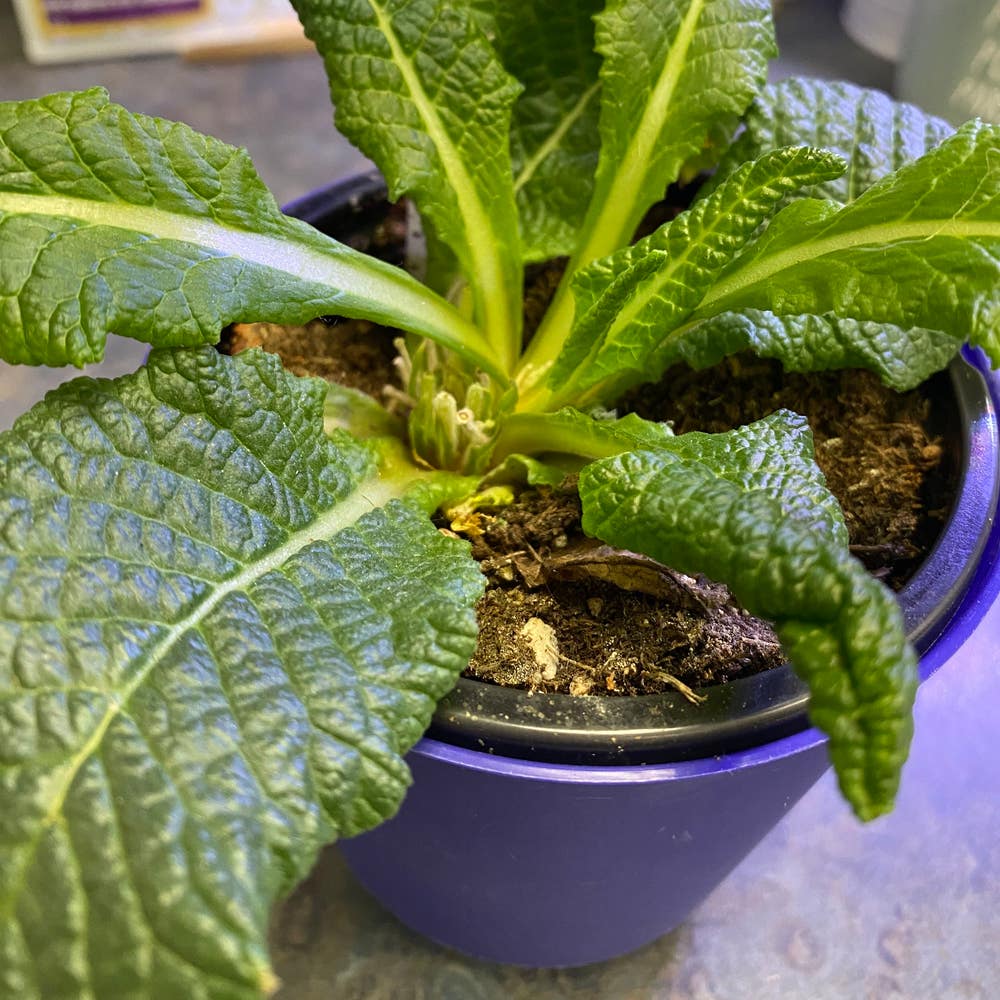
7 Ideal Locations to Plant Primrose 🌼
Primula spp.
By the Greg Editorial Team
Aug 24, 2024•5 min read
This article was created with the help of AI so we can cover more plants for you. May contain errors. See one? Report it here.
- ☀️ Primrose thrives in 6-8 hours of sunlight; partial shade also benefits growth.
- 🌱 Well-drained, loamy soil with pH 6.0-7.0 is crucial for healthy primrose.
- 🌬️ Windbreaks and spacing enhance primrose health; protect from strong winds and ensure air circulation.
Sunlight Exposure
🌞 Importance of Sunlight for Growth
Sunlight is crucial for photosynthesis, which fuels plant health and vitality. Without adequate light, primrose can struggle, resulting in weak growth and fewer blooms.
☀️ Best Sunlight Conditions
Primrose thrives in full sun, requiring 6-8 hours of direct sunlight daily. However, it also flourishes in partial shade, particularly in dappled sunlight found under trees.
🔍 How to Assess Sunlight in Your Garden
- Observe sunlight patterns throughout the day to identify the sunniest spots.
- Use a sunlight meter for precise measurements, ensuring your plants get the light they need.
- Distinguish between areas that receive consistent light and those that are shaded.
Understanding sunlight exposure is key to nurturing healthy primrose plants. With the right conditions, you can enjoy vibrant blooms and lush foliage. Next, let’s explore the importance of soil type and conditions for optimal growth.
Soil Type and Conditions
Preferred Soil Types 🌱
Primrose thrives best in well-drained, loamy soil. This type of soil retains some moisture while preventing waterlogging, which is crucial for healthy root development.
Soil pH Considerations ⚖️
The optimal pH range for primrose is slightly acidic to neutral, specifically between 6.0 and 7.0. Maintaining the right pH is essential for nutrient availability, ensuring your plants get the nourishment they need.
How to Test and Amend Soil 🧪
Testing and amending your soil is a straightforward process:
- Use a soil testing kit to determine pH and nutrient levels.
- Amend the soil with organic matter, like compost, to enhance drainage and fertility.
- Adjust the pH by adding lime to raise it or sulfur to lower it.
By following these steps, you can create the perfect environment for your primrose to flourish.
Understanding soil type and conditions is vital for successful gardening. With the right soil, your primrose will not only survive but thrive, leading to a vibrant display of blooms.
Next, let’s explore how the proximity to other plants and structures can further enhance your primrose garden.
Proximity to Other Plants and Structures
🌱 Companion Planting Benefits
Companion planting can significantly enhance your primrose garden. Pairing primroses with compatible species like ferns and hostas not only boosts biodiversity but also helps with natural pest control.
🏠 How Nearby Structures Affect Growth
Nearby structures can play a crucial role in your plants' health. They may create shade or reflect light, both of which can impact growth, so consider the height and orientation of buildings in your garden.
📏 Spacing Considerations
Proper spacing is vital for healthy primrose growth. Aim for a distance of 12-18 inches between plants to ensure adequate air circulation and prevent overcrowding, which can lead to disease.
Understanding these factors will help you create a thriving environment for your primroses. Next, let’s explore the significance of microclimates in your garden.
Microclimates
🌍 Definition and Importance
Microclimates are localized climate variations that can significantly impact plant growth. By understanding these unique conditions, you can optimize your primrose planting for better health and vibrant blooms.
🔍 Identifying Microclimates
To identify microclimates in your garden, start by observing temperature variations. Areas near walls or under trees often have different temperatures than open spaces.
Next, take note of moisture levels. Shaded spots may retain more moisture, while sunny areas can dry out quickly. This information is crucial for deciding where to plant your primroses.
🌱 Utilizing Microclimates for Growth
Once you've identified favorable microclimates, select these areas for planting. Primroses thrive in conditions that suit their needs, so choosing the right spot is essential.
Additionally, consider using mulch to retain moisture in warmer microclimates. This simple step can help keep your plants hydrated and healthy, especially during hot spells.
Understanding and utilizing microclimates can make a significant difference in your gardening success. With this knowledge, you're well on your way to creating a thriving environment for your primroses.
Next, let’s explore how wind protection plays a vital role in ensuring your plants flourish.
Wind Protection
🌬️ Importance of Wind Protection
Strong winds can wreak havoc on delicate primrose flowers and foliage. Not only can they cause physical damage, but wind exposure can also lead to increased water loss, stressing your plants.
🛡️ Best Practices for Creating Windbreaks
Creating effective windbreaks is essential for protecting your primrose. Here are some easy steps to follow:
- Plant Hedges or Shrubs: Use dense hedges or shrubs as natural barriers to shield your flowers from harsh winds.
- Install Fences or Trellises: These structures can also provide a protective shield, reducing wind impact on your garden.
🌳 Plants for Natural Wind Protection
Choosing the right plants can enhance your wind protection strategy. Consider incorporating taller plants or trees, such as evergreens, to act as windbreaks.
Additionally, companion plants can help reduce wind exposure, creating a more sheltered environment for your primrose.
By implementing these wind protection strategies, you can ensure your primrose thrives in a safe and nurturing environment. Next, let’s explore how drainage considerations play a crucial role in the health of your plants.
Drainage Considerations
Importance of Drainage 🌊
Primrose plants are particularly sensitive to waterlogged conditions, which can lead to root rot. Ensuring good drainage is crucial for healthy root development and overall plant vitality.
Signs of Poor Drainage and Solutions 🚨
Watch for yellowing leaves or wilting, even when you’ve watered adequately; these are telltale signs of poor drainage. To improve the situation, consider amending your soil with sand or perlite, which can enhance drainage and promote healthier roots.
Best Practices for Heavy Rainfall Areas ☔️
If you live in an area prone to heavy rainfall, creating raised beds can significantly improve drainage. Additionally, using mulch helps prevent soil erosion while retaining moisture without risking waterlogging.
By implementing these drainage strategies, you can create an optimal environment for your primrose to thrive. Next, let’s explore the importance of wind protection for these delicate beauties.
⚠️ Safety First
This content is for general information and may contain errors, omissions, or outdated details. It is not medical, veterinary advice, or an endorsement of therapeutic claims.
Always consult a qualified healthcare professional before using any plant as food, medicine, or supplement.
Never eat any plant (or feed one to pets) without confirming its identity with at least two trusted sources.
If you suspect poisoning, call Poison Control (800) 222-1222, the Pet Poison Helpline (800) 213-6680, or your local emergency service immediately.
Spotted an error? Please report it here.
Create a blooming paradise 🌸 for your primrose with Greg's tailored care tips and soil testing tools, ensuring they thrive in the perfect location!