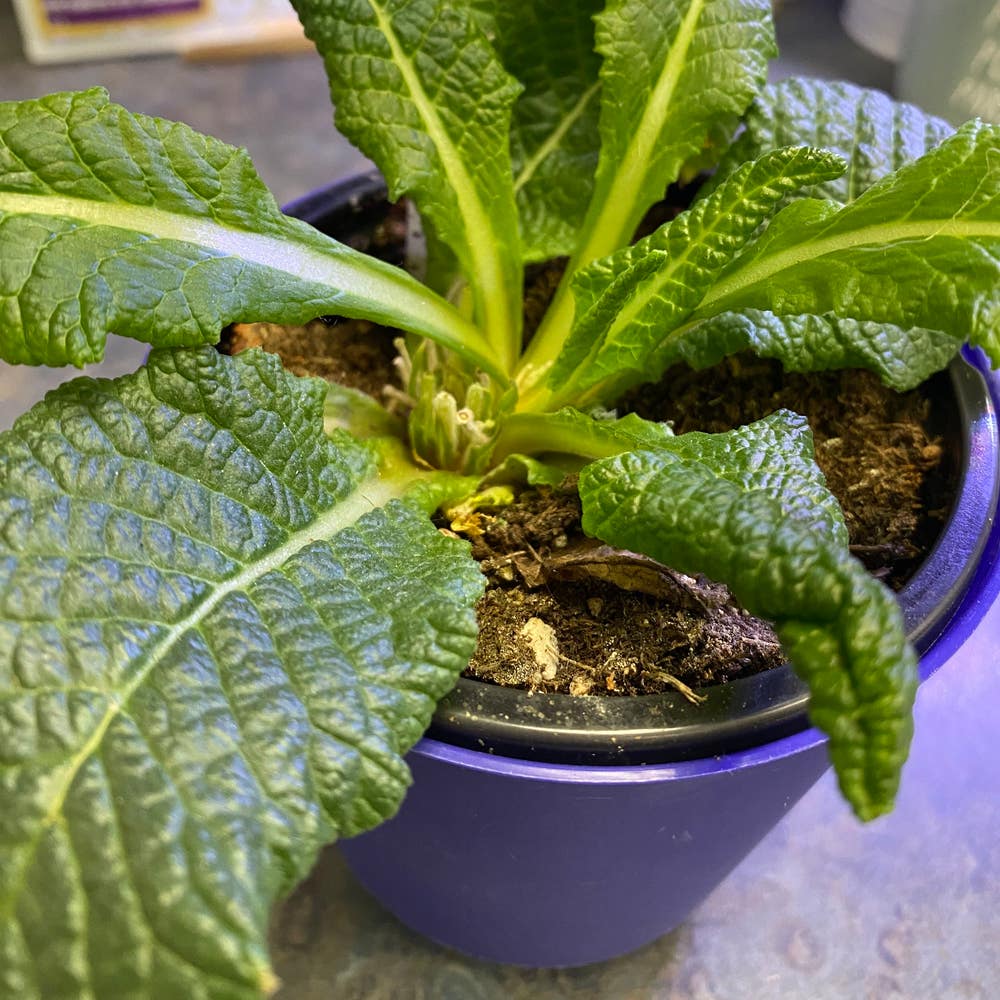
❄️ Ultimate Guide to Winter Care for Primrose
Primula spp.
By the Greg Editorial Team
Aug 24, 2024•6 min read
This article was created with the help of AI so we can cover more plants for you. May contain errors. See one? Report it here.
- ❄️ Winter care prevents frost damage to primrose foliage and roots, ensuring healthy growth.
- 🌱 Mulching insulates roots and retains moisture, crucial for primrose survival in winter.
- 🌡️ Indoor primrose needs 15-20°C and moderate humidity for optimal health during winter.
Winter Behavior of Primrose
🌿 Characteristics of Evergreen Primrose
Evergreen primrose varieties are a delight during winter, as they retain their lush foliage throughout the cold months. This characteristic not only adds beauty to your garden but also allows the plant to continue photosynthesis, keeping it vibrant and healthy.
The benefits of evergreen primrose extend beyond aesthetics. Their ability to photosynthesize during winter means they can store energy for a robust spring bloom. This makes them a smart choice for gardeners looking to maintain color and life in their landscapes.
🌼 Examples of Evergreen Primrose Varieties
Two popular evergreen primrose varieties are Primula vulgaris and Primula veris. Primula vulgaris, commonly known as the common primrose, features soft, pastel-colored flowers that brighten up any winter garden. On the other hand, Primula veris, or the cowslip, boasts striking yellow blooms that stand out against the winter backdrop.
Choosing evergreen primrose varieties not only enhances your garden's visual appeal but also ensures that your plants are well-prepared for the upcoming growing season. With their resilience and beauty, these plants are a fantastic addition to any winter landscape.
As we explore winter care techniques, understanding the behavior of primrose will help you provide the best support for these hardy plants.
Winter Care Techniques
❄️ Frost Protection Methods for Primrose
Frost protection is crucial for Primrose, as it prevents damage to both foliage and roots. Without proper care, these delicate plants can suffer significantly during the cold months.
Mulching
One effective method is mulching. Apply a 2-3 inch layer of organic mulch around the base of your Primrose to insulate the roots and retain soil moisture.
Cloches or Row Covers
Using cloches or row covers is another great technique. Lightweight fabric can shield your plants from harsh frost, providing an extra layer of protection.
Relocating Pots
For containerized Primrose, relocating pots to sheltered areas can make a big difference. This simple step can help them avoid the brunt of winter's chill.
🌧️ Adjusting Watering Schedules During Winter
During winter, it's essential to adjust your watering schedule. Primrose requires less frequent watering while in dormancy, so keep an eye on the soil moisture.
Signs of Overwatering
Watch for signs of overwatering, such as yellowing leaves and root rot. These indicators can signal that your Primrose is receiving too much water.
Recommended Winter Watering Schedule
Aim to water every 2-3 weeks, depending on rainfall. Always check that the top inch of soil is dry before watering to ensure your plants stay healthy.
🌱 Fertilizing Primrose in Winter: What to Know
Fertilization plays a vital role in supporting healthy regrowth come spring. Proper winter fertilization can set your Primrose up for success.
Recommended Fertilization Practices
Use a balanced, slow-release fertilizer for the best results. Apply it in late winter, around February, to prepare your plants for the growth spurt ahead.
Dosage
Follow the package instructions for dosage, typically around 1 tablespoon per plant. This simple step can make a world of difference in your Primrose's vitality.
As you implement these winter care techniques, you'll be well on your way to nurturing resilient Primrose. Next, let’s explore how to transition your Primrose indoors for the winter months.
Indoor Winter Care
Transitioning Primrose Indoors for Winter 🌬️
Timing is crucial when moving your Primrose indoors. Aim to transition them before the first frost hits.
To ensure a smooth shift, follow these steps:
- Gradually acclimate your Primrose to indoor conditions over a week. This helps reduce shock.
- Inspect your plants for pests before bringing them inside. A quick check can save you headaches later.
- Choose a bright location with indirect sunlight. Primrose thrive in well-lit spaces but avoid harsh direct light.
Ideal Indoor Conditions for Primrose 🏡
Creating the right environment is key to keeping your Primrose healthy indoors.
Maintain a temperature range between 15°C to 20°C (59°F to 68°F). This range mimics their natural habitat.
Humidity is also important; aim for moderate levels around 50%. If your home is dry, consider using a humidifier or placing a tray of water nearby.
Watering indoors should follow a similar schedule as outdoor care. Regularly check the soil moisture to avoid overwatering.
Common Indoor Care Mistakes to Avoid ❌
Even seasoned plant parents can make mistakes. Here are a few common pitfalls to watch out for:
Overwatering is a frequent issue. Always check soil moisture before adding more water.
Insufficient light can stunt growth. Ensure your Primrose gets enough light exposure to flourish.
Ignoring pests is another mistake. Regularly inspect for common indoor pests like aphids and spider mites to keep your plants healthy.
By avoiding these mistakes, you can ensure your Primrose thrives indoors throughout the winter.
As you prepare for spring, remember that proper indoor care sets the foundation for a vibrant growing season ahead.
Spring Preparation and Recovery
🌨️ Signs of Winter Damage in Primrose
As winter fades, keep an eye out for signs of damage in your Primrose. Common indicators include brown, wilted leaves and stunted growth, which signal that your plant may need some extra care.
🌱 Assessing Root Health
Don't forget to check the roots! Look for mushy or discolored roots, as these can indicate rot and require immediate attention.
🔧 Steps for Recovering from Winter Damage
Prune Damaged Foliage: Start by removing any dead or dying leaves. This simple step can help your Primrose focus its energy on new growth.
Assess Soil Conditions: Ensure your soil is well-draining to prevent further root rot. Good drainage is crucial for a healthy recovery.
Gradual Reintroduction to Outdoor Conditions: Acclimate your Primrose back to outdoor conditions over a week. This gradual process helps minimize shock and encourages robust growth.
🌼 Preparing Primrose for Spring Growth
Once your Primrose is on the mend, it's time to prepare for spring growth.
Fertilization: Apply a balanced fertilizer as growth resumes. This will provide the nutrients your plant needs to thrive.
Watering: Increase your watering frequency as temperatures rise. Keeping the soil consistently moist will support new growth.
Monitoring for Pests: Regularly check for any signs of infestation. Early detection can save your Primrose from potential damage.
With these steps, your Primrose will be well on its way to a vibrant spring. Transitioning into the next season can be a rewarding experience, setting the stage for a flourishing garden.
⚠️ Safety First
This content is for general information and may contain errors, omissions, or outdated details. It is not medical, veterinary advice, or an endorsement of therapeutic claims.
Always consult a qualified healthcare professional before using any plant as food, medicine, or supplement.
Never eat any plant (or feed one to pets) without confirming its identity with at least two trusted sources.
If you suspect poisoning, call Poison Control (800) 222-1222, the Pet Poison Helpline (800) 213-6680, or your local emergency service immediately.
Spotted an error? Please report it here.
Keep your primrose thriving this winter with Greg's personalized care tips and reminders, ensuring they flourish come spring! 🌼