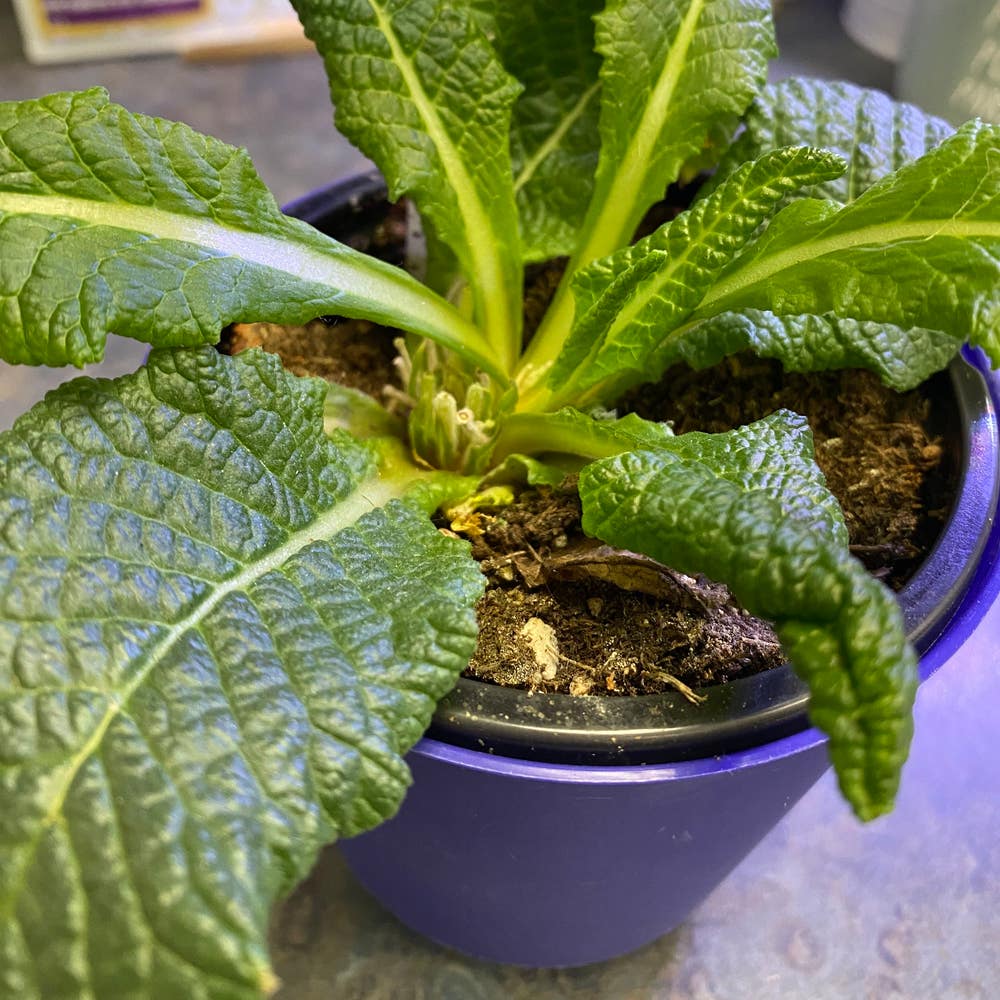
☀️ 5 Tips for Light Requirements for Your Primrose
Primula spp.
By the Greg Editorial Team
Aug 24, 2024•4 min read
This article was created with the help of AI so we can cover more plants for you. May contain errors. See one? Report it here.
- 🌞 Primrose thrives in 4-6 hours of indirect sunlight for optimal growth and flowering.
- 🪴 East-facing windows offer ideal indoor light, ensuring gentle morning exposure.
- 🌿 Avoid direct afternoon sun to prevent leaf scorch and maintain plant health.
Light Needs for Primrose
General Light Preferences 🌞
Primrose varieties have unique light preferences that can significantly impact their growth. Some thrive in partial shade, while others flourish in bright, indirect light.
Matching the light conditions to the specific variety is crucial for optimal growth. Understanding these needs can make all the difference in keeping your Primrose vibrant and healthy.
Optimal Light for Primrose 💡
The ideal light exposure for Primrose ranges from partial shade to full sun, depending on the variety. A general recommendation is to provide 4-6 hours of indirect sunlight daily.
Monitoring light intensity is essential to prevent wilting or poor flowering. Too much or too little light can hinder your plant's ability to thrive, so keep a close eye on its needs.
Indoor Light Conditions for Primrose
🌞 Best Locations for Indoor Primrose
Finding the right spot for your Primrose is crucial. East-facing windows are ideal, allowing your plants to soak up gentle morning sunlight.
Avoid placing them in direct afternoon sun, as this can lead to leaf scorch. Your Primrose will thrive best in a balanced environment.
🌈 Adjusting Light Conditions
To create the perfect light conditions, consider using sheer curtains. These can help diffuse harsh sunlight, protecting your plants while still providing adequate light.
Additionally, rotating your pots every few weeks ensures even light exposure. This simple practice can significantly enhance your plant's growth.
🔍 Monitoring Light Levels
Keeping an eye on light intensity is essential for your Primrose's health. Start by using a light meter to measure the light levels in your chosen spot.
If your readings show less than 1000 lux, move your plant closer to a light source. Conversely, if it exceeds 2000 lux, consider moving it further away or adding some shading.
By monitoring and adjusting light conditions, you can help your Primrose flourish indoors. This attention to detail will set the stage for vibrant blooms and healthy growth.
As you optimize your indoor environment, let’s explore how outdoor conditions can also impact your Primrose's light needs.
Outdoor Light Conditions for Primrose
🌞 Sunlight Exposure for Outdoor Primrose
Primrose thrives best in morning sun paired with afternoon shade. While some varieties can handle full sun, they often need extra watering to stay healthy.
🍂 Seasonal Considerations
Spring and fall are prime growth periods, offering moderate sunlight that keeps Primrose flourishing. In summer, keep an eye out for stress signs; providing shade can be crucial during the hottest days.
🌱 Planting Strategies for Optimal Light
Positioning your Primrose wisely can enhance its growth. Grouping them with other shade-loving plants creates a cozy microclimate, while taller plants can offer much-needed afternoon shade.
Understanding these outdoor light conditions will help your Primrose flourish beautifully. Next, let’s explore how to create the perfect indoor light conditions for your plants.
The Role of Light in Flowering
🌼 Impact of Light on Flower Development
Light plays a crucial role in the flowering process of Primrose. Adequate light is essential for vibrant blooms; without it, you may notice fewer flowers and elongated stems, which can detract from the plant's overall beauty.
☀️ Flowering Light Needs
During the blooming season, Primrose requires a minimum of 6 hours of indirect light each day. Consistent light exposure is vital for robust flower production, ensuring your Primrose remains healthy and colorful throughout its flowering period.
Understanding these light requirements can make all the difference in your gardening success. By providing the right conditions, you can enjoy a stunning display of blooms that truly brings your space to life.
As we explore further, let’s look at how to use grow lights effectively for indoor Primrose care.
Using Grow Lights for Indoor Primrose
🌟 Benefits of Grow Lights
Grow lights are a game changer for indoor gardening, especially for Primrose. They provide the consistent light conditions that these plants crave, particularly in areas lacking natural sunlight.
💡 Types of Grow Lights Suitable for Primrose
When it comes to grow lights, you have options.
- LED grow lights are energy-efficient and allow you to adjust the light spectrum to suit your Primrose's needs.
- Fluorescent lights are also a solid choice, especially for seedlings and young plants, offering a gentle light that promotes healthy growth.
⚙️ Setting Up Grow Lights
Setting up grow lights is straightforward. Follow these steps for optimal results:
- Position the lights 12-24 inches above your Primrose to ensure they receive adequate illumination.
- Set a timer for 12-14 hours of light daily to mimic natural conditions.
- Keep an eye on your plants; adjust the height or duration of light based on their response.
With the right setup, your Primrose will thrive indoors, bringing vibrant blooms to your space. Next, let’s explore how light impacts flowering and overall plant health.
⚠️ Safety First
This content is for general information and may contain errors, omissions, or outdated details. It is not medical, veterinary advice, or an endorsement of therapeutic claims.
Always consult a qualified healthcare professional before using any plant as food, medicine, or supplement.
Never eat any plant (or feed one to pets) without confirming its identity with at least two trusted sources.
If you suspect poisoning, call Poison Control (800) 222-1222, the Pet Poison Helpline (800) 213-6680, or your local emergency service immediately.
Spotted an error? Please report it here.
Unlock your Primrose's full blooming potential 🌼 by using Greg's tailored light tips and reminders to create the perfect environment for your plants!