☀️ Direct Sunlight and Your Primrose
Primula spp.
By the Greg Editorial Team
Aug 24, 2024•4 min read
This article was created with the help of AI so we can cover more plants for you. May contain errors. See one? Report it here.
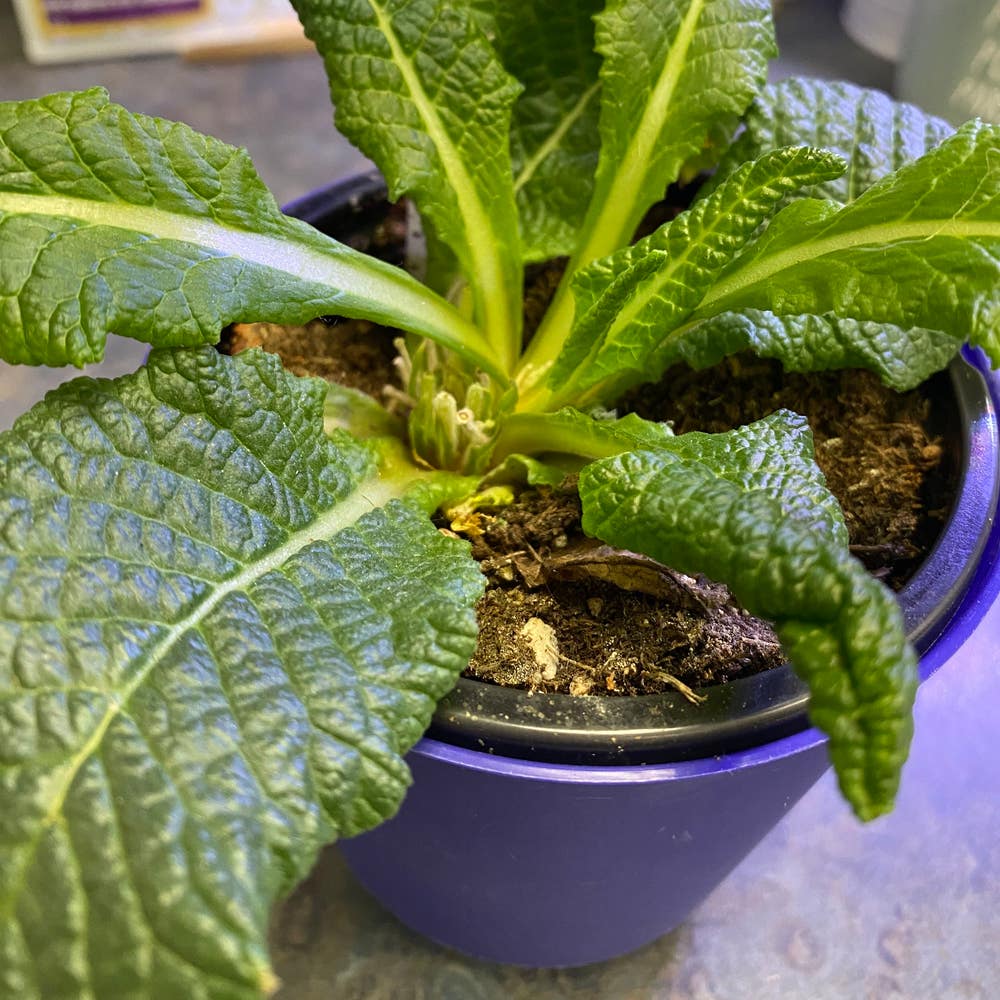
- ☀️ Primroses thrive in bright, indirect sunlight; too much direct sun can scorch leaves.
- 🌍 Sunlight intensity varies by hemisphere; adjust care based on your location.
- 🌱 Rotate your Primrose regularly for even light exposure and healthier blooms.
Definition of Direct Sunlight
🌞 Explanation Suitable for Children
Direct sunlight is bright light that comes straight from the sun without anything blocking it, like clouds or trees. Imagine standing outside on a sunny day with no shade at all; that’s direct sunlight!
🌤️ Contrast with Indirect Sunlight
Indirect sunlight is light that is softened or filtered. This happens when light bounces off walls or is shaded by trees, similar to being outside on a cloudy day or sitting under a tree where the sun isn’t shining directly on you.
Understanding these two types of sunlight is essential for taking care of plants like Primrose. Knowing the difference helps ensure they get the right amount of light for healthy growth.
Primrose's Sunlight Needs
🌞 Does Primrose Need Direct Sunlight?
Primrose thrives best in bright, indirect sunlight. However, it can benefit from a bit of direct sunlight, especially in the morning.
Some varieties may require more light than others, depending on their natural habitat. Understanding these specific needs can help you provide the best care for your Primrose.
🌤️ Can Primrose Tolerate Direct Sunlight?
Most Primrose varieties can handle a few hours of direct sunlight each day. Morning sun is usually the most tolerable, as it’s less intense.
However, some shade-loving varieties may struggle with prolonged exposure. It's essential to know your specific Primrose type to ensure it thrives.
🔥 Effects of Too Much Direct Sunlight on Primrose
Excessive direct sunlight can lead to leaf scorching, where leaves turn brown and crispy. This is a clear sign that your Primrose is getting too much sun.
Additionally, too much direct sunlight can hinder blooming. You might notice fewer flowers or shorter blooming periods, which can be disappointing for any plant parent.
Understanding these sunlight needs will help you create the perfect environment for your Primrose to flourish. Next, let’s explore how environmental factors, like window direction, can further impact your plant’s sunlight exposure.
Environmental Factors
🌞 Role of Window Direction
Best Window Directions for Primrose
The direction of your windows plays a crucial role in how much sunlight your Primrose receives.
- South-facing windows: These provide the most direct sunlight, making them ideal for light-loving Primrose varieties.
- East-facing windows: They offer gentle morning sunlight, which is suitable for most Primrose types.
How Window Direction Affects Sunlight Exposure
Understanding how window direction impacts sunlight can help you care for your Primrose effectively.
- North-facing windows: Typically provide indirect light, which may not be enough for all Primrose varieties.
- West-facing windows: These can lead to intense afternoon sun, so you'll need to monitor your plants closely to prevent leaf scorch.
🌍 Impact of Hemisphere on Sunlight
Differences in Sunlight Intensity in Northern vs Southern Hemisphere
The hemisphere you live in significantly affects the sunlight your Primrose receives.
- Northern Hemisphere: Enjoys longer days in summer with more intense sunlight, meaning Primrose may need extra shade.
- Southern Hemisphere: Experiences shorter days in winter, allowing Primrose to thrive with more direct sunlight during this season.
Seasonal Variations in Sunlight Exposure
Seasons change, and so does the sunlight intensity, which can impact your Primrose's health.
- Spring and summer: Expect increased sunlight intensity; keep an eye out for signs of stress in your Primrose.
- Fall and winter: With reduced sunlight, consider repositioning your plants to maximize their light exposure.
Understanding these environmental factors will help you create the best conditions for your Primrose to flourish. Next, let’s explore practical tips for plant parents to ensure optimal growth.
Practical Tips for Plant Parents
🌞 Observing Primrose in Sunlight
Keeping an eye on your Primrose is essential for its health. Understanding how it responds to sunlight can help you create the perfect environment.
🌤️ Signs of Too Much or Too Little Sunlight
Too much sunlight can lead to brown, crispy leaf edges and wilting flowers. Conversely, if your Primrose isn’t getting enough light, you might notice leggy growth, fewer blooms, and yellowing leaves.
🔄 Adjusting Light Exposure for Optimal Growth
To ensure your Primrose thrives, rotate your plants regularly. This simple action helps provide even light exposure.
If you notice any signs of stress, consider moving your Primrose closer to or further from windows. Adjusting its position can make a significant difference in its overall health and blooming potential.
By observing and adjusting, you can create a nurturing environment for your Primrose to flourish. Next, let’s explore how environmental factors like window direction can impact your plant’s sunlight exposure.
⚠️ Safety First
This content is for general information and may contain errors, omissions, or outdated details. It is not medical, veterinary advice, or an endorsement of therapeutic claims.
Always consult a qualified healthcare professional before using any plant as food, medicine, or supplement.
Never eat any plant (or feed one to pets) without confirming its identity with at least two trusted sources.
If you suspect poisoning, call Poison Control (800) 222-1222, the Pet Poison Helpline (800) 213-6680, or your local emergency service immediately.
Spotted an error? Please report it here.
Ensure your Primrose gets the perfect light balance 🌞 with Greg's tailored care tips, helping you avoid scorching and boost those beautiful blooms!