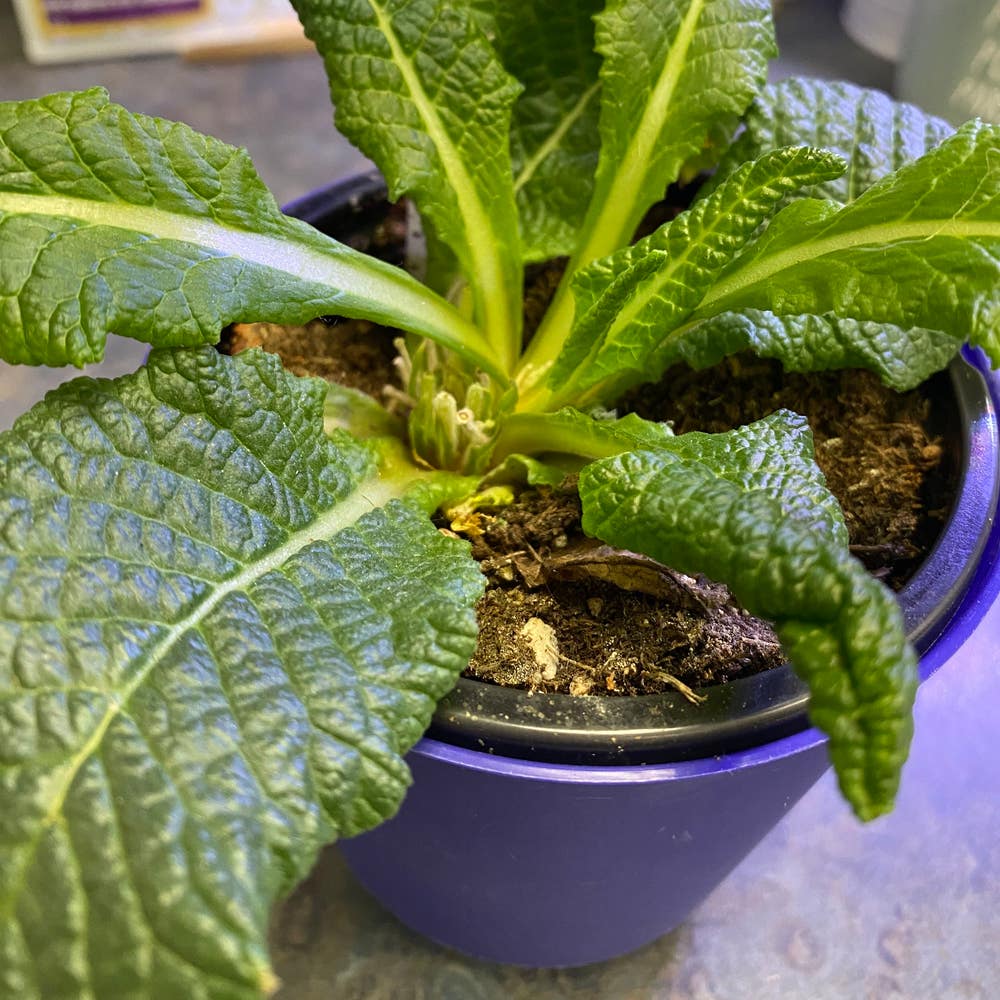
🌸 Primrose - Fertilizing 101
Primula spp.
By the Greg Editorial Team
Aug 24, 2024•6 min read
This article was created with the help of AI so we can cover more plants for you. May contain errors. See one? Report it here.
- 🌱 Fertilization boosts growth and blooms, especially in nutrient-poor soils.
- 🧪 Organic vs. synthetic fertilizers: choose based on immediate needs and soil health.
- 📅 Monthly fertilization during growing season ensures vibrant blooms and healthy foliage.
Importance of Fertilization
🌱 Role in Plant Health
Fertilization plays a crucial role in enhancing plant growth and blooming potential. By providing essential nutrients, it supports robust root development and improves nutrient uptake, especially in nutrient-poor soils.
Healthy plants thrive on the right balance of nutrients. This not only boosts their growth but also ensures vibrant blooms, making your garden a visual delight.
⚠️ Consequences of Poor Fertilization
Neglecting proper fertilization can lead to stunted growth and reduced flowering. Plants may become more susceptible to pests and diseases, ultimately resulting in an overall decline in health.
Without adequate nutrients, your plants can struggle to survive. This can turn a once-thriving garden into a patch of disappointment, emphasizing the importance of regular fertilization.
Understanding the significance of fertilization sets the stage for exploring the various types of fertilizers available. Let's dive into the options that can best meet your plants' needs.
Types of Fertilizers
Organic vs. Synthetic 🌱
When it comes to fertilization, the choice between organic and synthetic fertilizers can significantly impact your plants. Organic fertilizers release nutrients slowly, enhancing soil health and promoting a thriving ecosystem around your plants.
On the other hand, synthetic fertilizers provide quick nutrient availability, making them appealing for immediate results. However, they can lead to soil degradation over time, which is a crucial consideration for long-term gardening success.
Slow-Release vs. Liquid Fertilizers 💧
Slow-release fertilizers are perfect for long-term feeding, allowing nutrients to be available over an extended period. They require less frequent application, making them a convenient choice for busy gardeners.
In contrast, liquid fertilizers offer rapid absorption, ideal for addressing immediate nutrient needs. Timing and application methods are essential here; applying them during active growth phases can yield impressive results.
Nutrient Requirements
Key Nutrients 🌱
Understanding the essential nutrients for primrose is crucial for vibrant growth.
Nitrogen is a powerhouse for leafy growth, promoting lush foliage. Aim for a balanced N-P-K ratio, typically around 10-10-10, to ensure your plants thrive.
Phosphorus plays a vital role in blooming. It’s essential for flower development, making it a must-have during the flowering phase.
Potassium is your plant's best friend when it comes to overall health. It strengthens disease resistance and enhances vigor, ensuring your primrose can withstand challenges.
Micronutrients 🔍
While macronutrients are essential, don't overlook the importance of micronutrients.
Iron, magnesium, and calcium are critical in preventing deficiencies that can hinder growth. Each of these elements supports various functions, from chlorophyll production to root development.
Watch for signs of micronutrient deficiencies, such as yellowing leaves or stunted growth. Addressing these issues promptly can make a significant difference in your plant's health.
Understanding these nutrient requirements will set you on the right path to nurturing healthy, blooming primrose. Next, we’ll explore the various application methods to ensure your plants receive these vital nutrients effectively.
Application Methods
🎨 Application Techniques
Top Dressing
Top dressing is a straightforward method for applying granular fertilizers. Start by spreading the fertilizer evenly around the base of the plant, avoiding direct contact with the stems to prevent burn.
- Measure the Right Amount: Use the recommended dosage based on your fertilizer's instructions.
- Spread Evenly: Use a hand trowel or your hands to distribute the granules evenly.
- Water Thoroughly: After application, water the area well to help the nutrients penetrate the soil.
Liquid Feeding
Liquid fertilizers provide a quick nutrient boost when plants need it most. Dilute the fertilizer according to the package instructions, ensuring you achieve the right concentration.
- Mix Properly: Use a clean container to mix the fertilizer with water.
- Apply Evenly: Pour the solution directly onto the soil around the plant, avoiding the leaves to prevent burn.
- Timing Matters: Apply during cooler parts of the day to minimize evaporation and enhance absorption.
⏰ Timing and Frequency
Recommended Fertilization Schedule
For optimal growth, fertilize your primrose monthly during the growing season. This regular feeding supports continuous blooming and healthy foliage.
Adjustments Based on Soil Tests
Keep an eye on your plants and conduct soil tests periodically. If your plants show signs of nutrient deficiency or excess, adjust your fertilization schedule accordingly to maintain balance and health.
With these application methods and timing strategies, you can ensure your primrose thrives beautifully. Next, let’s explore the signs of over-fertilization and how to remedy them effectively.
Signs of Over-Fertilization
Symptoms to Watch For 🌿
Over-fertilization can wreak havoc on your primrose plants. One of the most noticeable signs is leaf burn, where the edges and tips of leaves turn brown, indicating nutrient overload.
Another red flag is reduced blooming. If your plants are producing fewer flowers or smaller blooms than usual, it might be time to reassess your fertilization practices.
Lastly, keep an eye out for wilting. If your plants are wilting despite adequate watering, this could signal root damage caused by excess nutrients.
Remedies 🛠️
If you suspect over-fertilization, the first step is flushing the soil. Here’s how to do it:
- Water the plant thoroughly to leach out excess nutrients.
- Allow the water to drain completely to avoid waterlogging.
This process helps restore balance in the soil.
Next, consider adjusting your future practices. Regular soil testing is crucial for monitoring nutrient levels and preventing over-fertilization.
By staying informed and proactive, you can keep your primrose healthy and thriving.
Understanding these signs and remedies will empower you to nurture your plants effectively. Now, let’s explore the seasonal fertilization guide to optimize your care throughout the year.
Seasonal Fertilization Guide
🌱 Spring Tips
Timing is crucial in spring. Fertilize as new growth emerges to give your primrose the boost it needs.
For spring feeding, consider using balanced fertilizers that are rich in nitrogen and phosphorus. These nutrients will support lush foliage and vibrant blooms.
☀️ Summer Care
During the peak growth of summer, maintaining nutrient levels is essential. Regular feeding helps your plants thrive in the warm weather.
Keep an eye on weather conditions. If drought strikes, adjust your fertilization schedule to avoid stressing your plants.
🍂 Fall Preparation
As plants prepare for dormancy, phosphorus becomes vital for root health. This nutrient supports strong root systems, ensuring your primrose can withstand the winter.
For fall fertilization, opt for fertilizers high in phosphorus. This will set your plants up for success come spring.
❄️ Winter Considerations
In winter, your primrose's fertilization needs drop significantly. Minimal or no fertilization is usually best during this dormant period.
Protect your plants from harsh winter conditions by mulching. This helps maintain soil health and insulates roots against freezing temperatures.
With these seasonal tips, you can ensure your primrose remains healthy and vibrant throughout the year. Next, let’s explore the signs of over-fertilization and how to remedy them.
⚠️ Safety First
This content is for general information and may contain errors, omissions, or outdated details. It is not medical, veterinary advice, or an endorsement of therapeutic claims.
Always consult a qualified healthcare professional before using any plant as food, medicine, or supplement.
Never eat any plant (or feed one to pets) without confirming its identity with at least two trusted sources.
If you suspect poisoning, call Poison Control (800) 222-1222, the Pet Poison Helpline (800) 213-6680, or your local emergency service immediately.
Spotted an error? Please report it here.
Boost your primrose's growth and blooms with Greg's personalized fertilization reminders 🌱, ensuring you apply the right nutrients at the perfect time for thriving plants all year round!