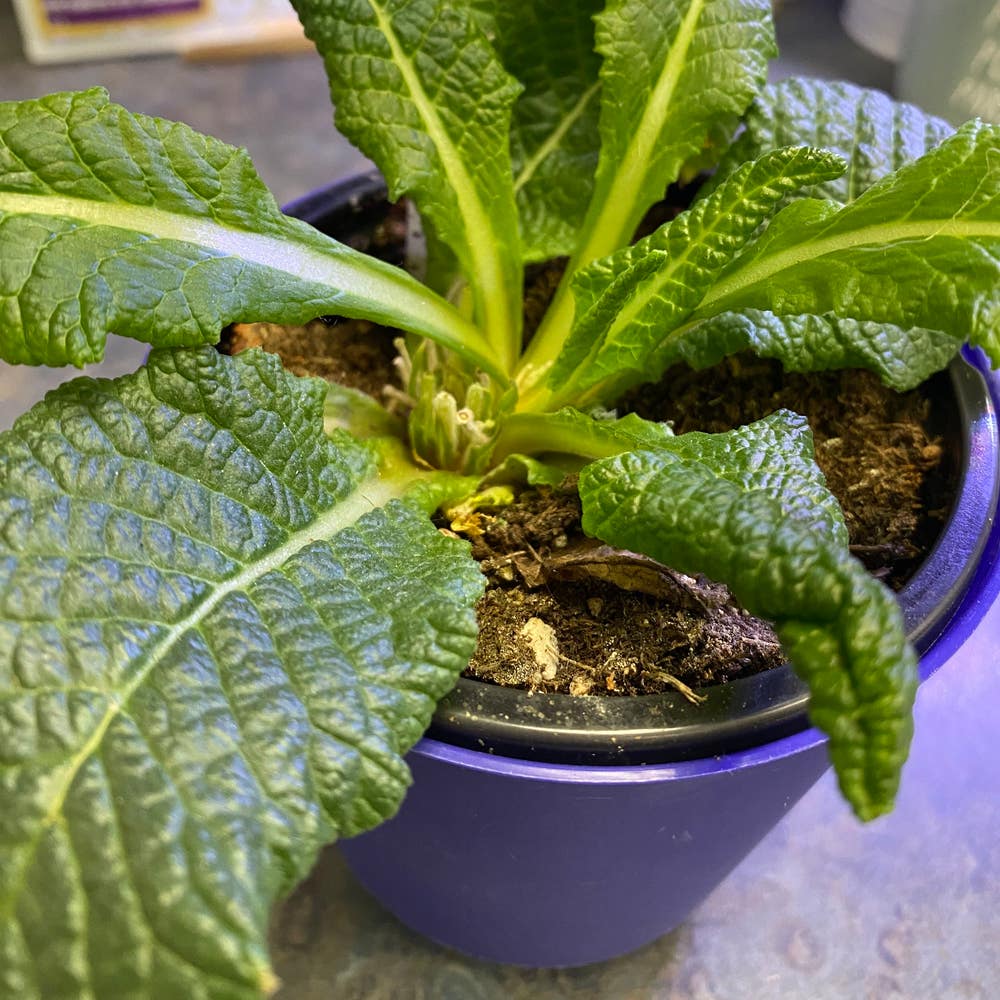
🌸 Understanding Curling Leaves on Your Primrose
Primula spp.
By the Greg Editorial Team
Oct 18, 2024•6 min read
This article was created with the help of AI so we can cover more plants for you. May contain errors. See one? Report it here.
- 🌞💧 Leaf curling in primroses results from heat, drought, or improper watering.
- 🌱 Nutrient deficiencies like nitrogen and potassium cause curling leaves; fertilize regularly.
- 🐛 Pests and diseases can damage leaves; inspect plants for early detection.
Common Causes of Leaf Curling
🌡️ Environmental Stress
Extreme heat can wreak havoc on your primrose leaves. High temperatures affect leaf structure and moisture retention, leading to curling as the plant struggles to cope.
Drought conditions further exacerbate this issue. When soil moisture dwindles, leaves may curl to conserve water, signaling distress in your plant.
Poor air circulation is another culprit. Without adequate airflow, humidity can build up, creating an environment ripe for leaf curl.
🥦 Nutrient Deficiencies
Nitrogen deficiency is a common issue that manifests through curling leaves. When nitrogen levels drop, leaves may turn yellow and lose their vibrant color, indicating a need for nutrients.
Other nutrient deficiencies, particularly potassium and magnesium, also play a role in leaf health. These elements are crucial for overall plant vigor, and their absence can lead to noticeable curling.
🌱 Soil Conditions
Well-draining soil is vital for preventing root rot, which can lead to leaf curling. If water accumulates around the roots, it can suffocate them, causing stress that reflects in the leaves.
Maintaining ideal moisture levels is equally important. Overwatering can lead to soggy soil, while underwatering can dry out the roots, both resulting in curled leaves as the plant reacts to its unfavorable conditions.
Understanding these common causes of leaf curling can help you take proactive steps to keep your primrose healthy. Next, we’ll explore how to diagnose the problem effectively.
Diagnosing the Problem
🌿 Identifying Symptoms of Leaf Curl
When your Primrose leaves start curling, it’s essential to identify the type of curl. Leaves can curl upward or downward, each indicating different underlying issues.
Color changes also play a crucial role in diagnosis. Yellowing or browning leaves can signal nutrient deficiencies or environmental stress, helping you pinpoint the problem.
🐛 Differentiating Between Pest and Disease Issues
Pests can wreak havoc on your Primrose, leaving distinct damage patterns. Look for irregular holes in leaves or tiny droppings, which are telltale signs of an infestation.
On the other hand, diseases often manifest as fungal infections. Discoloration, such as dark spots or a powdery appearance, can indicate a more serious issue that needs addressing.
☀️ Assessing Environmental Conditions
Evaluating sunlight exposure is vital for your Primrose's health. Ideally, they thrive in bright, indirect light, so ensure they’re not getting scorched by direct sun.
Humidity levels also matter significantly. Primroses prefer a moist environment, so checking the air moisture can help maintain healthy leaves and prevent curling.
By diagnosing these symptoms and conditions, you can take proactive steps to restore your Primrose's vitality. Next, let’s explore treatment options to address these issues effectively.
Treatment Options
🌱 Organic Solutions for Pest Control
Neem oil is a powerful ally in the fight against common pests. To use it effectively, mix it with water and a few drops of dish soap, then spray it directly onto affected leaves, ensuring full coverage.
Insecticidal soap is another great option for treating pest infestations. Simply spray it on the leaves, focusing on the undersides where pests often hide, and repeat every few days until the problem is resolved.
🧪 Chemical Treatments for Diseases
Fungicides can be crucial for managing fungal diseases that affect Primrose. There are various types available, including systemic and contact fungicides, each with specific application methods.
Timing is key when using fungicides. Apply them at the first sign of disease and follow up according to the product instructions to ensure maximum effectiveness.
💧 Adjusting Watering Practices
Consistent watering is vital for maintaining healthy Primrose plants. Establish a schedule based on your plant's needs, typically watering when the top inch of soil feels dry.
Be vigilant about signs of overwatering or underwatering. Yellowing leaves may indicate overwatering, while wilting can signal that your plant needs more moisture.
🌿 Fertilization Techniques to Alleviate Nutrient Deficiencies
Choosing the right fertilizers is essential for addressing nutrient deficiencies in Primrose. Look for options with balanced NPK ratios, such as 10-10-10, to support overall plant health.
Timing your fertilization is equally important. Apply fertilizers during the growing season, ideally in early spring and mid-summer, to give your Primrose the nutrients it needs to thrive.
With these treatment options in hand, you can effectively tackle the challenges your Primrose may face. Next, let’s explore preventive measures to keep your plants healthy and vibrant.
Preventive Measures
🌱 Best Practices for Primrose Care
Maintaining a regular watering schedule is crucial for your Primrose. Consistent moisture helps keep the soil at optimal levels, preventing stress that can lead to leaf curling.
Mulching is another effective practice. It not only retains moisture but also regulates soil temperature, creating a stable environment for your plants.
☀️ Ideal Growing Conditions to Prevent Leaf Curl
Primrose thrives in well-lit areas, so ensuring proper sunlight exposure is essential. Aim for a location that receives bright, indirect light to keep your plants healthy.
Additionally, focus on the soil quality. Well-draining, nutrient-rich soil is vital for preventing root issues and promoting robust growth.
🍂 Seasonal Care Tips for Primrose
In spring, prepare your Primrose for growth and blooming by ensuring it has adequate nutrients and water. This is the time to give your plants the care they need to flourish.
As fall approaches, shift your focus to preparing for dormancy. Protect your Primrose from frost by providing adequate cover and adjusting watering practices to suit the cooler temperatures.
By following these preventive measures, you can help your Primrose thrive and reduce the chances of leaf curling. Next, let’s explore how to monitor and maintain your plants effectively.
Monitoring and Maintenance
🕵️ Regular Inspection for Pests and Diseases
Regularly inspecting your Primrose is crucial for early detection of pests and diseases. Aim to check your plants at least once a week for any signs of trouble.
Look for changes in leaf color, texture, and growth patterns. Yellowing leaves or unusual spots can indicate underlying issues that need attention.
🌱 Importance of Soil Health
Soil health plays a vital role in the overall well-being of your Primrose. Testing soil pH and nutrient levels can help you understand what your plants need.
You can conduct soil tests using kits available at garden centers. This will guide you in making informed decisions about amendments.
🛠️ Amending Soil
Improving soil quality can significantly enhance plant health. Techniques such as adding organic matter, like compost, can boost nutrient levels and improve drainage.
Consider incorporating mulch to retain moisture and regulate temperature. This simple step can make a big difference in your Primrose's resilience.
🍂 Adjusting Care Based on Seasonal Changes
As the seasons change, so should your care routine. Modifying watering and fertilization based on weather conditions is essential for optimal growth.
Pay attention to the signs your Primrose gives you. If leaves start curling or discoloring, it may be time to adjust your care approach.
🚨 Recognizing Stress Signs
Recognizing stress signs in your Primrose can help you respond effectively. Look for wilting, leaf curl, or stunted growth as indicators of environmental stress.
Being proactive can save your plants from further decline. Stay observant and adjust your care practices as needed to keep your Primrose thriving.
By maintaining a consistent monitoring routine and adjusting care based on seasonal changes, you can ensure your Primrose remains healthy and vibrant. Next, let’s explore preventive measures to keep your plants in top shape.
⚠️ Safety First
This content is for general information and may contain errors, omissions, or outdated details. It is not medical, veterinary advice, or an endorsement of therapeutic claims.
Always consult a qualified healthcare professional before using any plant as food, medicine, or supplement.
Never eat any plant (or feed one to pets) without confirming its identity with at least two trusted sources.
If you suspect poisoning, call Poison Control (800) 222-1222, the Pet Poison Helpline (800) 213-6680, or your local emergency service immediately.
Spotted an error? Please report it here.
Keep your primrose curl-free 🌿 by using Greg's tailored care reminders and nutrient tracking to ensure it thrives in the best conditions possible!