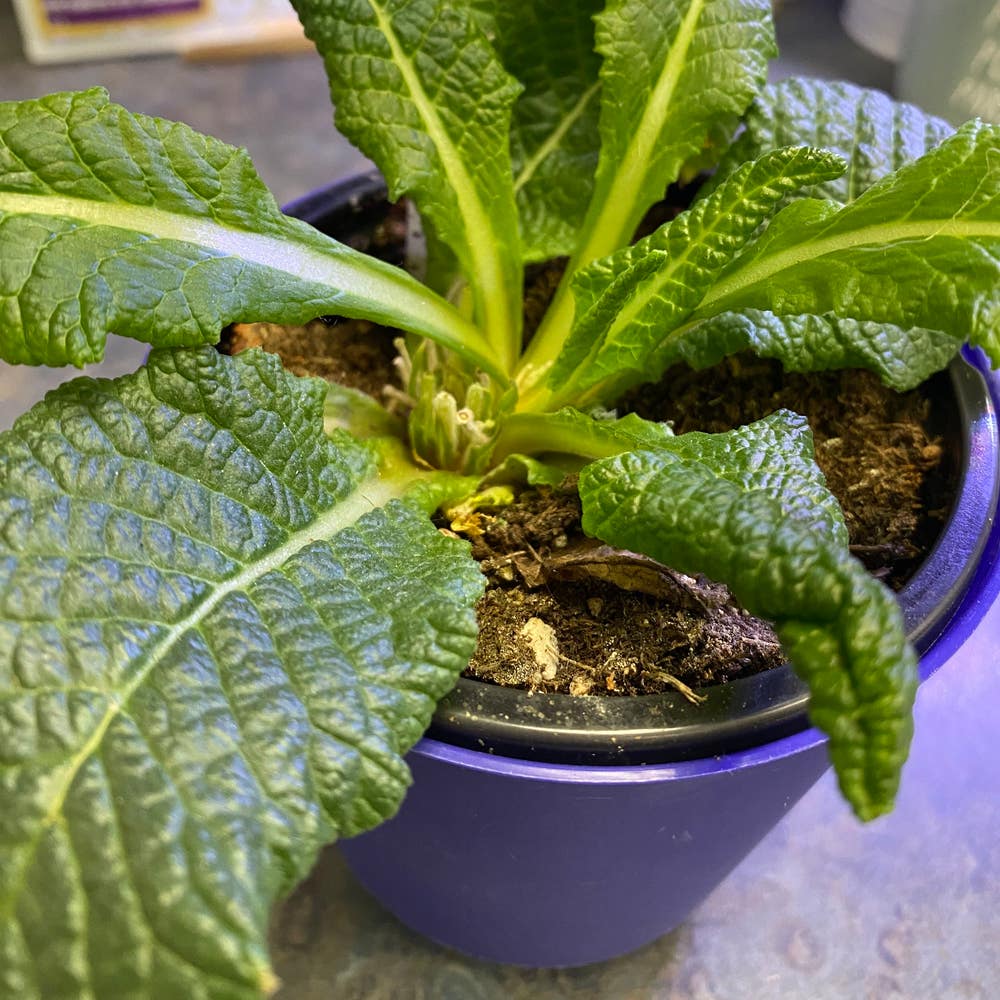
🌼 Managing Black Spots on Your Primrose Leaves
Primula spp.
By the Greg Editorial Team
Oct 18, 2024•5 min read
This article was created with the help of AI so we can cover more plants for you. May contain errors. See one? Report it here.
- 🌱 Regularly inspect leaves for black spots to catch issues early and maintain health.
- 💧 Control humidity and temperature to prevent fungal diseases affecting Primrose leaves.
- ✂️ Prune infected leaves promptly to stop disease spread and promote plant vitality.
Diagnosing Black Spots
🔍 Visual Inspection Techniques
To effectively diagnose black spots on your Primrose leaves, start with a close examination. Check both the upper and lower surfaces of the leaves for any signs of discoloration or damage.
Using a magnifying glass can enhance your observation. This tool allows you to spot tiny pests or detailed characteristics of the black spots, making it easier to identify the issue.
🌧️ Environmental Factors Contributing to Black Spots
Humidity plays a crucial role in the health of your Primrose. Ideally, keep humidity levels moderate; excess moisture can lead to fungal diseases that manifest as black spots.
Temperature fluctuations can also affect leaf health. Extreme highs or lows can stress the plant, making it more susceptible to diseases.
Light exposure is another key factor. Ensure your Primrose receives indirect sunlight to prevent stress and promote healthy growth.
🌱 Soil and Watering Conditions Affecting Primrose Health
Soil moisture is vital for Primrose care. Aim for consistently moist soil, but be vigilant for signs of overwatering, such as yellowing leaves or root rot.
The type of soil you use matters too. Well-draining soil is essential to prevent root rot and fungal infections, which can lead to black spots on leaves.
Finally, consider your watering frequency. A regular schedule that allows the soil to dry slightly between waterings will keep your Primrose healthy and thriving.
By understanding these diagnostic techniques and environmental factors, you can take proactive steps to maintain your Primrose's health. Next, we’ll explore effective treatment options for those pesky black spots.
Treating Black Spots
🛠️ Step-by-Step Treatment Options for Black Spots
Treating black spots on your Primrose starts with identifying the type of infection. Is it fungal or bacterial? This distinction is crucial for effective treatment.
Next, remove any affected leaves. Pruning helps prevent the spread of the infection and keeps your plant healthy.
Finally, adjust your watering practices. Ensure the soil drains well and avoid overhead watering to minimize moisture on the leaves.
🌿 Recommended Fungicides and Natural Remedies
When it comes to chemical fungicides, look for specific products designed to combat common fungi. These can be highly effective in restoring your Primrose’s health.
For a more natural approach, consider using neem oil or baking soda solutions. Both options can help manage fungal issues without harsh chemicals.
Proper application methods are key for maximum effectiveness. Always follow the instructions on the product label to ensure you're treating your plant correctly.
✂️ Importance of Pruning Affected Leaves
Timing is everything when it comes to pruning. The best time to remove leaves is during dry weather, which minimizes stress on the plant.
Make sure you have clean, sharp pruning shears on hand. This prevents further infection and ensures a clean cut.
Lastly, dispose of infected plant material safely. Avoid composting it, as this can spread the disease to other plants.
With these treatment options, your Primrose can bounce back from black spots and thrive once more. Next, let’s explore how to prevent these issues from arising in the first place.
Preventing Black Spots
🌱 Best Practices for Primrose Care
Regular monitoring is crucial for keeping your Primrose healthy. Check for early signs of disease, as catching issues promptly can make all the difference.
Proper spacing between plants is essential for adequate air circulation. This helps prevent the buildup of moisture, which can lead to black spots.
Mulching is another effective strategy. Using organic mulch maintains soil moisture without causing over-saturation, creating a balanced environment for your plants.
🌡️ Ideal Growing Conditions to Prevent Disease
Temperature and humidity play significant roles in Primrose health. Aim for a temperature range of 60-70°F and humidity levels around 40-60% for optimal growth.
Soil composition is equally important. Incorporate amendments like compost or perlite to enhance drainage and fertility, ensuring your Primrose thrives.
Light conditions matter too. Filtered sunlight is ideal, as it prevents stress on the leaves and reduces the risk of disease.
🍂 Seasonal Care Tips to Minimize Risk
In spring, prepare your Primrose for growth by ensuring they have the right nutrients and conditions. This proactive approach can help prevent potential diseases.
During summer, manage heat and humidity levels. Providing shade during the hottest parts of the day can protect your plants from stress.
As fall approaches, ensure your Primrose is ready for winter dormancy. Proper preparation now can set the stage for a healthy resurgence in spring.
By following these best practices and seasonal tips, you can significantly reduce the risk of black spots on your Primrose leaves. Next, let’s explore common misconceptions surrounding these pesky spots.
Common Misconceptions
🕵️♂️ Myths About Black Spots on Primrose
Many gardeners mistakenly believe that all black spots on Primrose leaves indicate a disease. In reality, these spots can arise from various factors, including environmental stress or nutrient deficiencies.
Another common myth is that overwatering is always beneficial. While plants need moisture, excessive water can lead to root rot and exacerbate leaf issues.
🐛 Clarifying the Role of Pests in Leaf Discoloration
Certain pests can cause significant damage to Primrose leaves, leading to discoloration. Aphids and spider mites are notorious for sucking the sap and weakening the plant.
To differentiate between pest-related damage and disease, look for specific symptoms. For instance, pests often leave behind webbing or sticky residue, while disease typically presents as uniform spots or discoloration.
Implementing integrated pest management (IPM) strategies can help control these pests effectively. This approach focuses on using natural predators and organic treatments, minimizing harm to your Primrose while keeping pests at bay.
Understanding these misconceptions can empower you to take better care of your Primrose. With the right knowledge, you can ensure your plants thrive, free from unnecessary worry.
⚠️ Safety First
This content is for general information and may contain errors, omissions, or outdated details. It is not medical, veterinary advice, or an endorsement of therapeutic claims.
Always consult a qualified healthcare professional before using any plant as food, medicine, or supplement.
Never eat any plant (or feed one to pets) without confirming its identity with at least two trusted sources.
If you suspect poisoning, call Poison Control (800) 222-1222, the Pet Poison Helpline (800) 213-6680, or your local emergency service immediately.
Spotted an error? Please report it here.
Keep your Primrose healthy and spot-free 🌿 by using Greg's tailored care reminders and expert tips to tackle black spots before they spread!