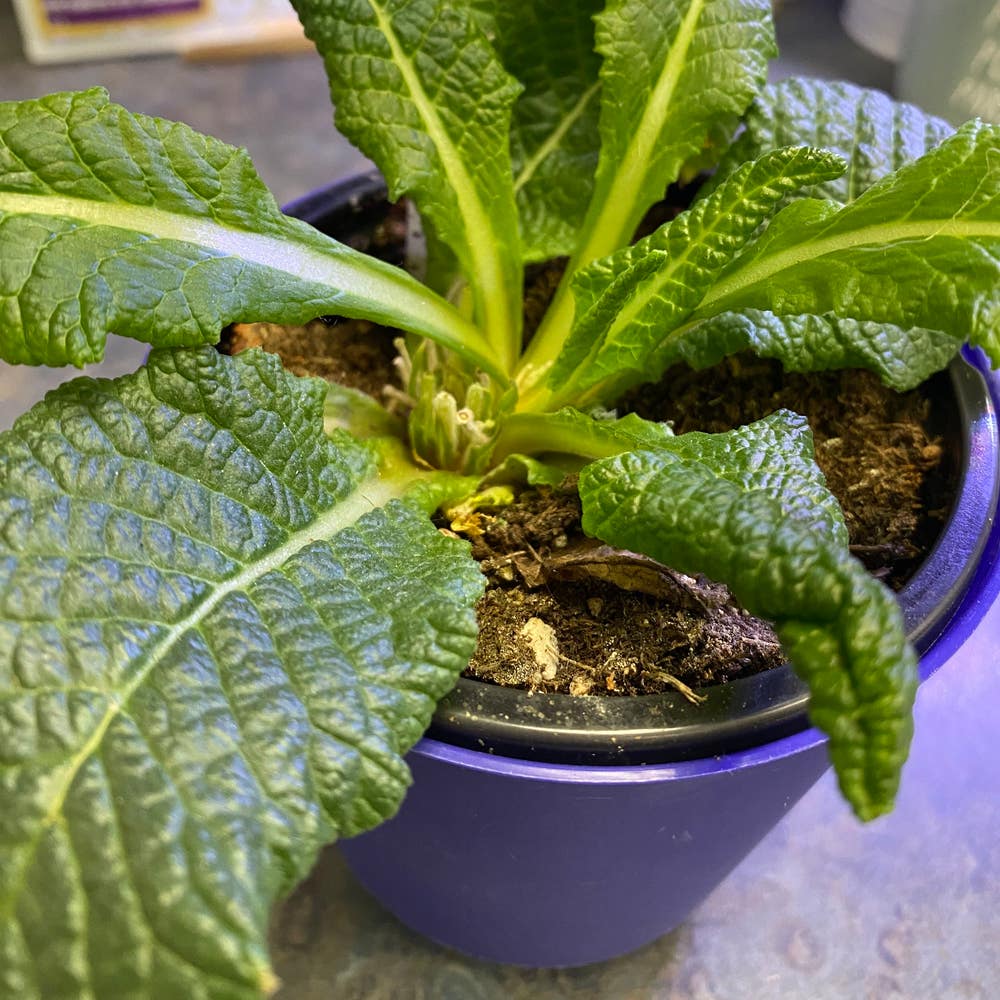
🌼 How to Fix Droopy Leaves on Your Primrose
Primula spp.
By the Greg Editorial Team
Oct 18, 2024•6 min read
This article was created with the help of AI so we can cover more plants for you. May contain errors. See one? Report it here.
- 💧 Droopy leaves indicate overwatering or underwatering; adjust care accordingly.
- 🌱 Maintain moist, well-drained soil to prevent droopy leaves and root issues.
- 🌞 Optimal light and temperature are crucial; Primrose thrives in partial shade and 15-20°C.
Causes of Droopy Leaves
💧 Overwatering and Its Effects
Droopy leaves on your Primrose can often signal overwatering. Symptoms include wilting, yellowing leaves, and the dreaded root rot.
Managing soil moisture is crucial. Primrose thrives in soil that is moist but not waterlogged, so keep an eye out for signs of excess water, like soggy soil.
🚰 Underwatering and Its Symptoms
On the flip side, underwatering can also lead to droopy leaves. Look for dry, crispy leaf edges and soil pulling away from the pot's edges.
Consistency is key when watering. Aim for a regular schedule, and check the soil moisture frequently to avoid stress on your plant.
🌱 Soil Quality and Drainage Issues
The right soil conditions are vital for a healthy Primrose. Ideally, it should be well-drained and moist, with loamy soil being a top choice.
Poor drainage can wreak havoc on root health. Signs include soil compaction and standing water, which can lead to serious issues.
🌡️ Temperature Fluctuations and Stress
Primrose prefers a cozy temperature range of 15°C to 20°C (59°F to 68°F). Extreme heat or cold can cause leaf drooping and other stress symptoms.
Keep an eye out for color changes in the leaves, as these can indicate temperature-related stress.
☀️ Light Conditions and Their Impact
Primrose enjoys partial shade to full sun, but too much direct sunlight can be harmful. Watch for signs of inadequate light, such as stretching or leggy growth.
If your Primrose is drooping due to insufficient light, consider adjusting its placement to ensure it gets the right amount of sun.
Understanding these causes will help you take the necessary steps to revive your droopy Primrose. Next, let’s dive into how to diagnose the specific issues affecting your plant.
Diagnosing Droopy Leaves
Identifying Signs of Overwatering 🌊
Overwatering is a common issue for Primrose plants. Look for visual indicators like yellowing leaves, which signal distress.
To confirm, examine the roots for rot. Healthy roots should be firm and white, while rotten roots appear brown and mushy.
For soil moisture testing, consider using a moisture meter for accuracy. Alternatively, the finger test—sticking your finger into the soil—can help you gauge moisture levels effectively.
Recognizing Signs of Underwatering 💧
Underwatering can also lead to droopy leaves. Check for dry, crispy leaf edges as a primary symptom.
Additionally, assess the soil condition; it may pull away from the pot edges when too dry. Regular checks on soil moisture are crucial to prevent this issue.
Checking for Pests and Diseases 🐛
Pests can wreak havoc on your Primrose. Inspect the undersides of leaves and the soil for signs of infestation.
Look for damage like holes or sticky residue, which indicate pest activity. Identifying diseases is equally important; watch for symptoms like discoloration or wilting.
Evaluating Environmental Conditions 🌤️
Environmental factors play a significant role in leaf health. Start by assessing light exposure; measure how many sunlight hours your Primrose receives daily.
If necessary, adjust the plant's placement to meet its light needs. Additionally, monitor temperature fluctuations using a thermometer to ensure your Primrose stays within its preferred range.
Understanding these diagnostic signs will empower you to take action and restore your Primrose's vitality. Next, let’s explore effective solutions for droopy leaves.
Solutions for Droopy Leaves
🌊 Adjusting Watering Practices
To revive your droopy Primrose, start by adjusting your watering schedule. Water frequency should vary based on the season and environmental conditions.
Deep watering is essential for encouraging robust root growth. This method ensures that moisture penetrates deeply into the soil, promoting healthier plants.
🕳️ Improving Soil Drainage
Next, focus on enhancing soil drainage. Adding perlite or sand can significantly improve soil texture, allowing for better water flow.
Consider repotting your Primrose in well-draining containers. Choosing pots with drainage holes is crucial to prevent water accumulation, which can lead to root rot.
☀️ Modifying Light Exposure
Light conditions play a vital role in your plant's health. Adjusting the placement of your Primrose to areas with optimal light can make a noticeable difference.
If your plant is exposed to excessive sunlight, using shade cloths or filters can protect it during peak hours. This simple adjustment can help prevent leaf drooping.
🐛 Treating Pests and Diseases
Pests and diseases can also contribute to droopy leaves. Employ organic pest control methods, such as neem oil or insecticidal soap, to keep your Primrose healthy.
For physical pests, handpicking slugs and other nuisances can be effective. Additionally, maintaining proper sanitation by removing affected leaves will help manage diseases.
🌱 Fertilization Tips for Healthy Leaves
Fertilization is another key aspect of care. Use balanced NPK fertilizers to provide essential nutrients for your Primrose.
Timing is everything when it comes to fertilization. Following best practices for seasonal feeding will ensure your plant thrives throughout the year.
With these solutions, your Primrose can bounce back from droopy leaves and flourish beautifully. Next, let’s explore preventative measures to keep your plant healthy long-term.
Preventative Measures
🌊 Best Practices for Watering Primrose
Establishing a consistent watering routine is crucial for keeping your Primrose healthy. Consider using the Greg plant care app for reminders to ensure you’re watering at the right intervals.
Monitor signs of proper watering, such as moist but not soggy soil. If the leaves appear vibrant and firm, you’re likely on the right track.
🌱 Ideal Soil Conditions for Primrose
Regular soil testing for pH and nutrients is essential for optimal growth. Aim for a pH range of 6.0 to 7.0 to keep your Primrose thriving.
Soil amendments can significantly enhance plant health. Adding organic matter or compost can improve nutrient availability and soil structure.
🍂 Seasonal Care Tips to Prevent Drooping
Adjust your care routine based on seasonal changes. Primroses have different needs in spring and summer compared to fall and winter.
Keep an eye on environmental factors, such as temperature and humidity, to ensure your Primrose gets the right care throughout the year.
🕵️♂️ Regular Monitoring for Pests and Diseases
Establish a routine inspection schedule to catch any issues early. Regular checks can help you spot pests or diseases before they become a problem.
Maintaining plant health through vigilance is key. A proactive approach will keep your Primrose looking its best and prevent drooping leaves.
With these preventative measures in place, you can enjoy a flourishing Primrose. Next, let’s explore solutions for droopy leaves when they do occur.
⚠️ Safety First
This content is for general information and may contain errors, omissions, or outdated details. It is not medical, veterinary advice, or an endorsement of therapeutic claims.
Always consult a qualified healthcare professional before using any plant as food, medicine, or supplement.
Never eat any plant (or feed one to pets) without confirming its identity with at least two trusted sources.
If you suspect poisoning, call Poison Control (800) 222-1222, the Pet Poison Helpline (800) 213-6680, or your local emergency service immediately.
Spotted an error? Please report it here.
Revive your droopy Primrose with tailored care tips 🌱 from Greg, ensuring perfect watering and light conditions for a flourishing plant!