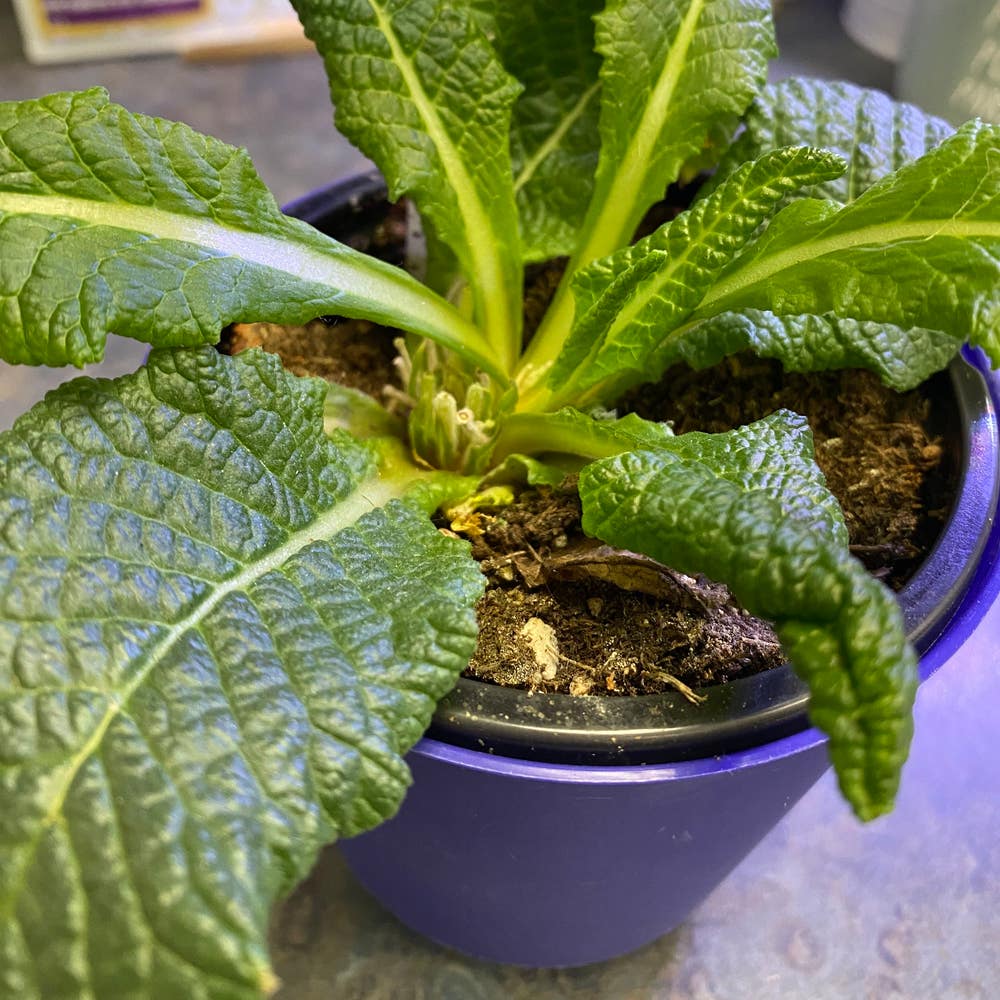
🌼 Primrose Is a Perennial
Primula spp.
By the Greg Editorial Team
Aug 24, 2024•5 min read
This article was created with the help of AI so we can cover more plants for you. May contain errors. See one? Report it here.
- 🌼 Primrose is a true perennial, blooming in spring and resting in summer.
- 🌱 Regrows from the same roots each year, ensuring longevity and less replacement effort.
- 🌍 Thrives in various climates, making it a versatile choice for any garden.
Characteristics of Primrose as a Perennial
Multi-Year Lifecycle 🌱
Primrose is a true perennial, typically blooming in early spring and entering a dormant phase during the summer months. This lifecycle sets it apart from annual and biennial plants, showcasing its longevity and resilience.
Primrose thrives year after year, making it a reliable choice for gardeners. Unlike annuals that need replanting each season, Primrose offers a stable presence in your garden.
Growth Patterns and Regrowth 🌼
Each year, Primrose regrows from the same root system, ensuring a robust return. This regrowth is supported by its deep roots, which provide stability and efficient nutrient uptake.
Different species and cultivars of Primrose exhibit variability in their growth patterns. Some may flourish in specific conditions, while others adapt uniquely to their environment, adding diversity to your garden.
Flowering and Lifespan
🌼 Flowering Cycles
Primrose typically bursts into bloom in early spring, showcasing vibrant colors that can brighten any garden. Under the right conditions, these charming flowers may even re-bloom, extending their display throughout the season.
Several factors influence this flowering magic. Light exposure, temperature fluctuations, and soil quality all play crucial roles in determining when and how profusely Primrose flowers.
⏳ Expected Lifespan
On average, Primrose plants enjoy a lifespan of 3 to 5 years. However, with optimal care, some varieties can thrive even longer, rewarding gardeners with their beauty year after year.
The longevity of these perennials hinges on several key factors. Soil health, consistent watering practices, and effective pest management are essential for keeping your Primrose flourishing and vibrant.
As you cultivate your garden, remember that understanding these flowering cycles and lifespan factors will help you maximize the beauty and resilience of your Primrose plants. This knowledge sets the stage for exploring how to care for them through dormancy and seasonal changes.
Dormancy and Seasonal Changes
🌱 Dormancy Periods
Primrose experiences dormancy during the summer months, entering a phase of inactivity. This is a natural response to heat, allowing the plant to conserve energy until conditions improve.
Signs of dormancy include yellowing leaves and noticeably reduced growth. If you notice your Primrose looking a bit lackluster, don’t worry; it’s just taking a well-deserved break.
🍂 Seasonal Changes
As seasons shift, Primrose adapts beautifully to varying temperatures and light conditions. In spring, it bursts into vibrant blooms, while in summer, it conserves resources during the heat.
These seasonal changes significantly impact flowering and overall health. A well-timed watering schedule and attention to light exposure can help your Primrose thrive throughout the year.
Understanding these cycles not only enhances your gardening experience but also ensures your Primrose remains a stunning focal point in your garden.
Advantages for Gardeners
🌼 Benefits of Perennial Nature
Primrose offers significant advantages for gardeners, primarily due to its perennial nature. Once established, these vibrant flowers require less frequent replacement compared to annuals, saving you time and effort.
Their robust root systems enhance resilience against drought and pests. This stability allows Primrose to thrive even in challenging conditions, making it a reliable choice for any garden.
💰 Long-Term Cost Efficiency
Planting perennials like Primrose is not just a gardening choice; it's a financial strategy. Over time, the costs associated with planting perennials are lower than those for annuals, thanks to reduced replanting needs.
This long-term cost efficiency means you can invest in other aspects of your garden while enjoying the beauty of Primrose year after year. With the right care, these plants can flourish for several seasons, providing ongoing value and delight.
As you consider the advantages of Primrose, think about how these benefits can enhance your garden planning. Transitioning to a perennial-focused garden can lead to a more sustainable and enjoyable gardening experience.
Variations Across Climate Zones
🌦️ Influence of Climate
Primrose thrives in various climates, but its growth and flowering can significantly differ based on environmental conditions. In northern regions, cold hardiness allows Primrose to survive harsh winters, while southern areas benefit from heat tolerance, enabling these plants to flourish in warmer temperatures.
Understanding these climate influences is crucial for gardeners. For instance, Primrose varieties in cooler climates often bloom earlier, taking advantage of the mild spring temperatures, while those in warmer regions may have extended flowering periods throughout the year.
🌱 Adaptations in Growing Conditions
Selecting the right Primrose variety for your climate can make all the difference. Some species, like Primula vulgaris, are well-suited for cooler areas, while others, such as Primula sieboldii, thrive in warmer conditions.
Choosing the appropriate species not only maximizes growth but also enhances flowering potential. This tailored approach ensures that your Primrose plants remain vibrant and healthy, adapting seamlessly to your local environment.
With the right knowledge, you can cultivate a stunning Primrose display that reflects the beauty of your climate zone. As we move forward, let’s explore how to maximize these benefits in your garden planning.
Maximizing Benefits in Garden Planning
🌱 Tips for Long-Term Cultivation
To enhance Primrose growth, start with well-draining soil rich in organic matter. Mixing compost into your planting area not only improves soil structure but also provides essential nutrients.
Regular monitoring is crucial for optimal health. Keep an eye on moisture levels and watch for any signs of pests or disease to ensure your Primrose thrives.
🌼 Strategies for Incorporating in Garden Design
Companion planting can significantly benefit your Primrose. Pairing them with other perennials like ferns or annuals such as pansies can create a vibrant, diverse garden ecosystem.
For seasonal interest, consider strategic placement. Position Primrose near pathways or in front of taller plants to showcase their colorful blooms during spring, ensuring your garden remains lively throughout the year.
⚠️ Safety First
This content is for general information and may contain errors, omissions, or outdated details. It is not medical, veterinary advice, or an endorsement of therapeutic claims.
Always consult a qualified healthcare professional before using any plant as food, medicine, or supplement.
Never eat any plant (or feed one to pets) without confirming its identity with at least two trusted sources.
If you suspect poisoning, call Poison Control (800) 222-1222, the Pet Poison Helpline (800) 213-6680, or your local emergency service immediately.
Spotted an error? Please report it here.
Cultivate a vibrant Primrose garden 🌼 with Greg's tailored care reminders and tips, ensuring your perennials bloom beautifully year after year!