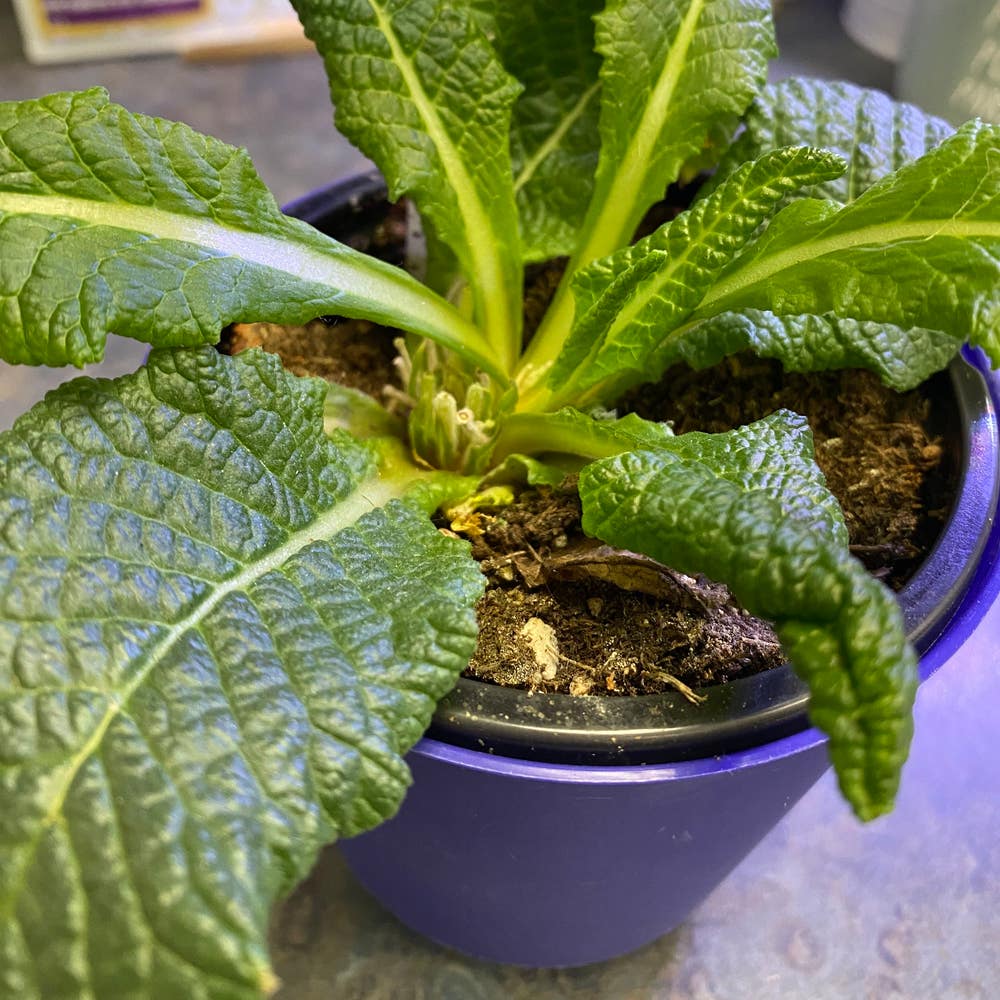
🌼 Ultimate Guide to Repotting Primrose
Primula spp.
By the Greg Editorial Team
Aug 24, 2024•6 min read
This article was created with the help of AI so we can cover more plants for you. May contain errors. See one? Report it here.
- 🌱 Repotting Primrose is easy with a clear step-by-step process for success.
- 🪴 Choose a pot 1-2 inches larger to promote optimal growth and health.
- 💧 Use well-draining soil and water thoroughly to prevent root rot after repotting.
Repotting Process for Primrose
Step-by-step guide to repotting Primrose
Repotting your Primrose can seem daunting, but with a clear plan, it’s quite manageable. Follow these steps for a successful transition.
Prepare the new pot and soil
Choose a pot that is 1-2 inches larger in diameter than the current one. Opt for a well-draining potting mix to promote healthy growth.Remove the Primrose from its current pot
Gently squeeze the sides of the pot to loosen the soil. Carefully pull the plant out by the base, ensuring you don’t damage the roots.Inspect and trim the roots
Look for any damaged or dead roots that may hinder growth. Trim back any circling roots to encourage new growth.Place the Primrose in the new pot
Position the plant at the same soil level as before to avoid stress. Fill in around the plant with fresh potting soil, ensuring it’s snug but not compacted.Water thoroughly
After planting, water the Primrose thoroughly. Ensure the soil is evenly moist but not waterlogged to prevent root rot.
🛠️ Tools needed for repotting
Having the right tools makes the process smoother. Here’s what you’ll need:
- Clean, sharp pruning shears for trimming roots.
- A trowel or small spade to help with soil placement.
- A watering can or spray bottle for gentle watering.
- Gloves to protect your hands while handling soil and plants.
🌱 How to handle Primrose roots during repotting
Handling the roots with care is crucial. Here are some tips:
Gentle handling: Always be gentle to avoid damaging the roots. They are delicate and essential for the plant’s health.
Techniques for untangling roots: If roots are tangled, use your fingers to gently separate them. Avoid pulling too hard, as this can break them.
Importance of maintaining root structure: Keeping the root structure intact helps the plant adapt better to its new environment. Healthy roots lead to a thriving Primrose.
With these steps and tips, you’re well on your way to successfully repotting your Primrose. Next, let’s explore how to choose the right pot for your plant.
Choosing the Right Pot for Primrose
🏺 Pot materials and their suitability
When selecting a pot for your Primrose, consider the material carefully.
Ceramic pots
Ceramic pots are visually appealing and provide good insulation for the roots. However, they can be heavy and may retain moisture, which could lead to root rot if not monitored.
Plastic pots
Plastic pots are lightweight and budget-friendly, making them a popular choice. On the downside, they are less breathable, which can increase the risk of root rot.
Terracotta pots
Terracotta pots excel in drainage and are breathable, promoting healthy root growth. Yet, they can dry out quickly and are more fragile than other materials.
📏 Recommended pot sizes for different Primrose varieties
Choosing the right size pot is crucial for your Primrose's health.
English Primrose
For English Primrose, a pot size of 6-8 inches in diameter is ideal. This size allows for adequate root space without overwhelming the plant.
Cowslip
Cowslip requires a slightly larger pot, typically 8-10 inches in diameter. This ensures the roots have enough room to grow and thrive.
General guideline
As a general rule, increase the pot size by 1-2 inches for each repotting. This gradual increase helps maintain a balanced environment for your Primrose.
Selecting the right pot not only enhances the aesthetic appeal but also supports the overall health of your plant. With the right materials and sizes, your Primrose will flourish beautifully.
Next, let’s explore the best soil and drainage practices for repotting your Primrose.
Soil and Drainage for Repotting Primrose
🌱 Best potting soil mixes for Primrose
Choosing the right potting mix is crucial for your Primrose's health. A blend of peat moss, perlite, and compost creates an ideal environment, ensuring proper aeration and nutrients.
Maintaining a pH balance between 6.0 and 7.0 is essential. This range promotes optimal growth and prevents nutrient deficiencies.
🚰 Importance of drainage in pot selection
Drainage plays a vital role in preventing root rot, a common issue for Primroses. Without proper drainage, excess water can suffocate roots, leading to decay.
When selecting a pot, always check for adequate drainage holes. A pot with good drainage allows excess water to escape, keeping your plant healthy.
🪴 How to improve drainage for Primrose pots
If your potting mix lacks drainage, consider adding perlite or sand. These materials enhance airflow and prevent soil compaction.
Another effective method is to use a layer of gravel at the bottom of the pot. This creates a barrier that allows excess water to flow away from the roots, promoting a healthier plant.
With the right soil and drainage, your Primrose will thrive in its new home. Next, let's explore how to choose the perfect pot for your Primrose.
Post-Repotting Care for Primrose
💧 Watering Guidelines After Repotting
After repotting your Primrose, the first step is to give it a thorough soak. Water the plant until you see excess moisture draining from the bottom of the pot.
For ongoing care, maintain a consistent watering schedule. Aim to keep the soil evenly moist, but avoid waterlogging, which can lead to root rot.
☀️ Light Requirements Post-Repotting
Primrose thrives in bright, indirect sunlight. This light condition helps the plant acclimate without overwhelming it.
It's crucial to avoid direct sunlight immediately after repotting. This can stress the plant, so give it a few days to adjust before exposing it to stronger light.
By following these simple care tips, your Primrose will have the best chance to flourish in its new home. Next, let’s explore common challenges you might face and how to tackle them effectively.
Common Challenges and Solutions
🌱 Addressing Root-Bound Issues in Primrose
Root-bound plants can struggle to thrive. Look for signs like roots growing out of the drainage holes or circling tightly around the root ball.
To remedy this, consider repotting into a larger pot. You can also prune the roots gently to encourage new growth and prevent further binding.
💧 Dealing with Overwatering or Underwatering After Repotting
Overwatering is a common pitfall. Symptoms include yellow leaves and mushy roots, indicating your Primrose is drowning.
On the flip side, underwatering shows up as wilting and dry soil. Adjust your watering frequency to keep the soil consistently moist but not soggy.
⚠️ Signs of Stress in Repotted Primrose and How to Remedy Them
After repotting, monitor your Primrose closely. Changes in leaf color or stunted growth can signal stress.
To help your plant recover, adjust its light exposure and humidity levels. A little TLC can go a long way in restoring its health.
With these insights, you're better equipped to tackle common challenges and ensure your Primrose thrives in its new home. Next, let’s explore how to choose the right pot for your Primrose.
⚠️ Safety First
This content is for general information and may contain errors, omissions, or outdated details. It is not medical, veterinary advice, or an endorsement of therapeutic claims.
Always consult a qualified healthcare professional before using any plant as food, medicine, or supplement.
Never eat any plant (or feed one to pets) without confirming its identity with at least two trusted sources.
If you suspect poisoning, call Poison Control (800) 222-1222, the Pet Poison Helpline (800) 213-6680, or your local emergency service immediately.
Spotted an error? Please report it here.
Transform your Primrose's home with easy repotting tips 🌱 from Greg, ensuring it thrives with personalized care reminders and expert advice tailored just for you!