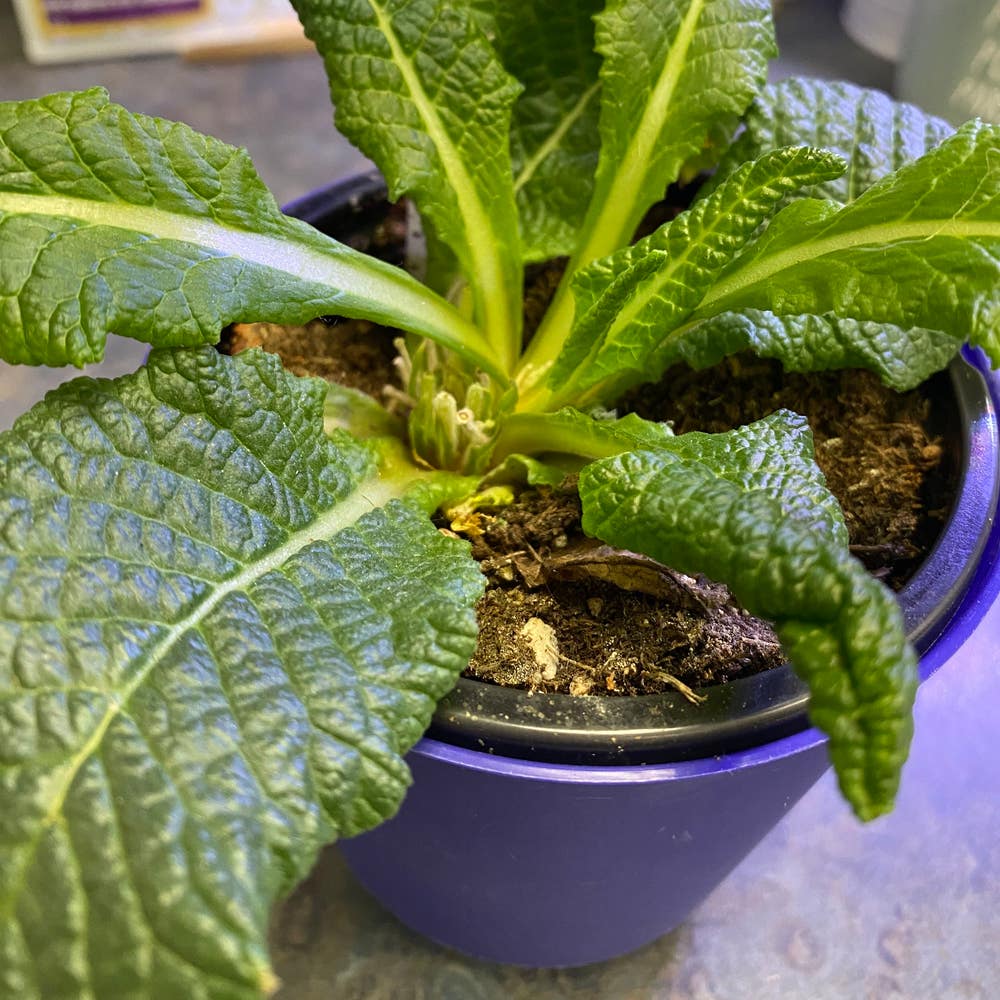
🌼 What to Do About Brown Spots on Your Primrose
Primula spp.
By the Greg Editorial Team
Oct 18, 2024•6 min read
This article was created with the help of AI so we can cover more plants for you. May contain errors. See one? Report it here.
- 🌱 Brown spots on primrose stem from pests, infections, or environmental stress.
- 🦠 Fungal and bacterial infections cause distinct brown spots; identify them for effective treatment.
- 💧 Proper watering and nutrition are vital to prevent brown spots and promote health.
Causes of Brown Spots
🦠 Fungal Infections
Fungal infections are a primary culprit behind brown spots on primrose leaves. Leaf spot disease, often caused by fungi like Alternaria and Botrytis, manifests as dark brown or black spots surrounded by yellow halos.
High humidity and poor air circulation create ideal conditions for these fungi to thrive. Keeping your primrose in a well-ventilated area can help mitigate this risk.
🦠 Bacterial Infections
Bacterial infections can also lead to unsightly brown spots. Bacterial leaf spot, typically caused by Pseudomonas, presents as water-soaked spots that eventually turn brown, sometimes resulting in leaf drop.
Warm, wet conditions are particularly conducive to bacterial growth. Ensuring your plant has adequate airflow can help prevent these issues.
🐜 Pest Infestations
🐜 Aphids
Aphids are small but mighty pests that can wreak havoc on your primrose. Look for sticky residue on leaves and curled foliage, which are telltale signs of an infestation.
These pests weaken the plant, making it more vulnerable to diseases. Regular inspections can help catch them early.
🕷️ Spider Mites
Spider mites are another pest to watch for. They leave fine webbing and cause stippled leaves, leading to discoloration and brown spots.
If you notice these signs, act quickly to prevent further damage. A proactive approach can save your plant from serious harm.
🌧️ Environmental Stress
💧 Overwatering
Overwatering can lead to root rot, which often results in yellowing and browning leaves. It's crucial to use well-draining soil to prevent waterlogging.
Monitoring soil moisture is essential for maintaining a healthy primrose. A little attention goes a long way.
💧 Underwatering
Conversely, underwatering can cause wilting and browning at the leaf edges. Regularly checking soil moisture helps maintain consistent hydration levels.
Finding the right balance is key to keeping your primrose thriving.
🥦 Nutrient Deficiencies
🌱 Nitrogen Deficiency
A lack of nitrogen can manifest as yellowing leaves with brown spots. Nitrogen is vital for healthy leaf growth, so ensuring your plant receives adequate nutrients is essential.
Regular fertilization can help prevent this deficiency.
🌱 Potassium Deficiency
Potassium deficiency leads to browning leaf edges and spots. This nutrient is crucial for overall plant health and disease resistance.
Incorporating a balanced fertilizer can support your primrose’s nutritional needs.
Understanding these causes is the first step in addressing brown spots on your primrose. By identifying the underlying issues, you can take effective action to restore your plant's health.
Diagnosing Brown Spots
Identifying Symptoms 🕵️♀️
To effectively diagnose brown spots on your primrose, start by examining the leaves closely. Distinguishing between fungal and bacterial issues is crucial; fungal infections often present dark brown or black spots with yellow halos, while bacterial infections show water-soaked spots that eventually turn brown.
Recognizing these specific symptoms allows for targeted treatment, ensuring your primrose receives the care it needs to thrive.
Assessing Environmental Factors 🌤️
Next, evaluate the environmental conditions surrounding your primrose. Primrose plants thrive in partial shade, so ensure they aren't exposed to harsh, direct sunlight.
Humidity and temperature also play significant roles in their health. Ideal conditions typically involve moderate humidity and temperatures that don't fluctuate drastically.
Checking for Pests 🐜
Regular inspections for pests are essential in maintaining the health of your primrose. Look for signs of aphids, which leave a sticky residue, and spider mites, identifiable by their fine webbing.
Early detection of these pests can prevent further damage, allowing you to take action before the situation worsens. Keeping a watchful eye on your plants is key to their longevity.
Treatment Options
🌱 Organic Fungicides
When dealing with brown spots on your primrose, organic fungicides can be a game changer. Products like neem oil and sulfur-based fungicides are highly recommended for their effectiveness.
Make sure to follow the label instructions carefully for the best results. Proper application ensures that your plants receive the full benefits without any adverse effects.
🦠 Bacterial Treatments
Bacterial issues can be tackled effectively through sanitation methods. Start by removing any affected leaves to prevent the spread of infection.
Cleaning your gardening tools is equally important. Maintaining plant hygiene is key to keeping your primrose healthy and thriving.
🐞 Pest Control Methods
For pest infestations, insecticidal soap works wonders against aphids and spider mites. This method is both effective and easy to apply.
Neem oil serves a dual purpose, acting as both a pesticide and fungicide. It’s a versatile option that can simplify your gardening routine.
💧 Adjusting Watering Practices
Consistent watering is crucial for your primrose's health. Avoid the extremes of over and underwatering to keep your plants thriving.
Aim to keep the soil evenly moist but not soggy. This balance is essential for preventing root rot and promoting healthy growth.
By implementing these treatment options, you can effectively manage brown spots on your primrose. Next, let’s explore preventive measures to ensure your plants remain healthy and vibrant.
Preventive Measures
Proper Watering Techniques 🌊
Monitoring soil moisture is key to keeping your primrose healthy. Water at the base of the plant to prevent wetting the leaves, which can lead to fungal issues.
Soil and Potting Mix Recommendations 🪴
Using well-draining soil is essential for primrose care. A mix of peat moss, perlite, and compost provides the right balance for drainage and nutrient retention.
Optimal Sunlight Exposure ☀️
Primrose thrives in partial shade, making it crucial to avoid direct sunlight during peak hours. This helps prevent leaf scorch and maintains vibrant foliage.
Regular Inspection for Pests and Diseases 🔍
Conduct weekly inspections to catch any pest or disease issues early. Monitoring changes in leaf health can save your plant from significant damage.
Fertilization Tips 🌱
Balanced NPK fertilizers are recommended to prevent nutrient deficiencies. Timing your fertilization during the growing season ensures your primrose gets the nutrients it needs to flourish.
By implementing these preventive measures, you can create a thriving environment for your primrose. Next, we'll explore seasonal considerations to further enhance your plant care routine.
Seasonal Considerations
🌱 Care During Spring Growth
As spring arrives, your primrose will start to flourish, making it crucial to keep an eye out for pests. Increased growth can attract unwanted visitors, so regular inspections are key.
Adjust your watering practices to match this growth surge. Ensure the soil remains consistently moist, but avoid waterlogging, which can lead to root issues.
❄️ Winter Dormancy
During winter, primroses enter a dormant phase, which can affect leaf health. Understanding this dormancy is vital, as it may lead to browning or wilting leaves.
To care for your primrose in winter, reduce watering significantly and protect the plants from frost. This helps them conserve energy and prepare for the next growth cycle.
☀️ Adjusting Care During Hot Summer Months
Hot weather means your primrose will need more water to thrive. Increased temperatures can quickly dry out the soil, so be vigilant about your watering routine.
Monitor your plants for signs of stress, such as wilting or browning leaves. Adjust your care accordingly to keep your primrose healthy and vibrant throughout the summer.
With these seasonal considerations in mind, you can ensure your primrose remains healthy year-round. Next, let's explore effective treatment options for any issues that may arise.
⚠️ Safety First
This content is for general information and may contain errors, omissions, or outdated details. It is not medical, veterinary advice, or an endorsement of therapeutic claims.
Always consult a qualified healthcare professional before using any plant as food, medicine, or supplement.
Never eat any plant (or feed one to pets) without confirming its identity with at least two trusted sources.
If you suspect poisoning, call Poison Control (800) 222-1222, the Pet Poison Helpline (800) 213-6680, or your local emergency service immediately.
Spotted an error? Please report it here.
Keep your primrose thriving 🌼 by using Greg's tailored reminders for watering and fertilization, ensuring you catch any issues before they turn into brown spots!