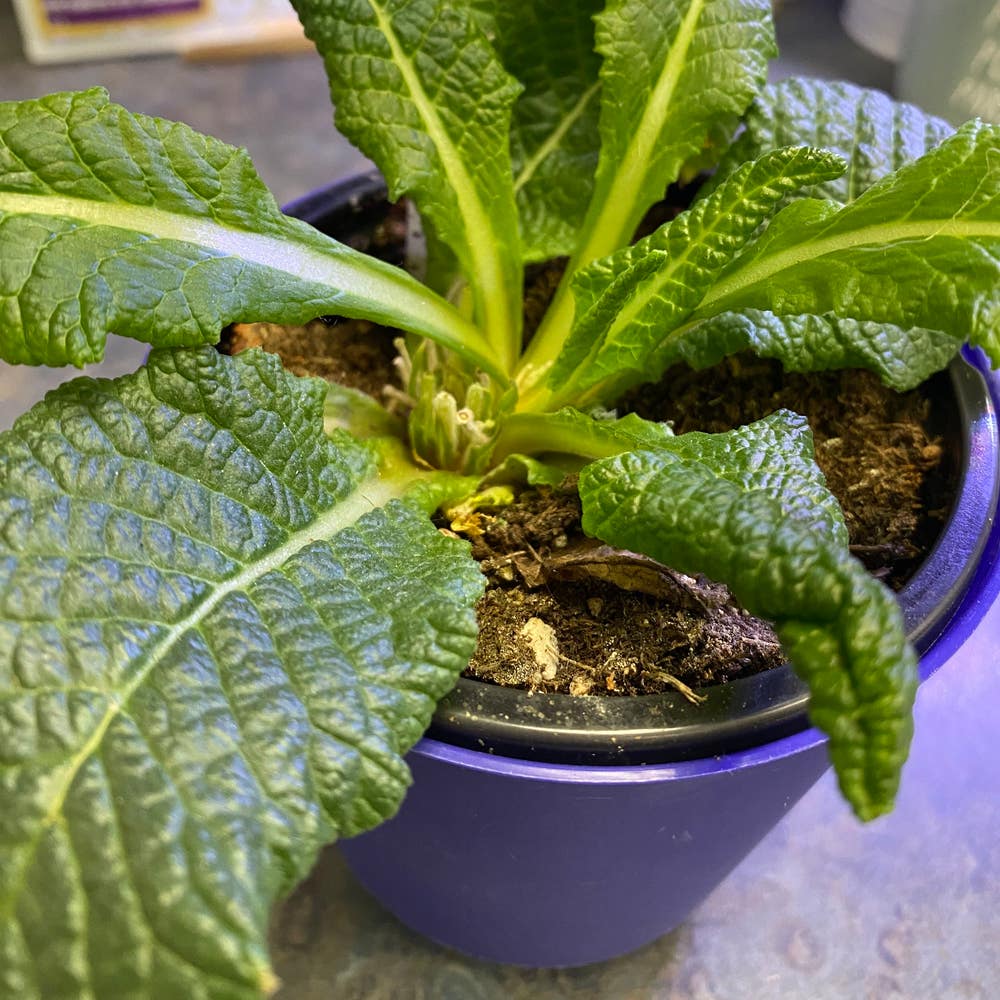
Ultimate Guide to Potting Primrose 🌸
Primula spp.
By the Greg Editorial Team
Aug 24, 2024•6 min read
This article was created with the help of AI so we can cover more plants for you. May contain errors. See one? Report it here.
- 🌱 Choose the right pot size: 3-4 inches for seedlings, 10-12 for mature plants.
- 💧 Ensure proper drainage: Blocked holes lead to root rot; check regularly!
- 🏺 Select pot materials wisely: Clay offers breathability, while plastic retains moisture longer.
Pot Size for Primrose
Importance of Pot Size for Growth Stages 🌱
Choosing the right pot size is crucial for the healthy growth of primrose plants. Each growth stage requires a specific container size to support root development and overall vitality.
Seedlings
For seedlings, a container size of 3-4 inches in diameter is ideal. Wider pots help accommodate their shallow root systems, allowing for better nutrient absorption and moisture retention.
Young Plants
As primrose plants transition to the young stage, they need a 6-8 inch diameter pot. This size supports their growing roots and provides ample space for further development.
Mature Plants
Mature primrose plants thrive in pots that are 10-12 inches in diameter. At this stage, consider spacing and growth habits to ensure they have enough room to flourish without overcrowding.
Impact of Container Size
The size of the container significantly affects nutrient availability and moisture retention. A properly sized pot not only promotes healthy root growth but also helps maintain the right balance of water and nutrients, ensuring your primrose remains vibrant and thriving.
Understanding these pot size requirements will set you on the right path for successful primrose cultivation. Next, we’ll explore the best materials for your pots, which can also influence your plants' health and growth.
Pot Materials
Ideal Pot Materials: Clay vs. Plastic 🌱
When choosing pots for your primrose, the material can significantly impact their growth and health. Let's dive into the pros and cons of clay and plastic pots.
Clay Pots
Clay pots are a popular choice among gardeners for several reasons. They offer excellent breathability, allowing air to circulate around the roots, which is crucial for healthy growth.
However, they come with some drawbacks. Clay pots are heavier, making them less portable, and they can dry out faster than plastic pots, requiring more frequent watering.
Plastic Pots
On the other hand, plastic pots are lightweight and easy to move around. They retain moisture longer, which can be beneficial for primrose, especially in warmer conditions.
Yet, they aren't without their issues. Plastic pots are less breathable, increasing the risk of root rot if drainage isn't managed properly.
Comparison of Thermal Properties 🌡️
The thermal properties of pot materials also play a role in plant health. Clay pots tend to regulate temperature better, keeping roots cooler in hot weather. In contrast, plastic pots can heat up quickly, potentially stressing the plant.
Understanding these differences can help you make informed decisions about potting your primrose. Choose wisely to ensure your plants thrive!
As you consider pot materials, remember that drainage is equally important. Let's explore how to ensure your primrose has the right drainage setup.
Drainage Considerations
Importance of Drainage Holes 🌧️
Drainage holes are essential for preventing waterlogging in your primrose pots. They allow excess water to escape, ensuring that roots don’t sit in soggy soil, which can lead to root rot.
For optimal drainage, aim for holes that are at least 1/4 inch in diameter. Depending on the pot size, having 3-5 holes is generally recommended.
Indoor and outdoor containers have different drainage needs. Outdoor pots may require larger holes to handle rainwater, while indoor pots can have smaller holes since they typically receive less water.
Ensuring Proper Drainage 🚰
To enhance drainage, consider layering techniques. Start by placing gravel or broken pottery at the bottom of your pots to create a barrier that prevents soil from clogging the drainage holes.
Choosing the right potting soil is also crucial. Look for mixes designed to improve drainage, often containing perlite or sand.
Regularly check your drainage holes for blockages. Over time, soil and debris can accumulate, hindering water flow and putting your primrose at risk.
By ensuring proper drainage, you set the stage for healthy growth and vibrant blooms. This attention to detail will pay off as your primrose flourishes in its pot.
Next, we’ll explore the signs that indicate it’s time to repot your primrose for continued success.
Repotting
Signs That Repotting is Needed 🌱
Recognizing when your primrose needs repotting is crucial for its health. Look for roots growing out of the drainage holes; this is a clear sign of being root-bound.
Stunted growth, even with proper care, can also indicate it's time to repot. Additionally, if the soil appears compacted or lacks nutrients, your plant is signaling for a change.
Best Practices for Repotting 🌼
Timing is everything! The best time to repot your primrose is in early spring, just before blooming begins.
Follow these steps for a successful repotting experience:
- Gently remove the plant from its current pot.
- Inspect and trim any damaged roots to promote healthy growth.
- Place the primrose in a new pot filled with fresh potting soil.
After repotting, give it a light watering to help settle the soil around the roots.
Choosing the Right Pot When Repotting 🪴
Selecting the right pot is essential for your plant's growth stage. Ensure the new pot is appropriately sized to accommodate your primrose as it matures.
Don't overlook drainage! Maintaining proper drainage is vital when choosing a new pot to prevent waterlogging.
Lastly, evaluate the pot materials. Consider whether your primrose will thrive better in clay or plastic based on its indoor or outdoor conditions.
With these tips, your primrose will flourish in its new home, setting the stage for vibrant blooms ahead.
Common Mistakes
🪴 Overpotting vs. Underpotting
Choosing the wrong pot size can lead to significant issues for your primrose. Overpotting, or using a pot that's too large, can trap excess soil moisture, leading to root rot.
On the flip side, underpotting restricts root growth and can cause stunted plants and nutrient deficiencies. To avoid these pitfalls, select a pot that allows for some growth but isn't excessively large.
🚰 Ignoring Drainage Needs
One of the biggest mistakes is using pots without adequate drainage holes. This can create a soggy environment that suffocates roots and promotes disease.
Monitoring soil moisture levels is crucial. Ensure your pots have proper drainage, and consider using materials like clay or plastic that suit your watering habits.
By being mindful of these common mistakes, you can set your primrose up for success. Next, let’s explore the importance of drainage considerations in more detail.
⚠️ Safety First
This content is for general information and may contain errors, omissions, or outdated details. It is not medical, veterinary advice, or an endorsement of therapeutic claims.
Always consult a qualified healthcare professional before using any plant as food, medicine, or supplement.
Never eat any plant (or feed one to pets) without confirming its identity with at least two trusted sources.
If you suspect poisoning, call Poison Control (800) 222-1222, the Pet Poison Helpline (800) 213-6680, or your local emergency service immediately.
Spotted an error? Please report it here.
Choose the right pot size for your primrose and let Greg guide you with personalized care tips 🌼 to ensure your plants flourish beautifully!