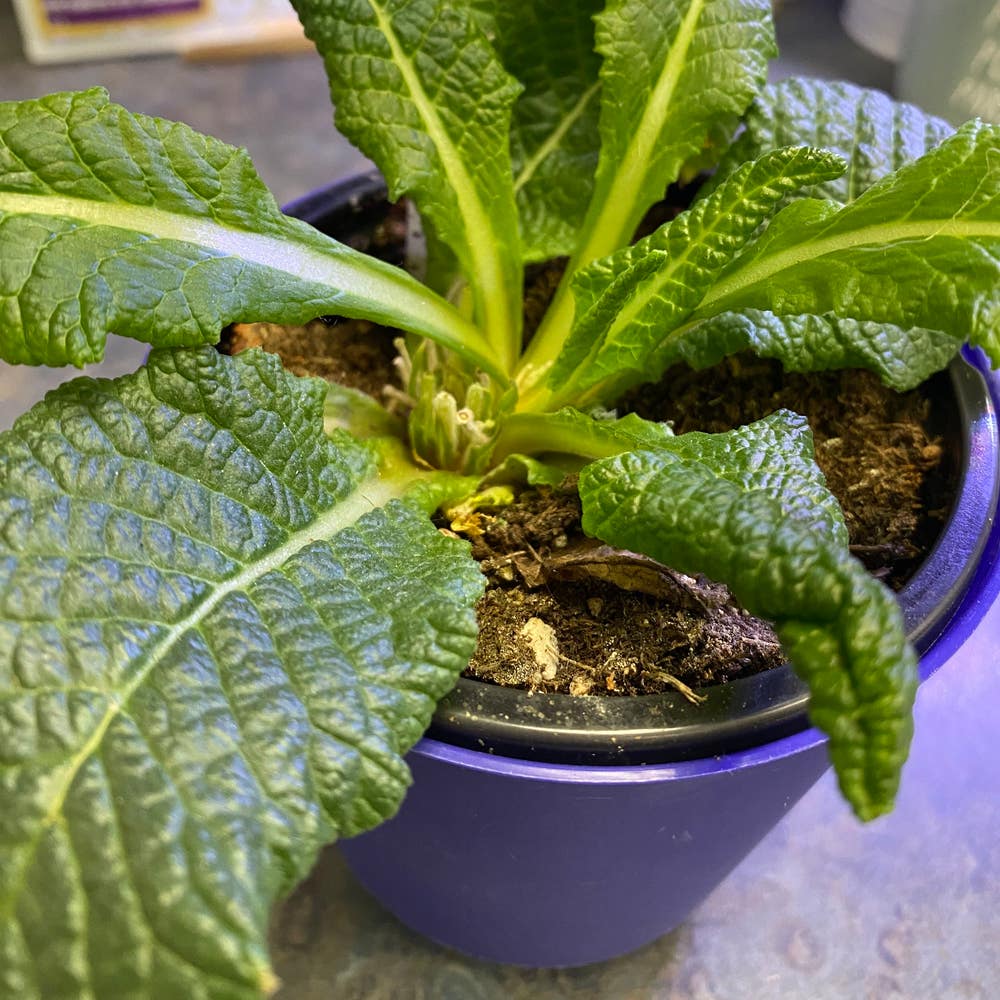
What to Do About Leaves Falling Over on Your Primrose 🍂
Primula spp.
By the Greg Editorial Team
Oct 18, 2024•5 min read
This article was created with the help of AI so we can cover more plants for you. May contain errors. See one? Report it here.
- 💧 Overwatering and underwatering both cause drooping leaves; check soil moisture regularly.
- 🌞 Primroses need 4-6 hours of indirect sunlight daily to thrive and prevent drooping.
- 🌿 Temperature and humidity fluctuations stress Primroses; maintain stable conditions for healthy growth.
Common Causes of Leaves Falling Over
💧 Overwatering
Overwatering is a common issue for Primrose plants. Symptoms include yellowing leaves, mushy stems, and a foul smell emanating from the soil.
To diagnose this problem, check for soggy soil and poor drainage. If your plant's roots are sitting in water, it's time to adjust your watering habits.
🚰 Underwatering
On the flip side, underwatering can also lead to drooping leaves. Look for signs like wilting leaves, dry soil, and crispy edges on the leaves.
A quick soil test can help you determine if your Primrose is thirsty. If the soil feels dry and compacted, it’s time to give your plant a drink.
☀️ Insufficient Light
Primroses thrive in partial shade, ideally receiving 4-6 hours of indirect sunlight daily. If your plant is stretching its stems or displaying pale leaves, it might not be getting enough light.
Consider relocating your Primrose to a brighter spot or adjusting its surroundings to improve light exposure.
🌡️ Environmental Factors
Temperature fluctuations can significantly impact your Primrose's health. Extreme heat or cold can cause stress, leading to drooping leaves.
Additionally, humidity levels play a crucial role. Maintaining moderate humidity helps keep your Primrose happy and thriving.
Understanding these common causes will empower you to take better care of your Primrose. With the right adjustments, you can help your plant regain its vigor and beauty.
Solutions for Drooping Leaves
🌊 Adjusting Watering Practices
Establishing a consistent watering schedule is crucial. Water your Primrose when the top inch of soil feels dry.
Use the finger test to check moisture levels. Simply insert your finger into the soil to gauge how wet or dry it is.
Avoid waterlogging by ensuring your pots have drainage holes. This prevents excess water from sitting at the bottom, which can lead to root rot.
🪴 Improving Soil Drainage
Using a well-draining potting mix is essential for healthy Primrose growth. Consider amending your soil with perlite to enhance drainage.
If you notice persistent issues, it might be time to repot your Primrose. Choose a pot that allows for better drainage to promote healthier roots.
☀️ Modifying Light Exposure
Relocating your Primrose can make a significant difference. Find a spot that receives adequate indirect sunlight for optimal growth.
Using sheer curtains can help filter harsh sunlight. This prevents leaf burn while still allowing your plant to thrive.
🐛 Treating Pests and Diseases
For pest control, consider organic methods like neem oil or insecticidal soap. These options are effective and less harmful to your plant.
Disease management involves removing infected leaves promptly. Improving air circulation around your Primrose can also help prevent future issues.
By implementing these solutions, you can help your Primrose regain its vitality. Next, let’s explore some preventative measures to keep your plant healthy year-round.
Preventative Measures
Best Practices for Primrose Care 🌼
Regular monitoring is key to keeping your Primrose healthy. Check the soil moisture and leaf health weekly to catch any issues early.
Fertilization is also crucial. Use a balanced fertilizer during the growing season to provide essential nutrients.
Seasonal Care Tips 🌱
In spring, it’s time to fertilize and ensure adequate watering. This sets your Primrose up for a vibrant growing season.
During summer, keep an eye out for pests and adjust your watering frequency as needed. Hot weather can dry out the soil quickly.
As fall approaches, prepare your Primrose for dormancy by reducing watering. This helps the plant conserve energy for the winter months.
Choosing the Right Location 📍
Placement matters! Look for areas with partial shade and protection from harsh winds to keep your Primrose thriving.
Avoid low spots in your garden. These can lead to water accumulation around the roots, which can be detrimental to your plant's health.
By following these preventative measures, you can ensure your Primrose remains vibrant and healthy throughout the seasons. Next, let’s explore some common misconceptions about leaf health.
Common Misconceptions
🌿 Myths about Leaf Health
One common myth is that drooping leaves always indicate overwatering. In reality, drooping can also stem from underwatering or insufficient light.
Understanding the root cause is crucial for effective care. Drooping leaves can signal a variety of issues, so don’t jump to conclusions.
🔍 Clarifying Care Requirements
Many gardeners misunderstand the light needs of Primrose plants. They thrive in indirect sunlight, making it essential to find the right balance.
Fertilization is another area filled with misconceptions. Knowing the correct frequency and type of fertilizer can significantly impact your plant's health.
By debunking these myths, you can provide better care for your Primrose and enjoy its vibrant blooms.
Next, let’s explore effective solutions for drooping leaves.
When to Seek Professional Help
Signs Indicating Need for Expert Advice 🌱
If your Primrose's leaves continue to droop despite your best care efforts, it may be time to consult a professional. Persistent leaf drooping can indicate underlying issues that simple adjustments won't resolve.
Severe pest infestations or disease outbreaks are also red flags. If you notice an alarming number of pests or signs of disease, seeking expert advice can save your plant.
Resources for Further Assistance 🛠️
Local gardening centers are invaluable resources for expert advice and plant diagnostics. They can provide tailored solutions based on your specific situation.
Online forums and communities are another great option. Here, you can share your experiences and learn from others who have faced similar challenges. Engaging with fellow plant enthusiasts can offer fresh insights and encouragement.
By knowing when to seek help, you can ensure your Primrose thrives and continues to bring beauty to your space. Next, let’s explore some common misconceptions about leaf health.
⚠️ Safety First
This content is for general information and may contain errors, omissions, or outdated details. It is not medical, veterinary advice, or an endorsement of therapeutic claims.
Always consult a qualified healthcare professional before using any plant as food, medicine, or supplement.
Never eat any plant (or feed one to pets) without confirming its identity with at least two trusted sources.
If you suspect poisoning, call Poison Control (800) 222-1222, the Pet Poison Helpline (800) 213-6680, or your local emergency service immediately.
Spotted an error? Please report it here.
Keep your Primrose perky and vibrant 🌱 by using Greg's tailored watering reminders and light tips to ensure it gets just what it needs for healthy growth!