🌼 Ultimate Guide to Primrose Flowers
Primula spp.
By the Greg Editorial Team
Aug 24, 2024•5 min read
This article was created with the help of AI so we can cover more plants for you. May contain errors. See one? Report it here.
- 🌈 Primrose flowers bloom in vibrant colors, enhancing garden beauty in early spring.
- 🐝 Pollination varies: some Primrose self-pollinate, while others rely on insects.
- 🌱 Proper care: well-draining soil and consistent moisture ensure healthy Primrose growth.
Flowering Status of Primrose
🌼 Do Primrose Flowers Produce Flowers?
Yes, Primrose flowers do bloom, and they bring a delightful splash of color to gardens and landscapes. These charming blooms come in a variety of shades, including vibrant yellows, soft pinks, rich purples, and pure whites.
The flowers are not just visually appealing; they also showcase unique forms. Typically, Primrose flowers are cup-shaped, featuring a central eye and often arranged in lovely clusters atop a flower spike. This structure not only enhances their beauty but also attracts pollinators, making them a favorite among garden enthusiasts.
In summary, Primrose flowers are a stunning addition to any floral display, offering both variety and charm. Their blooming nature is a testament to their resilience and adaptability in various environments.
As we explore further, let’s dive into the fascinating characteristics of these flowers, including their colors and structural details.
Flower Characteristics
Description of Flower Colors and Structure 🌈
Primrose flowers are a vibrant addition to any garden, showcasing a delightful palette of colors, including yellow, pink, purple, and white. Their cup-shaped blooms, often featuring a striking central eye, are typically arranged in clusters atop a flower spike, creating a visually stunning display.
Self-Pollination vs. External Pollination 🐝
Primrose plants have a fascinating reproductive strategy. While many can self-pollinate, some varieties rely on external pollination, often facilitated by insects.
The flower anatomy plays a crucial role in this process. The structure of the primrose allows for easy transfer of pollen, ensuring that these charming flowers can thrive in various conditions.
This adaptability not only enhances their survival but also contributes to the diversity of primrose species.
As we explore the blooming process next, you'll see how these characteristics influence their growth cycle.
Blooming Process
🌼 Outline of Blooming Stages
Primrose flowers undergo a fascinating blooming process that begins with bud formation. This initial stage marks the development of flower buds, setting the stage for the vibrant display to come.
As the buds mature, they transition into the opening phase. This stage involves a gradual unfurling, leading to the full bloom that showcases the flower's stunning colors and structure.
⏳ Typical Bloom Time and Duration from Bud to Full Bloom
Primrose typically blooms in early spring, bringing a burst of color to gardens after the winter chill. From the moment the buds form, it takes about 4-6 weeks for them to reach full bloom, offering a delightful anticipation for gardeners.
🌸 Lifespan of Flowers
Once in bloom, Primrose flowers usually last between 3-6 weeks, depending on environmental conditions. Factors like temperature and moisture can influence their longevity, making each bloom a special event in the garden.
The blooming process of Primrose is not just a visual treat; it’s a cycle of life that invites us to appreciate the beauty of nature. As we explore how to encourage these blooms, we’ll discover ways to enhance their growth and vibrancy.
Encouraging Blooms
Tips for Encouraging Primrose to Bloom 🌸
To get your Primrose flowers to bloom beautifully, start with optimal sunlight exposure. They thrive in full sun to partial shade, so find a spot that balances light and shade.
Next, consider the soil conditions. Primroses prefer well-draining, nutrient-rich soil that allows their roots to breathe and absorb essential nutrients.
Watering practices are crucial too. Keep the soil consistently moist but avoid waterlogging, as too much water can lead to root rot.
Factors Influencing Flowering 🌼
Temperature plays a significant role in blooming. Cooler spring temperatures are ideal for encouraging Primrose flowers to open up and showcase their vibrant colors.
Fertilization is another key factor. Using balanced fertilizers can enhance flower production, giving your Primrose the boost it needs to flourish.
By paying attention to these tips and factors, you can create an environment where your Primrose flowers thrive and bloom beautifully.
As you nurture your plants, you'll be rewarded with a stunning display of color and life, leading seamlessly into the next topic on what happens after the flowering period.
Post-Flowering
What Happens After the Flowering Period 🌼
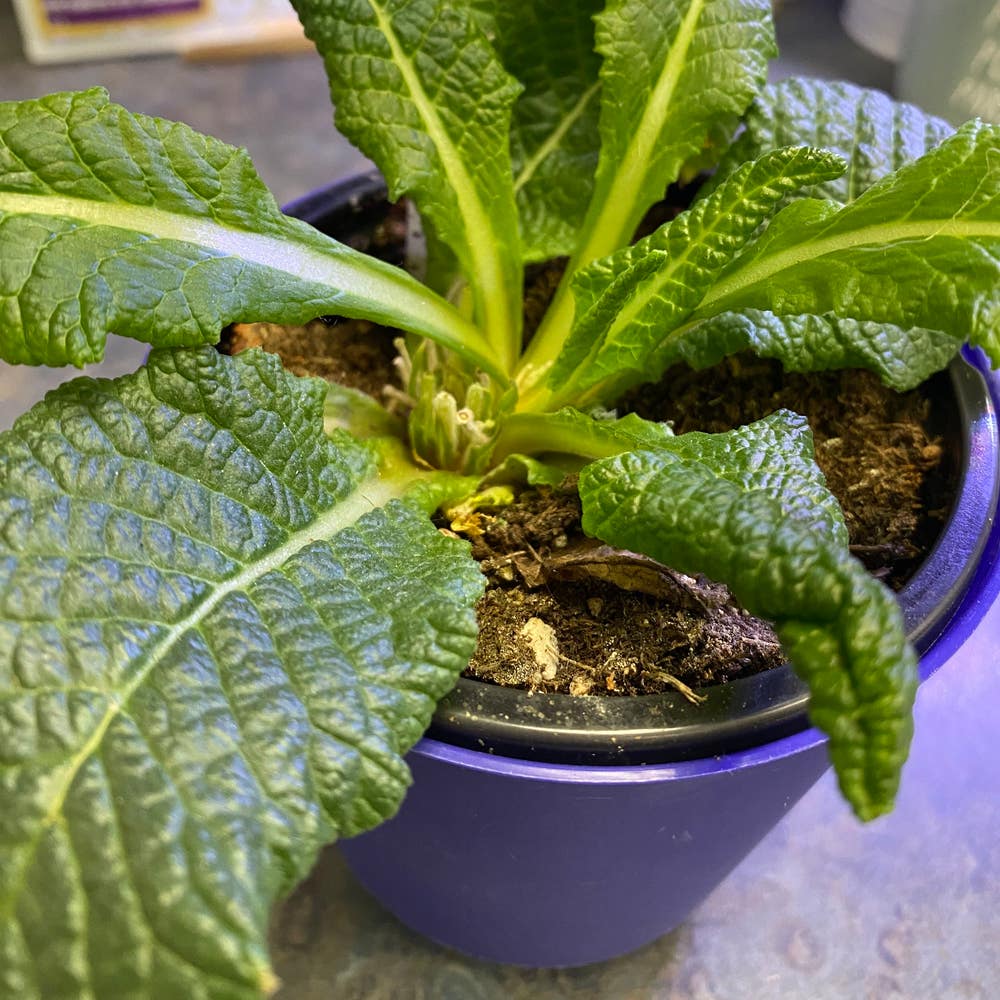
After primrose flowers fade, the foliage remains vibrant and green. This retention of leaves is crucial as it allows the plant to photosynthesize and gather energy for future growth.
Primrose can also reproduce vegetatively, meaning it can spread through its roots or leaves. This ability helps the plant thrive even when flowering is not occurring.
Discussion on Whether Primrose Dies After Flowering 🤔
It's a common misconception that primrose dies after it blooms. In reality, these resilient plants can continue to flourish and produce new growth long after their flowers have faded.
So, if you're worried about your primrose's fate post-bloom, rest assured—it’s just gearing up for its next cycle of life. This persistence makes primrose a delightful addition to any garden, offering beauty and longevity.
With this understanding of post-flowering life, let’s explore the unique aspects of primrose that make it even more fascinating.
Unique Aspects
🌸 Unusual Characteristics Related to Flowering or Non-Flowering
Primrose flowers aren't just about their blooms; some varieties are celebrated for their striking ornamental qualities. These plants often feature unique leaf patterns and colors that can add visual interest to any garden.
🤔 Trivia About Primrose's Reproductive Strategy
Did you know that Primrose can reproduce vegetatively? This means they can thrive even when flowers are absent, ensuring their survival in various conditions.
Another fascinating aspect is the "death bloom" phenomenon. In certain species, flowering may signal the end of the plant's life cycle, making it a poignant reminder of nature's cycles.
These unique traits make Primrose not only beautiful but also resilient, showcasing the wonders of plant adaptation. As we explore more about these flowers, let’s dive into the post-flowering phase and what happens next.
⚠️ Safety First
This content is for general information and may contain errors, omissions, or outdated details. It is not medical, veterinary advice, or an endorsement of therapeutic claims.
Always consult a qualified healthcare professional before using any plant as food, medicine, or supplement.
Never eat any plant (or feed one to pets) without confirming its identity with at least two trusted sources.
If you suspect poisoning, call Poison Control (800) 222-1222, the Pet Poison Helpline (800) 213-6680, or your local emergency service immediately.
Spotted an error? Please report it here.
Transform your garden with vibrant Primrose blooms 🌼 by using Greg's tailored care tips and watering reminders to keep them thriving all season long!